
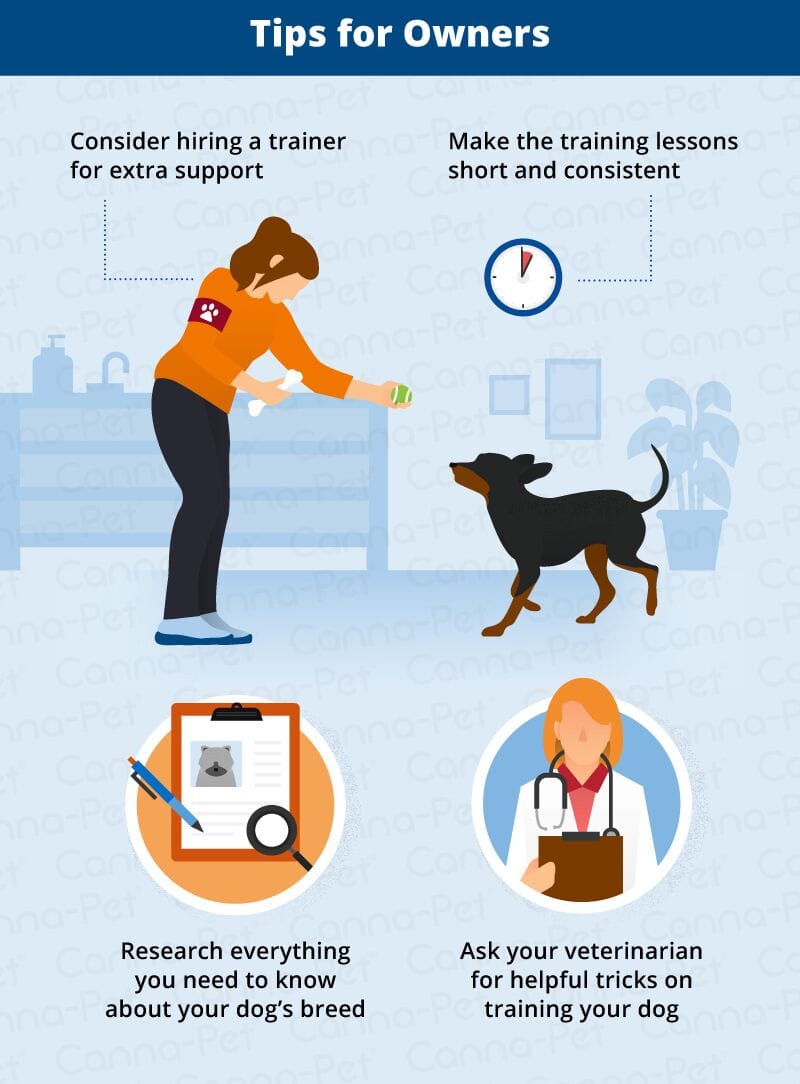
Bringing a new dog into your life is an incredibly rewarding experience, but it also comes with its unique set of challenges. From potty training to curbing unwanted behaviors, a well-trained dog is a happy dog, and a happy dog makes for a happy owner. While many turn to group classes, sometimes the most effective approach is to bring in a professional trainer directly to your home. Finding the right in-house dog trainer can make all the difference in shaping your canine companion’s behavior and strengthening your bond. This guide will walk you through everything you need to know to find a qualified and compatible trainer for your furry friend.
Why Choose an In-House Dog Trainer?
Group training classes are a popular option, but they aren’t always the best fit for every dog or owner. An in-house dog trainer, also known as a private or in-home trainer, offers a personalized approach that addresses specific needs and environments.
- Personalized Attention: A private trainer focuses solely on your dog’s unique temperament, learning style, and behavioral issues. They can tailor training methods to your dog’s specific needs, something that’s difficult to achieve in a group setting.
- Convenience: No need to travel to a training facility. The trainer comes to your home at a scheduled time, fitting seamlessly into your busy life. This also means training happens in your dog’s natural environment, where distractions and behavioral issues are most likely to occur.
- Addressing Specific Issues: Whether it’s separation anxiety dogs training, aggression, excessive barking, or leash reactivity, an in-house trainer can provide targeted strategies to overcome these specific challenges. They can observe your dog’s behavior in their home setting and provide immediate, actionable feedback.
- Family Involvement: The whole family can be involved in the training process, ensuring everyone is on the same page and applying consistent methods. This unified approach is crucial for a dog’s understanding and progress.
- Faster Results: For some issues, especially those deeply rooted in the home environment, personalized, in-home training can lead to quicker improvements compared to group classes.
What to Look for in an In-House Dog Trainer
When you’re inviting someone into your home to train your beloved pet, it’s essential to choose wisely. Here are key qualities and qualifications to consider:
Credentials and Certifications
While not always legally required, certifications from reputable organizations indicate a trainer has met certain standards of knowledge and practice. Look for certifications from:
- Certification Council for Professional Dog Trainers (CCPDT): Offers the CPDT-KA (Knowledge Assessed) and CPDT-KSA (Skills Assessed) credentials.
- Karen Pryor Academy (KPA): Known for its focus on positive reinforcement and clicker training.
- Victoria Stilwell Academy (VSA): Another respected program emphasizing positive, force-free methods.
- Association of Professional Dog Trainers (APDT): While not a certifying body, they offer resources and promote ethical training practices.
A trainer who actively pursues continuing education and stays updated on the latest scientific research in canine behavior is a strong indicator of their commitment and expertise.
Training Philosophy and Methods
This is perhaps the most critical factor. The in-house dog trainer you choose should align with your values and what you believe is best for your dog.
- Positive Reinforcement: This is the gold standard for ethical dog training. It involves rewarding desired behaviors with treats, praise, or play, making training a positive and enjoyable experience for both dog and owner. This method builds trust and strengthens the human-animal bond.
- Avoid Aversive Methods: Steer clear of trainers who rely on punishment, dominance theory, or fear-based techniques (e.g., choke chains, prong collars, shock collars used punitively, intimidation). These methods can lead to anxiety, aggression, and a breakdown of trust. If a trainer discusses “alpha rolls” or “pack leader” dominance, it’s a significant red flag. It is too late to train my dog with these methods.
“The most effective and humane way to train a dog is by understanding their communication and motivations, and rewarding the behaviors we want to see more of. Punishment creates fear, not understanding.” – Dr. Sarah Miller, Canine Behaviorist
Experience and Specialization
- General Obedience: Most trainers handle basic obedience (sit, stay, come, leash manners).
- Behavioral Issues: If you’re dealing with more complex problems like aggression, reactivity, or severe anxiety, seek a trainer with specific experience and potentially further qualifications (like a Certified Applied Animal Behaviorist – CAAB or a Veterinary Behaviorist – DACVB) in behavior modification.
- Puppy Training: A good puppy trainer will understand developmental stages and focus on socialization and foundational skills. Look for programs like a good dog puppy training program.
Professionalism and Communication
- Clear Communication: A good trainer explains their methods clearly, answers your questions patiently, and provides written plans or summaries.
- Professionalism: They are punctual, organized, and conduct themselves professionally. They should also be insured.
- References and Reviews: Check online reviews, ask for references from previous clients, and don’t hesitate to ask for consultations.
The Process of Working with an In-House Dog Trainer
Finding the right trainer is the first step. Here’s what you can typically expect when you engage their services:
Initial Consultation
Most trainers offer an initial consultation, either in person or via phone/video call. This is your opportunity to:
- Discuss your dog’s history, temperament, and specific training goals.
- Understand the trainer’s methods and philosophy.
- Ask about their experience with similar cases.
- Discuss pricing, package options, and scheduling.
- Assess if you feel comfortable and confident with the trainer.
Assessment and Training Plan
Once you hire a trainer, they will conduct a thorough assessment of your dog in your home environment. Based on this, they will develop a personalized training plan outlining:
- Specific behaviors to work on.
- Training techniques to be used.
- A realistic timeline and set of goals.
- Your role and responsibilities in the training process.
Training Sessions
Sessions typically last 1-2 hours. During a session, the trainer will:
- Demonstrate training techniques.
- Guide you and your family through practicing the methods with your dog.
- Provide feedback and adjustments as needed.
- Assign “homework” – exercises for you to practice between sessions.
Consistent practice is key. The trainer’s job is to teach you how to train your dog effectively. You are the one who will be working with your dog daily, so their ability to transfer skills to you is paramount.
Ongoing Support
A good in-house dog trainer doesn’t just disappear after the last session. They often provide:
- Follow-up support via email or phone.
- Recommendations for additional resources or classes if needed.
- Advice on how to handle setbacks or new challenges.
Common Challenges and How an In-House Trainer Can Help
Many dog owners struggle with similar issues. An experienced in-house dog trainer can provide invaluable guidance:
Leash Pulling and Reactivity
- Problem: Your dog pulls relentlessly on the leash, making walks unpleasant, or reacts aggressively (barking, lunging) towards other dogs or people.
- Trainer’s Approach: They’ll assess why the pulling or reactivity is happening (excitement, fear, frustration) and teach you techniques like loose-leash walking exercises, desensitization, and counter-conditioning. Learning how to train an aggressive dog requires patience and professional guidance.
House Training Accidents
- Problem: Your puppy or newly adopted adult dog is having accidents indoors.
- Trainer’s Approach: They can help establish a consistent potty schedule, identify potential medical or anxiety-related causes, and teach you effective management and cleaning strategies.
Destructive Chewing or Barking
- Problem: Your dog chews furniture when left alone or barks excessively at perceived threats or out of boredom.
- Trainer’s Approach: They’ll investigate the root cause – boredom, lack of exercise, anxiety, or attention-seeking – and develop a plan that might include increased physical and mental stimulation, management strategies, and specific training protocols.
Fear and Anxiety
- Problem: Your dog is fearful of strangers, loud noises, or specific objects, or suffers from separation anxiety.
- Trainer’s Approach: This requires a sensitive approach. Trainers use carefully controlled exposure (desensitization) and positive associations (counter-conditioning) to help dogs overcome fears. For separation anxiety dogs training, specialized protocols are essential.
Questions to Ask Potential Trainers
Here are some questions to ask before hiring an in-house dog trainer:
- What are your qualifications and certifications?
- What is your training philosophy and methodology? Can you explain your approach to [mention a specific behavior you’re struggling with, e.g., leash pulling]?
- What methods do you use for dogs who exhibit [mention a challenging behavior, e.g., fear-based aggression]?
- Do you use positive reinforcement techniques? Are you opposed to using punishment-based tools like prong collars or shock collars?
- What is your experience with [your dog’s breed or specific issues]?
- What does a typical training session involve? How long are the sessions?
- What results can I expect, and over what timeframe?
- What is your pricing structure? Do you offer packages? What is included (e.g., follow-up support)?
- Can you provide references from past clients?
- What is your policy on cancellations or rescheduling?
Conclusion: Investing in a Well-Behaved Companion
Hiring an in-house dog trainer is an investment in your dog’s well-being and your peace of mind. By carefully researching, asking the right questions, and choosing a trainer who aligns with your values and your dog’s needs, you can unlock your dog’s full potential. Remember, consistency, patience, and positive reinforcement are the cornerstones of successful dog training. With the right professional guidance, you can build a stronger relationship with your dog and enjoy many happy years together, free from behavioral struggles.
