
Intestinal parasites, commonly known as worms, are a frequent health concern for dogs. While often not visible to the naked eye in a dog’s stool, these parasites can cause significant illness and, in some cases, pose a risk to human health. If you suspect your dog may have worms or observe them in their feces, seeking veterinary attention is crucial. Bringing a fresh stool sample or even a visible worm can aid your veterinarian in diagnosing the issue and formulating an effective treatment plan.
What Are Worms in Dogs?
Worms in dogs refer to the presence of parasites, primarily residing within the canine’s digestive system, also known as the gastrointestinal tract (GIT). This tract includes the esophagus, stomach, and intestines, where most worm species establish themselves, reproduce, and multiply. In the United States, roundworms and hookworms are the most prevalent types encountered. Worm infestations are particularly common in puppies and dogs that frequently interact with other canines in environments like dog parks, grooming salons, boarding facilities, or daycare centers. Although some dogs may exhibit minimal or no symptoms, worms can lead to severe health complications and can even be life-threatening.
Types of Worms in Dogs
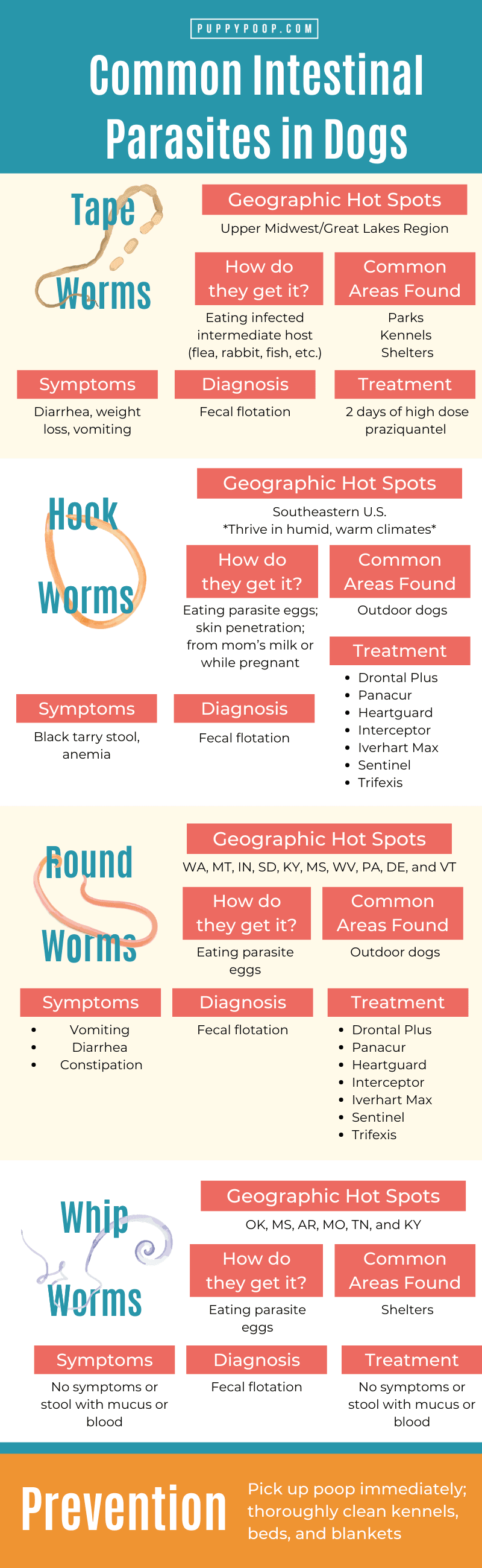
While various types of worms can affect dogs, the most common include:
How Do Dogs Contract Worms?
Dogs can acquire worms through several transmission routes:
- Transplacental Infections: Puppies can become infected before birth, with certain worms, such as roundworms, passing from the mother dog to the fetus through the placenta.
- Transmammary Infections: This occurs when newborn puppies ingest infected milk from their mother. Hookworms are frequently transmitted to puppies through colostrum, the first milk produced by the mother.
- Transdermal Infections: Some parasites, like hookworms, can penetrate the dog’s skin from contaminated soil, leading to infection.
- Fecal-Oral Transmission: This is the most common route, where dogs ingest parasite eggs or larvae from contaminated feces. Whipworms, hookworms, and roundworms are frequently spread this way.
- Contact with Infected Soil: Dogs can ingest worm eggs or larvae by coming into contact with soil contaminated with feces.
- Ingestion of Infected Prey: Eating wild game, small mammals, or fleas that carry tapeworm larvae can lead to tapeworm infections.
- Mosquito Bites: Heartworm disease is transmitted to dogs through the bites of infected mosquitoes.
Identifying Worms in Your Dog
Visible worms in your dog’s feces are often the most apparent sign of an infestation. However, worms may also be found in vomit, around the rectal area, or on the dog’s fur.
Other common symptoms indicating your dog might have worms include:
- Diarrhea
- Unexplained weight loss
- Muscle wasting, particularly noticeable in puppies
- Blood in the stool, which can appear as fresh red blood or dark, digested blood
- General weakness
- Vomiting
- Changes in appetite
- Lethargy or lack of energy
- Inflammation or swelling around the rectum and anus
- Worms visible around the rectal area
- Scooting their hindquarters along the ground
- Stunted growth rates in puppies
- A pot-bellied appearance or swollen abdomen
- Coughing
- Symptoms resembling pneumonia
- Anemia
- Reduced tolerance for exercise
- Intestinal blockages, a serious complication
When to Consult Your Veterinarian
If you observe worms in your dog’s stool, suspect exposure to parasites, or notice any of the aforementioned symptoms, it is essential to schedule an examination with your veterinarian promptly. Identifying a specific worm by bringing it to the vet’s office can significantly aid in developing an accurate treatment plan. Dog pills for fleas, ticks, and heartworms can help prevent various parasitic infections.
While most worm infections are not immediate emergencies, prompt treatment is vital to prevent the development of more severe health issues or potential fatalities. Your veterinarian will likely diagnose intestinal worms by examining a fecal sample for microscopic eggs. Heartworm infections are typically diagnosed through blood tests, chest X-rays, or an ultrasound of the heart.
Preventing Worms in Dogs
Preventing worm infestations in dogs can be achieved through various methods. Many commercially available flea and tick prevention products also offer protection against heartworm disease and common intestinal worms, although the specific types of worms covered vary by product. For comprehensive protection, consider options that offer broad parasite coverage. Heartworm and flea and tick in one preventative medications are highly effective.
Additionally, specific deworming medications are available. Products like Heartgard Plus are designed to prevent heartworm disease while treating and controlling hookworms and roundworms. Interceptor Plus offers prevention against heartworm disease and treats and controls adult hookworm, roundworm, whipworm, and tapeworm infections.
Maintaining good hygiene is also crucial, especially in environments frequented by multiple pets. Regularly washing your dog’s paws with a pet-safe shampoo after visits to dog parks or boarding facilities, or using pet wipes, can help reduce the risk of parasite transmission. Some medicated shampoos, like DermAllay, can also contribute to skin health and parasite prevention. Regular cleaning of your pet’s living environment and prompt removal of feces can also minimize exposure.
References
What Every Pet Owner Should Know About Roundworms & Hookworms. US Centers for Disease Control and Prevention. 2003.
