
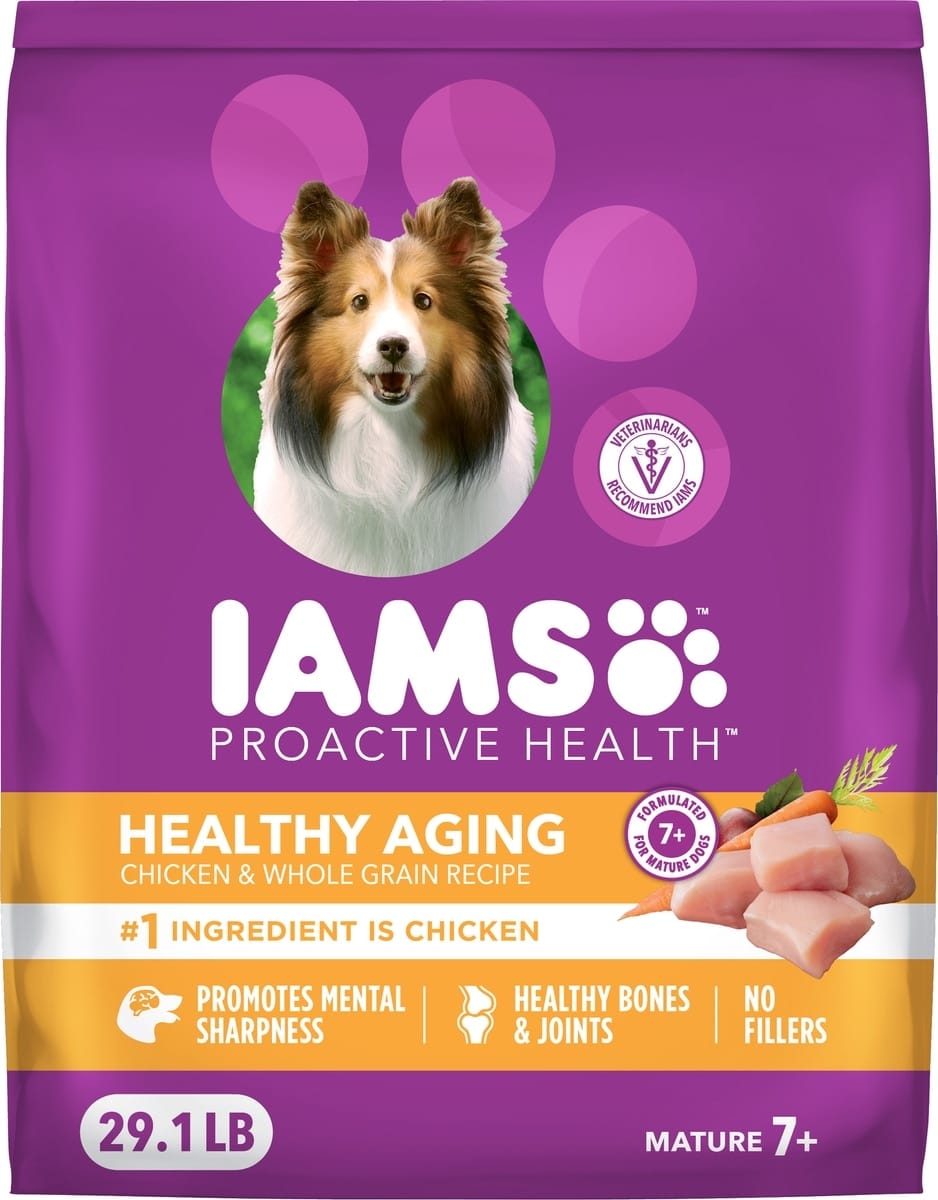
When selecting the optimal nutrition for your canine companion, a thorough examination of ingredient quality and safety is paramount. IAMS, a prominent name in the pet food industry, warrants a closer inspection to ascertain its suitability as a high-quality, safe, and nourishing dietary option. This review delves into IAMS’ dry and canned dog food formulations, scrutinizing their components and overall nutritional value.
Evaluating IAMS Dry Dog Food
A detailed analysis of IAMS dry dog food reveals several significant concerns regarding the quality and safety of its ingredients. These issues are critical for pet owners to consider:
| Concern | Description |
|---|---|
| High Carbohydrate Content | IAMS dry dog food averages 49.5% carbohydrates. This excessive level can contribute to health issues such as gut dysbiosis, obesity, and metabolic imbalances like insulin resistance. |
| Excessive Added Vitamins & Minerals | The high levels of added vitamins and minerals suggest that the primary ingredients may be of lower nutritional quality or have undergone extensive processing, leading to nutrient depletion. Nutrients should ideally be derived from whole food sources. |
| Inclusion of Added Amino Acids | The necessity for added amino acids often indicates that the food contains insufficient amounts of high-quality animal protein, potentially relying more heavily on less digestible plant-based proteins. |
| Unnamed Animal Ingredients | The presence of unspecified animal ingredients is a red flag. These can often be low-quality rendered by-products, lacking clear traceability and nutritional consistency. |
Furthermore, the highly processed nature of IAMS dry dog food can lead to a significant loss of essential nutrients during manufacturing. The inclusion of ingredients like sorghum and barley, which can carry high pesticide and herbicide residues, along with genetically modified organisms (GMOs) such as corn, are also points of concern. The use of artificial flavors, colors, and dyes introduces additives that have been linked to various adverse health effects in dogs.
Examining IAMS Canned Dog Food
While IAMS canned dog food presents a slightly better profile than its dry counterpart, it still resides within a high-risk category for pet nutrition. Key concerns include:
| Concern | Description |
|---|---|
| Moderately High Carbohydrate Content | Averaging 23% carbohydrates, IAMS canned dog food is considered high in carbohydrates for a wet food. This can still contribute to health problems over time. |
| Excessive Added Vitamins & Minerals | Similar to the dry formulations, the canned varieties exhibit excessive added vitamins and minerals, pointing towards the use of lower-quality base ingredients. |
| Added Amino Acids & Plant Proteins | The presence of added amino acids and plant proteins suggests a reduced quantity of high-quality animal protein in the diet. |
| Unnamed Animal Ingredients | IAMS canned dog food utilizes unnamed animal ingredients, such as fish oil and meat by-products, which are often of lower quality and nutritional value. |
Additionally, the high processing levels in IAMS canned dog food can diminish its nutritional integrity. Ingredients like barley and wheat may contain significant pesticide and herbicide residues, while rice can be a source of arsenic contamination. The inclusion of natural flavors, carrageenan, synthetic preservatives, and artificial colors and dyes raises further concerns due to their potential negative health impacts.
Additional Evaluation Factors for IAMS Dog Food
Beyond the core ingredient quality and safety issues, several other factors warrant consideration when evaluating IAMS dog food:
- Ingredient Splitting: Some IAMS recipes employ ingredient splitting tactics. This practice can artificially lower the ranking of certain ingredients on the ingredient list, making them appear less significant than they are.
- “Glam” Ingredients: The inclusion of fruits or vegetables in trace amounts, which offer negligible nutritional benefits, can be seen as a marketing ploy rather than a substantive dietary enhancement.
- Lack of Transparency: IAMS provides insufficient information regarding the sourcing of its fish ingredients (e.g., distinguishing between farmed and wild-caught) and does not disclose the crucial omega-6 to omega-3 fatty acid ratio.
- Recall History: A review of IAMS’ past reveals a history of product recalls attributed to various safety and quality concerns, which can impact consumer trust.
Our comprehensive dog food evaluation methodology prioritizes the identification of low-quality ingredients, excessive carbohydrate levels, the use of unnamed proteins, superfluous added vitamins and minerals, processed seed oils, genetically modified organisms (GMOs), pesticide residues, artificial flavors, and ingredients like rice, which can be a source of arsenic.
Conclusion on IAMS Dog Food
Based on an exhaustive review of both the dry and canned varieties, IAMS dog food is not recommended as an optimal choice for your pet. The consistently high carbohydrate content, excessive fortification with added vitamins and minerals, reliance on unnamed animal ingredients, and the presence of potentially harmful additives collectively position IAMS as a high-risk dog food option. Pet owners seeking the best for their companions should consider alternatives that prioritize whole, identifiable ingredients and a balanced nutritional profile.
