
The world of dog ownership is an intricate dance between companionship, utility, and personal comfort. For many, particularly those who love outdoor pursuits such as hunting, the ideal canine companion must not only excel in the field but also coexist harmoniously in a home environment. Enter hypoallergenic hunting dogs that don’t shed. This specialized category provides a unique solution for individuals with allergies who still want to engage fully in their passion for the hunt. These breeds bring forth a harmonious blend of functionality and cleanliness, allowing hunters to partake in thrilling adventures without compromising their health or comfort.
Through careful breeding, certain dog breeds have emerged as the frontrunners for allergy sufferers seeking hunting partners. Their coats—often characterized by curly or wiry textures—reduce shedding and dander, two major culprits behind allergic reactions. Imagine embarking on a week-long hunting trip without the burden of sneezing fits or itchy eyes, all while enjoying the loyal companionship of a dog that respects your space.
The available hypoallergenic hunting breeds can accommodate various temperaments and abilities, ensuring that hunters find a perfect match for their lifestyle. In this comprehensive exploration, we will delve into the characteristics, benefits, and insights into choosing hypoallergenic hunting dogs that don’t shed, providing a well-rounded understanding of this fascinating intersection of canine companionship and outdoor adventure.
The Unique Characteristics of Hypoallergenic Hunting Breeds
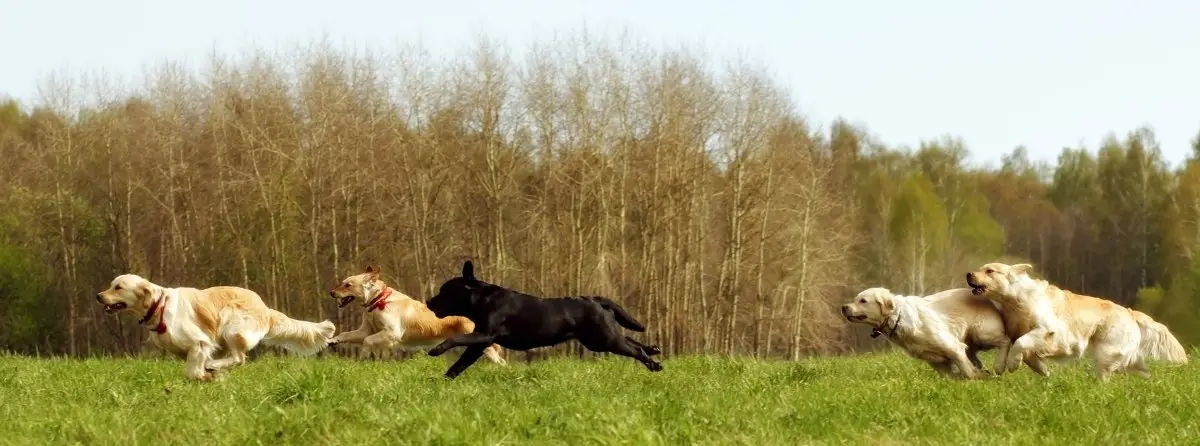
When it comes to hypoallergenic hunting dogs, understanding what sets these breeds apart involves exploring their distinctive coat types, temperament, and overall suitability for hunting tasks.
The Science Behind Hypoallergenic Coats

The defining characteristic of hypoallergenic dogs lies in their coat structure. Unlike traditional breeds that tend to shed hair and produce more dander, hypoallergenic breeds possess tighter coat follicles.
This unique feature minimizes hair loss, as loose fur remains trapped within the coat rather than scattering around the home and outdoors. Curly or wiry coats are common among these breeds, which also helps trap dander close to the skin, further reducing allergens in the environment.
As a result, hypoallergenic hunting dogs like the Wirehaired Pointing Griffon or Standard Poodle not only fulfill their roles as versatile hunting companions but also provide a cleaner living environment for their owners.
Temperament and Adaptability

Hypoallergenic breeds often exhibit traits that make them particularly suitable for hunting. Many of these breeds are known for their intelligence, loyalty, and strong work ethic.
For instance, the Lagotto Romagnolo is both a capable water retriever and an affectionate family companion. Its adaptability in the field and gentle nature allow it to thrive in various hunting scenarios while maintaining a bond with its owner.
Moreover, hypoallergenic breeds tend to be eager to please, making training sessions enjoyable and productive. Their ability to learn quickly ensures they can master essential commands needed for hunting without the stress of excessive grooming or shedding.
Versatility in the Field
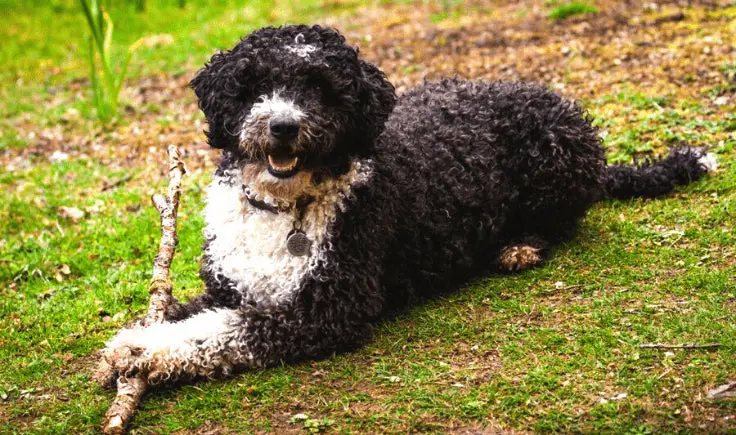
Many hypoallergenic breeds exhibit remarkable versatility, thriving in a variety of environments and conditions. For example, the Spanish Water Dog is not only an excellent swimmer but also excels in tracking and retrieving, making it a valuable asset during hunting excursions.
These breeds can tackle diverse terrains, whether it’s rugged hills, dense forests, or wetlands. Their keen sense of smell and instinctive hunting abilities enable them to adapt effectively to different challenges, enhancing a hunter’s experience in the great outdoors.
The Benefits of Choosing Hypoallergenic Hunting Dogs
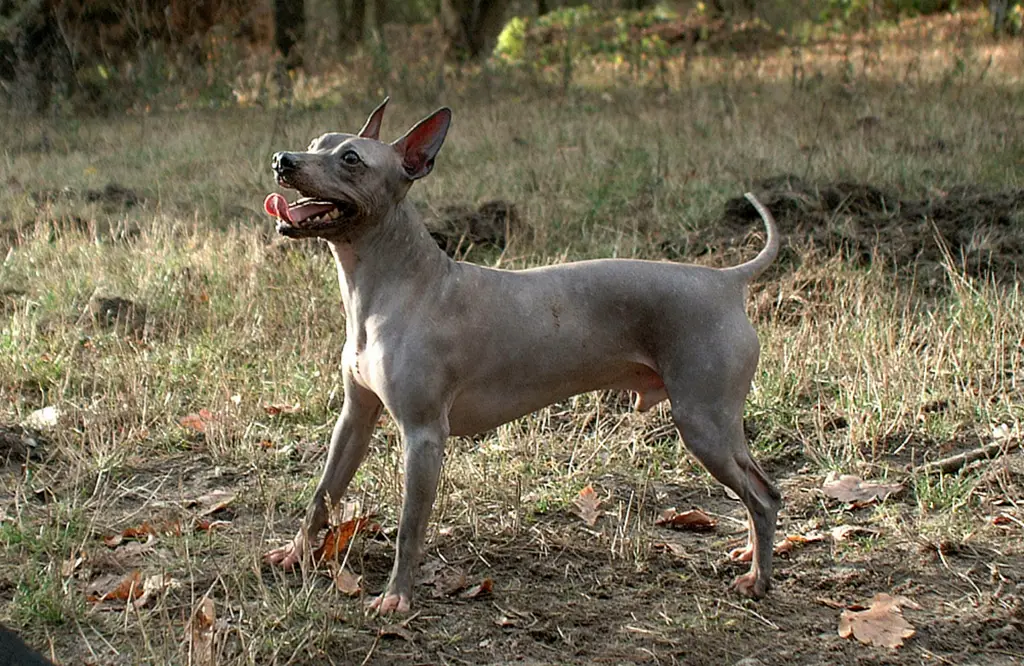
Opting for hypoallergenic hunting dogs goes beyond merely addressing allergic concerns. There are numerous advantages associated with selecting these breeds that enhance the hunting experience and overall dog ownership.
Reduced Grooming Needs
One of the most noticeable benefits of hypoallergenic breeds is the reduced need for grooming. Traditional breeds often require regular brushing to manage shedding and prevent mats from forming in their fur.
In contrast, hypoallergenic breeds typically have coats that require less maintenance due to minimal shedding. This translates to fewer hair deposits on furniture, clothing, and gear, thereby simplifying household chores.
For busy hunters, this means more time spent outdoors pursuing their passions rather than cleaning up after their canine companions. Additionally, reduced grooming needs may lead to lower expenses when it comes to professional grooming services, allowing owners to invest more in hunting gear or outdoor adventures.
Cleaner Living Environments
Living with a hypoallergenic hunting dog contributes to maintaining a cleaner home environment. Since these breeds shed minimally, pet hair becomes less of an issue, making it easier for individuals with allergies to enjoy their surroundings without constant irritation.
Furthermore, hypoallergenic breeds typically generate less dander, which can trigger allergic reactions. This factor encourages families to invite their furry companions into shared spaces without hesitation—whether it’s cuddling on the couch after a long day outdoors or joining family members during mealtime.
A cleaner home also fosters an atmosphere where guests feel welcome, regardless of their own sensitivities to pet allergens. This aspect of dog ownership promotes inclusivity, allowing everyone to connect more deeply with both the canine companion and their human friends.
Enhanced Bonding Opportunities
Choosing a hypoallergenic hunting dog cultivates opportunities for deeper bonding experiences between the dog and owner. Because these breeds are often intelligent and eager to please, training sessions become rewarding interactions that strengthen the relationship.
Imagine sharing a moment in the field where your dog successfully retrieves game, showcasing not just its hunting prowess but also the connection built through trust and teamwork. These shared adventures foster a profound bond that transcends typical owner-pet dynamics.
Moreover, hypoallergenic breeds can seamlessly integrate into family life, creating lasting memories during both hunting trips and everyday moments. This multifaceted relationship enriches the lives of both the dog and its owner, enhancing the joy of companionship throughout every season.
Exploring Diverse Breeds and Their Abilities

While the hypoallergenic hunting dog landscape is rich with choices, each breed brings its own set of unique traits. Understanding these variations allows hunters to select the best companion for their specific needs and preferences.
The Wirehaired Pointing Griffon
The Wirehaired Pointing Griffon is a prime example of a hypoallergenic hunting dog that excels in versatility. Known for its tenacity and eagerness, this breed thrives in various environments, making it a reliable partner for hunters seeking a canine companion that can keep pace in the field.
With its distinctive wiry coat, the Wirehaired Pointing Griffon sheds minimally, making it an excellent choice for those prone to allergies. This breed’s keen sense of smell and natural retrieving instincts ensure effective tracking and retrieval of game, whether on land or in water.
Moreover, the Wirehaired Pointing Griffon has an affectionate and playful disposition, making it an ideal family dog. Its loyalty and intelligence foster a deep bond with its owner, whether they’re navigating challenging hunting scenarios or simply relaxing at home.
The Portuguese Water Dog
Another exceptional option in the realm of hypoallergenic hunting dogs is the Portuguese Water Dog. Renowned for its agility and versatility, this breed has been historically utilized by fishermen to retrieve nets and catch fish from the sea.
The Portuguese Water Dog’s coat resembles that of the Poodle, being curly and water-resistant, thus minimizing shedding and dander. With its boundless energy and enthusiasm for water activities, this breed excels in hunting scenarios involving waterfowl or aquatic game.
Beyond its hunting capabilities, the Portuguese Water Dog is known for being highly trainable and sociable. It forms tight-knit bonds with families, participating in various activities both in and out of the water. Whether fetching ducks or playing fetch in the yard, this breed exuberantly enhances shared experiences between owners and their pets.
The Rhodesian Ridgeback
Though primarily recognized for its impressive hunting skills, the Rhodesian Ridgeback is another entry into the category of hypoallergenic breeds. This resilient dog possesses a low-shedding coat that makes it suitable for owners who may struggle with allergies.
Originally bred to hunt lions in Africa, the Rhodesian Ridgeback boasts strength, endurance, and keen instincts. Its athleticism and adaptability to varied terrains render it an ideal choice for dedicated outdoorspeople.
Despite its fierce reputation, the Ridgeback is known for its loyalty and protective instincts toward its family. This duality as a formidable hunting partner and loving pet makes it a compelling choice for those seeking a supportive canine companion.
Community Insights and Shared Experiences
Platforms such as Reddit serve as vibrant hubs for discussions surrounding hypoallergenic hunting dogs. Engaging with fellow hunters and dog enthusiasts presents valuable insights into the practicalities of owning these breeds, revealing how they successfully integrate into hunting lifestyles.
Personal Stories and Testimonials
Within online communities, countless stories illustrate the joys and challenges of hunting alongside hypoallergenic breeds. Owners often share heartwarming anecdotes about successful hunts accompanied by their loyal companions, emphasizing how the right dog can enhance the experience.
Some users recount memorable outings where dogs demonstrated immense skill and resourcefulness in the field, retrieving game that showcased their training and bond with their owners. These narratives highlight the significance of finding a dog that aligns with personal values while still fulfilling a practical role during hunts.
Tips and Advice from Experienced Owners
Many seasoned hunters generously offer tips on selecting and training hypoallergenic breeds, sharing their experiences to help others navigate the journey of dog ownership.
Discussions frequently revolve around training techniques, socialization strategies, and the importance of positive reinforcement. From teaching basic commands to more complex hunting behaviors, advice from experienced owners can illuminate the path for newcomers venturing into the world of hypoallergenic hunting dogs.
Additionally, conversations often touch upon the importance of compatibility between the dog’s temperament and the owner’s lifestyle. This insight underscores that the relationship between hunter and dog is built on mutual understanding and respect, paving the way for successful partnerships in the field.
The Evolution of Dog Ownership Perspectives
Engagement in these community forums reveals a broader shift in attitudes toward dog ownership, particularly regarding individual needs. As awareness of allergies and sensitivities rises, conversations continue to evolve, reflecting the changing landscape of responsible pet ownership.
This acknowledgment goes beyond merely selecting a hypoallergenic breed; it symbolizes a growing understanding that each dog’s role can encompass multiple facets—companionship, assistance in hobbies, and integration into family life. Such discussions foster a sense of community among dog owners navigating similar challenges, emphasizing the value of empathy and support.
Conclusion
.jpg/220px-Basenji_Profile_(loosercrop).jpg)
Navigating the world of dog ownership entails striking a balance between personal needs and companionship, especially for avid hunters with allergies. The exploration of hypoallergenic hunting dogs that don’t shed unveils an array of breeds that excel both in the field and within the home. From the Wirehaired Pointing Griffon to the Portuguese Water Dog and the Rhodesian Ridgeback, these breeds offer versatility, adaptability, and loyalty, enriching the hunting experience while accommodating allergy concerns.
As we uncover the unique characteristics and benefits associated with hypoallergenic breeds, it becomes evident that fostering deep bonds with our canine companions enhances our lives. Through shared experiences, community insights, and evolving perspectives on dog ownership, we witness the transformative power of these remarkable animals. Ultimately, choosing hypoallergenic hunting dogs symbolizes a conscious lifestyle choice that harmonizes passion for sport with the pursuit of a clean and healthy living environment. The journey into the world of hypoallergenic hunting breeds is not merely about finding a hunting partner; it reflects a commitment to nurturing relationships that elevate our enjoyment of both nature and companionship.
