
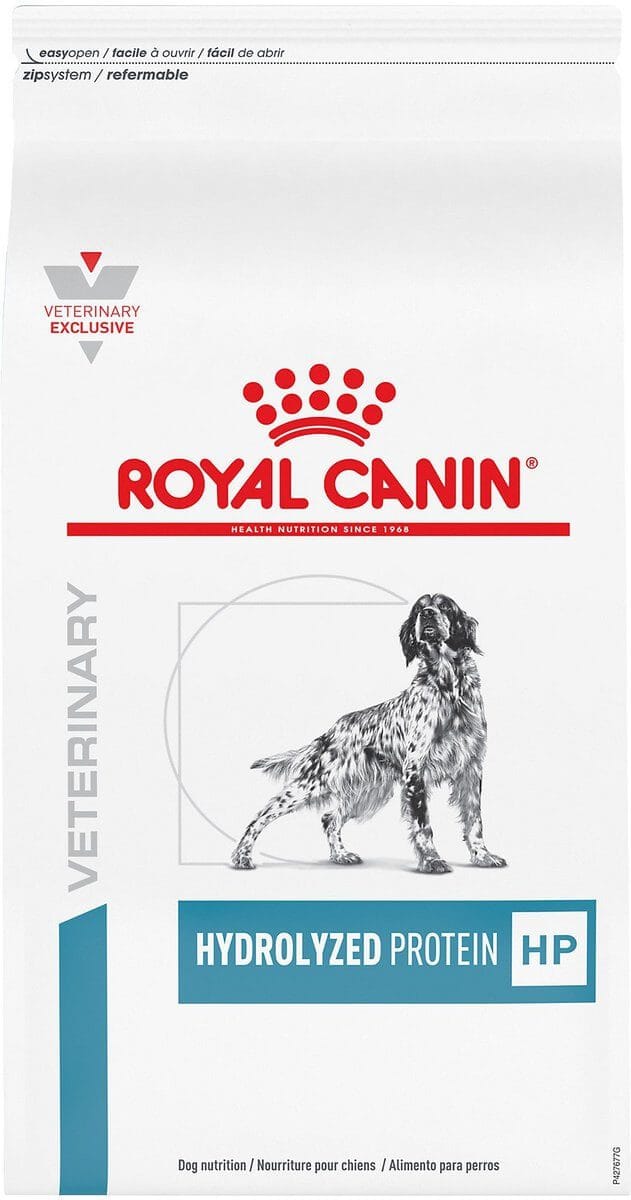
When your veterinarian recommends a prescription diet for your dog, the term “hydrolyzed protein” might sound complex. This specialized type of dog food plays a crucial role in managing various health conditions, particularly food allergies and inflammatory bowel disease (IBD). Understanding what hydrolyzed protein is and how it works can empower you to make informed decisions about your dog’s health and nutrition. Veterinary prescription dog food is designed to address specific health concerns when standard diets are insufficient.
What Exactly Is Hydrolyzed Protein Dog Food?
Hydrolyzed protein dog food is created through a process called hydrolysis. In this water-based chemical treatment, proteins are broken down into extremely small fragments. The primary benefit of this process is that these minuscule protein pieces become virtually “invisible” to a dog’s immune system. Normally, a dog’s body processes proteins from food, breaking them down into amino acids to build essential components like muscles, hormones, and antibodies. However, in some dogs, the immune system can mistakenly identify normal dietary proteins as harmful invaders, triggering an adverse reaction. Hydrolysis ensures the protein is so finely broken down that the immune system no longer recognizes it as a threat.
Why Your Dog Might Need a Hydrolyzed Protein Diet
Veterinarians most commonly prescribe hydrolyzed protein dog foods to manage two primary conditions: food allergies and inflammatory bowel disease (IBD).
Addressing Dog Food Allergies
A dog’s gastrointestinal tract acts as a protective barrier, allowing beneficial nutrients to pass while preventing harmful substances and microorganisms from entering. However, sometimes this system can become confused. Food allergies in dogs develop when the gut mistakenly identifies harmless dietary proteins as potential health risks, leading to an unnecessary immune response.
The symptoms of food allergies in dogs can manifest in various ways, often including:
- Itchiness: This can be widespread or localized to specific areas like the feet, ears, or face.
- Hair loss: Patches of thinning or complete loss of fur.
- Skin lesions: Sores, scabs, or irritations on the skin.
- Recurrent skin or ear infections: Frequent infections that may be difficult to clear.
Digestive issues, such as vomiting, diarrhea, and excessive gas, may also accompany these symptoms, though they are not always present. Food allergy symptoms often emerge when dogs are young, typically before one year of age, but they can appear at any life stage. While allergies can develop suddenly even after years of eating the same food, certain breeds are genetically predisposed.
Diagnosing food allergies usually involves a food trial, lasting at least two months. During this period, the dog must consume only a hydrolyzed protein diet or a novel single-protein source they’ve never eaten before. If the dog’s symptoms significantly improve and then return upon reintroduction of their old food, a food allergy diagnosis is likely.
Managing Inflammatory Bowel Disease (IBD)
The distinction between food allergies and IBD can sometimes be unclear, as they can be interconnected. It is believed that in some instances, food allergies might develop as a consequence of IBD, or vice versa.
Regardless of the precise relationship, IBD involves abnormal inflammation within a dog’s gastrointestinal tract. This inflammation can vary in location, severity, and its progression over time, explaining why dogs with IBD can exhibit a range of symptoms with differing intensities. Common signs of IBD include:
- Vomiting
- Diarrhea
- Unexplained weight loss
- Changes in appetite (increased or decreased)
- Lethargy or unusual tiredness
- Audible gut sounds
- Increased gas production
IBD can affect dogs at any age, though it is more commonly diagnosed in middle-aged to older dogs. Certain breeds, such as Boxers and German Shepherds, may have a higher genetic predisposition. A definitive diagnosis of IBD can only be confirmed through a biopsy of the affected gastrointestinal tissues.
Recommendations for Hydrolyzed Protein Dog Foods
The cornerstone of treatment for both food allergies and IBD is identifying and maintaining a diet that does not provoke symptoms. In severe cases of IBD, immunosuppressive medications or other therapies may also be required. Once a diagnosis is established, dogs often need to adhere to a specialized diet for the remainder of their lives.
Veterinary prescription hydrolyzed protein dog foods are highly effective options for managing both food allergies and IBD. These diets are manufactured under stringent quality control protocols to prevent cross-contamination with ingredients not listed on the label. Consuming trigger foods is a common reason for the failure of diagnostic food trials and treatment plans for these conditions.
Leading Hydrolyzed Protein Dog Food Brands
Several reputable brands offer hydrolyzed protein diets formulated to meet the specific needs of dogs with allergies or IBD. These include:
- Hill’s Prescription Diet: Offers hydrolyzed protein options that often include high levels of essential fatty acids to support skin health.
- Royal Canin Veterinary Diets: Provides various hydrolyzed protein formulas designed for specific sensitivities and health goals.
- Purina Pro Plan Veterinary Diets: Features hydrolyzed protein options formulated to manage dietary intolerances and gastrointestinal issues.
Your veterinarian is the best resource to help you select the most appropriate hydrolyzed protein dog food for your dog. They can ensure the chosen diet effectively controls symptoms while providing complete and balanced nutrition for overall good health. Consistent dietary management is key to long-term well-being for dogs with these conditions.
