
Finding a hunting dog that doesn’t shed hair can feel like searching for the holy grail of canine companions for both outdoor enthusiasts and aspiring pet owners. This quest intertwines the necessity for an agile, capable hunter with the desire for a hypoallergenic pet—an often elusive combination in the dog world. Shedding is a natural process for many breeds, driven by their environmental adaptations and coat types. However, certain breeds excel at minimizing this aspect, allowing them to serve effectively in the field while remaining home-friendly. Breeds like the Pudelpointer, Wirehaired Pointing Griffon, and German Wirehaired Pointer are consistently celebrated as exceptional choices for those seeking non-shedding hunters.
Understanding the Unique Traits of Non-Shedding Hunting Dogs
While many dog breeds naturally shed due to their coats, hunting dogs that don’t shed hair possess specific traits that make them unique in both functionality and companionship. Understanding these unique qualities can significantly enhance your appreciation and selection process for your ideal canine partner.
Coat Structure and Its Implications
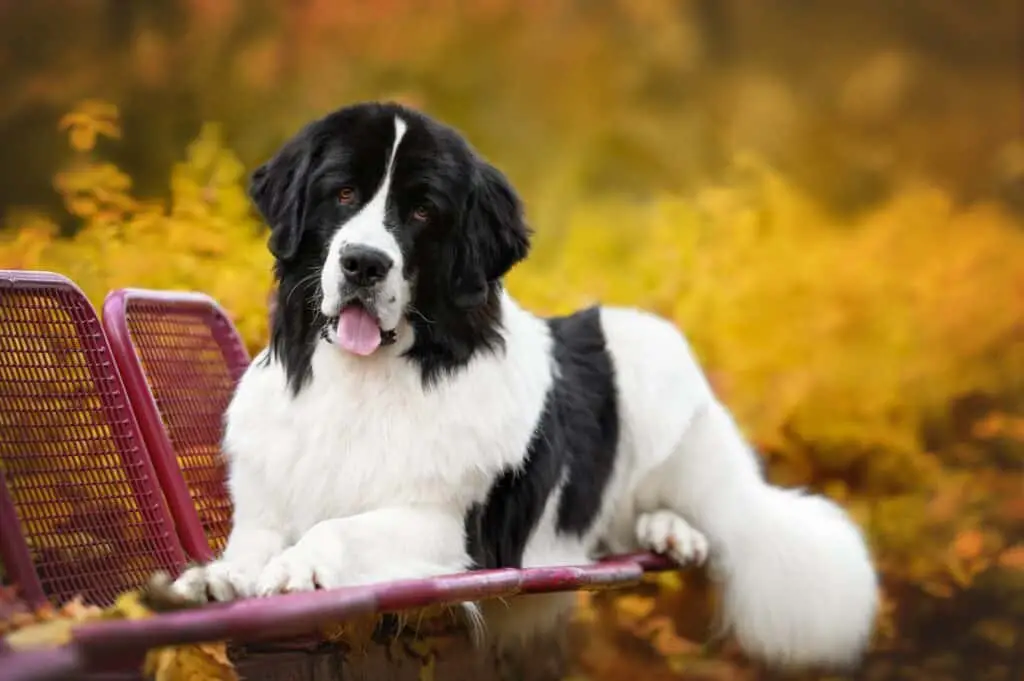
The coat structure of a dog plays a pivotal role in its tendency to shed.
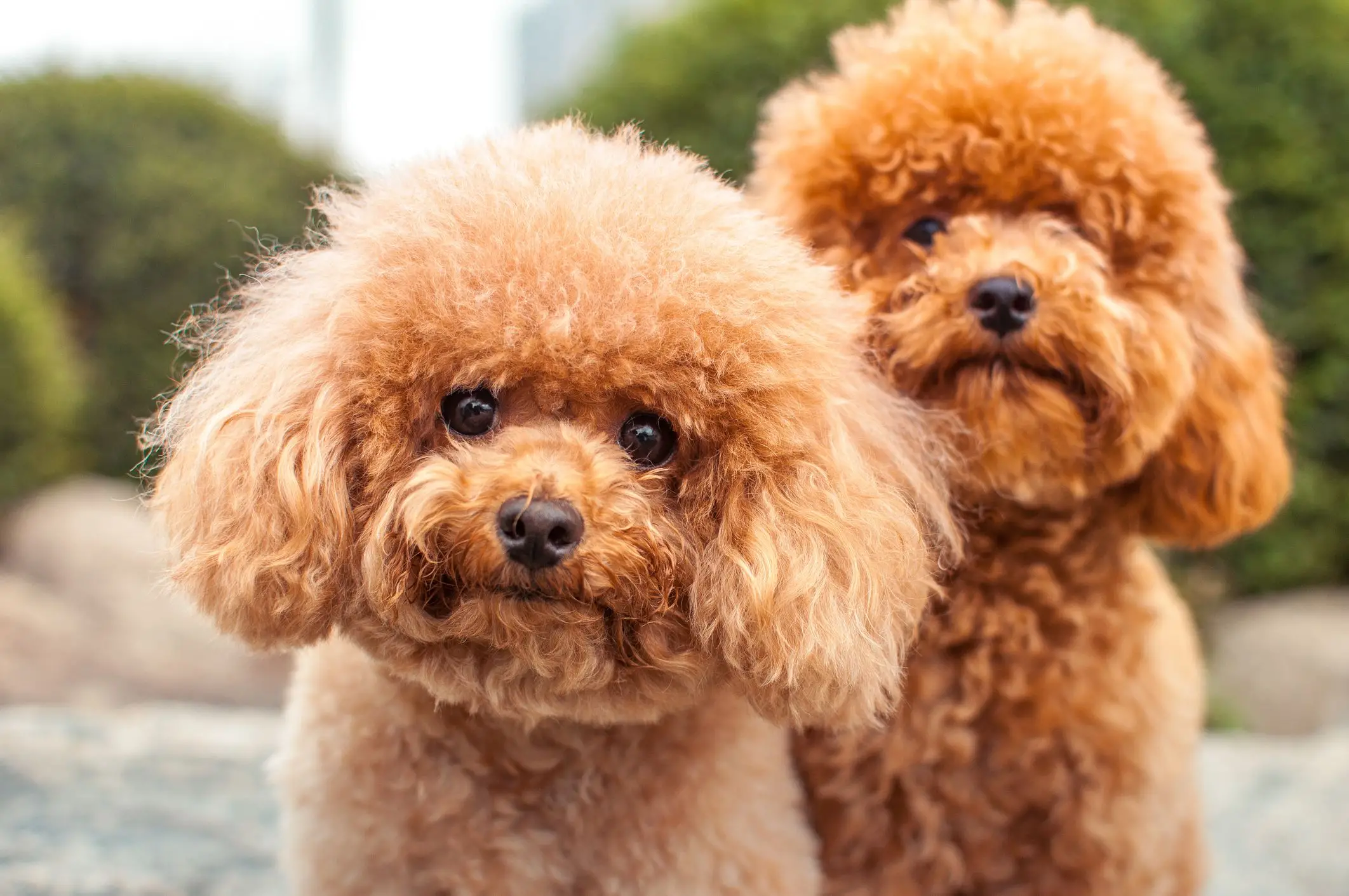
Non-shedding breeds typically have hair that is more akin to human hair rather than fur. For instance, the Poodle, which is one of the most recognized non-shedding breeds, has a curly coat that traps loose hair within its curls. This structural characteristic minimizes shedding and makes it easier to manage allergens for families sensitive to pet dander.
Moreover, these hairs grow continuously and require regular grooming, turning maintenance into a bonding experience between the owner and the dog. Grooming becomes a ritual that can strengthen the emotional connection. When you brush your dog, you’re not just removing dead hair; you’re also checking for any skin issues or parasites that might affect your dog’s health. This routine can foster deeper communication and trust, enhancing the owner-pet relationship.
Temperament and Behavior

In addition to coat structure, the temperament of non-shedding hunting dogs is often balanced, making them excellent family companions.
These breeds often exhibit high levels of intelligence and adaptability, which contribute to their effectiveness in the hunting field. For example, the Airedale Terrier, known as the king of terriers, excels in various hunting activities, from retrieving to tracking. Their versatility allows them to adapt to multiple environments and tasks, making them suitable for families who enjoy outdoor adventures.
Furthermore, their gentle nature means they can coexist seamlessly with children and other pets. This duality of being a capable hunter while also serving as a loving family companion is what draws many potential dog owners to consider non-shedding breeds. The emotional support these dogs provide enhances the overall dynamic of a household, particularly for families that engage in outdoor sports and activities together.
Health Considerations
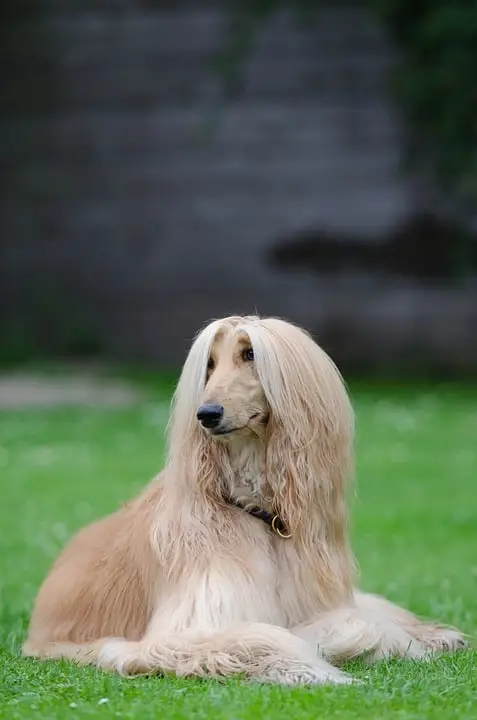
Choosing a non-shedding breed can also lead to improved health outcomes for both the dog and its family.
Allergies to dog hair and dander are common concerns for many individuals. By selecting a non-shedding breed, owners can mitigate these allergy triggers, allowing for a more comfortable living environment. The unique hair structure of these breeds creates fewer airborne allergens, making them suitable for people with sensitivities or asthma.
Additionally, the rigorous grooming routine associated with non-shedding breeds promotes better skin and coat health. Regular brushing encourages blood circulation, resulting in healthier skin and a shiny coat. This preventive approach to grooming ensures that minor issues are caught early before they escalate into significant problems. Thus, selecting a non-shedding hunting dog can lead to long-term health benefits, emphasizing the importance of proper care and maintenance.
Popular Non-Shedding Hunting Breeds
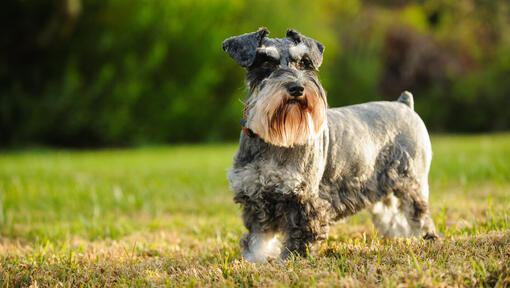
When considering a non-shedding hunting dog, certain breeds stand out due to their proven capabilities and compatibility with family life. These breeds combine performance with minimal shedding, making them attractive choices for prospective owners.
Pudelpointer
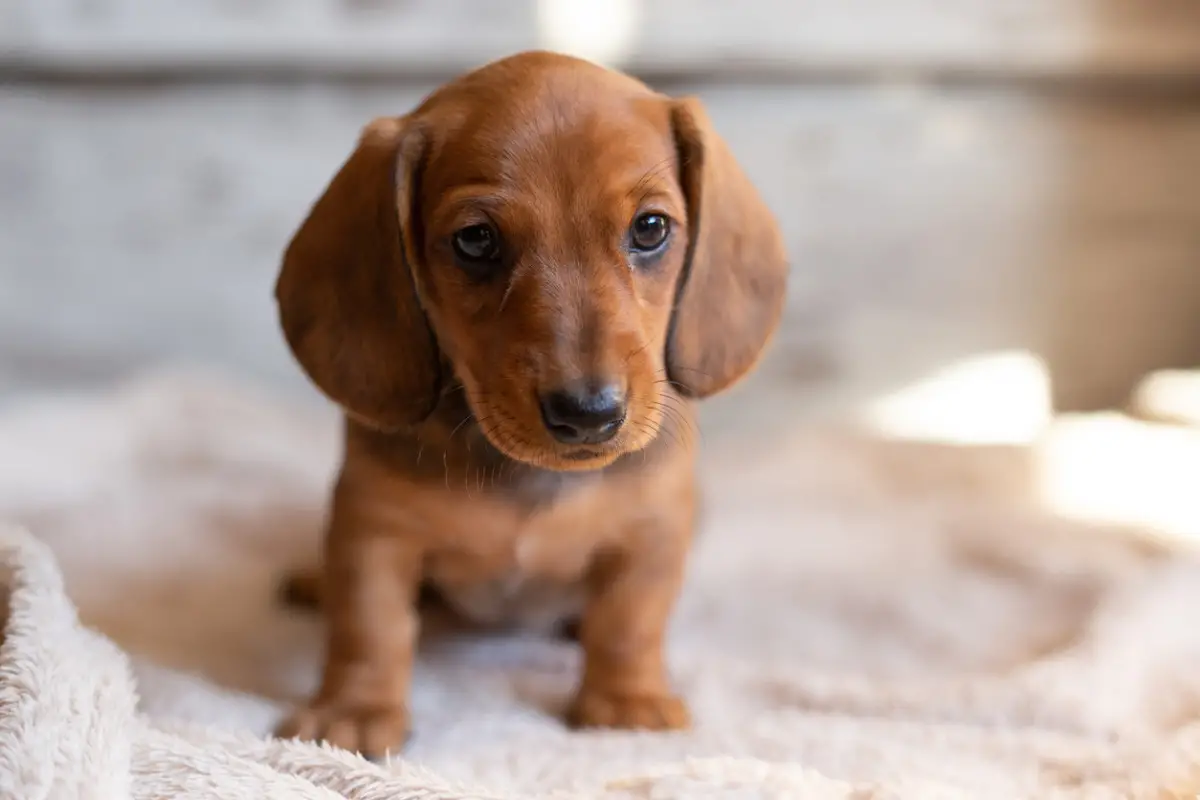
The Pudelpointer is a versatile hunting dog developed in Germany through the crossbreeding of the Poodle and various pointers.
This breed showcases an impressive ability to work both on land and in water, making it a favorite among hunters. The Pudelpointer boasts a soft, dense coat that repels water while also minimizing shedding. This feature is particularly advantageous for waterfowl hunters, as it allows the dog to stay warm and dry while retrieving birds from chilly waters.
Additionally, Pudelpointers are known for their intelligence and eagerness to please, making training a relatively straightforward task. Their enthusiasm for learning new commands and skills translates to improved performance in the field. Owners often report a strong bond with their Pudelpointers, as these dogs thrive on interaction and shared activities. Their adaptable nature makes them suitable for various hunting styles, and they excel in different terrains and conditions.
Wirehaired Pointing Griffon
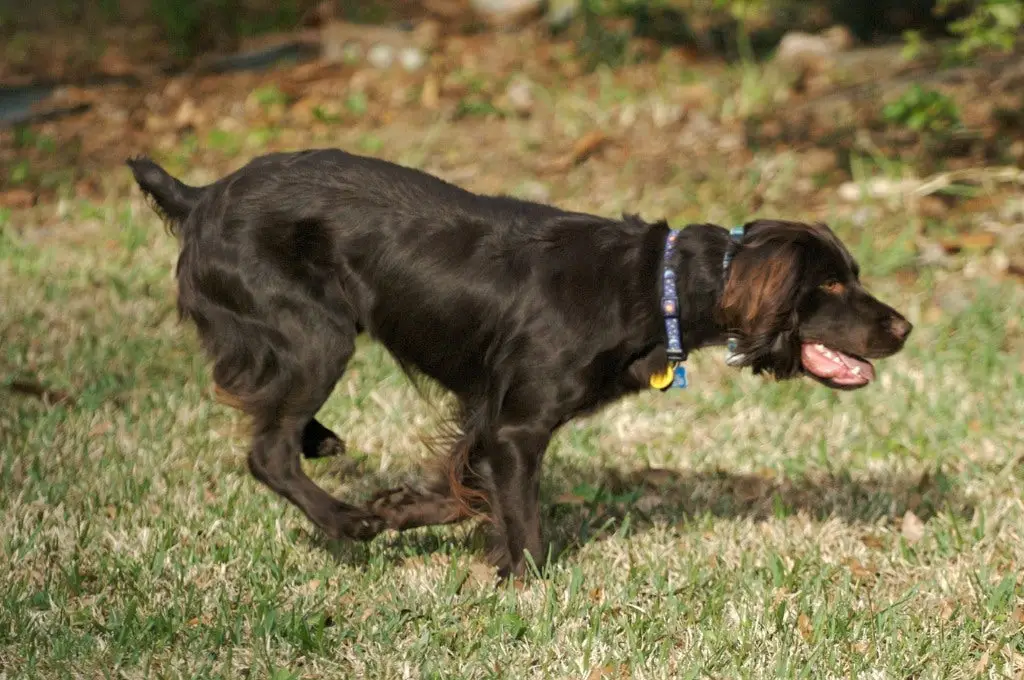
Another remarkable contender is the Wirehaired Pointing Griffon, known for its rugged appearance and exceptional hunting abilities.
This breed possesses a harsh, wiry coat that helps protect them from thorny underbrush and rough terrains. Much like the Pudelpointer, the Wirehaired Pointing Griffon is an all-purpose hunting dog skilled in both upland game and waterfowl retrieval.
The breed’s intelligence and affectionate demeanor further cement its place as a beloved companion. Wirehaired Pointing Griffons often form strong attachments to their families, making them not just hunting partners but cherished members of the household. Their keen sense of smell and steadfast work ethic ensure they are always up for a challenge, whether in the field or at home.
German Wirehaired Pointer
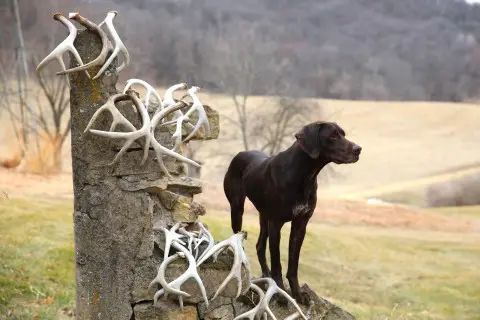
Finally, the German Wirehaired Pointer deserves mention for its distinct qualities that set it apart as a noteworthy non-shedding hunting dog.
This breed is renowned for its versatility and proficiency in various hunting scenarios, including tracking, pointing, and retrieving. The German Wirehaired Pointer has a coarse, weather-resistant coat that sheds minimally, providing protection against the elements while requiring less clean-up at home.
Their energetic and passionate nature pairs beautifully with their intelligence, creating a dog that excels in training and responsiveness. They’re eager to learn and ready to tackle new challenges alongside their owners. Families find that these dogs are not only capable hunters but also loving companions, enjoying active lifestyles filled with outdoor adventures.
The Role of Hybrid Breeds in Non-Shedding Hunting Dogs
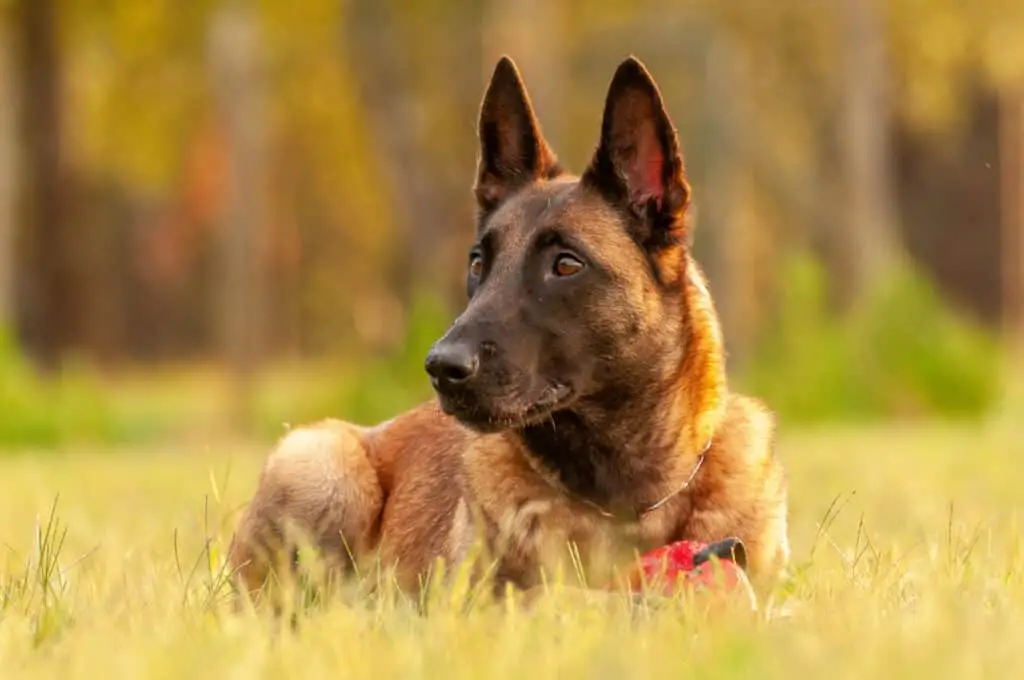
With the rise of hybrid breeds, the landscape of non-shedding hunting dogs has expanded exponentially, opening doors for various possibilities.
Bernedoodles
One notable hybrid is the Bernedoodle, a mix of the Bernese Mountain Dog and the Poodle.
While primarily bred for companionship, Bernedoodles can also display strong hunting instincts, making them valuable assets in localized hunts. Their size varies depending on whether they inherit the standard or miniature Poodle genes; however, their low-shedding coat remains consistent across generations.
Beyond their practicality in hunting scenarios, Bernedoodles are incredibly sociable, adapting well to family life. They are highly intelligent and trainable, combining their Poodle heritage’s sharpness with the affectionate nature of the Bernese Mountain Dog. Families often rave about the joy these dogs bring into their lives, showcasing how smaller breeds can contribute effectively to hunting endeavors.
Labradoodles
Another hybrid candidate worth mentioning is the Labradoodle, a combination of the Labrador Retriever and the Poodle.
While traditionally seen as a companion dog, Labradoodles can also excel in hunting situations, particularly when trained correctly. Their energy and intelligence make them wonderful candidates for a variety of dog sports, including agility and obedience.
What sets Labradoodles apart is their hypoallergenic quality, appealing to families with allergies. The blend of the Lab’s friendly disposition and the Poodle’s smart and curly coat offers a unique combination of charm and utility. Moreover, Labradoodles tend to bond closely with their families, thriving on social interactions, which creates a warm and nurturing atmosphere both in the field and at home.
Exploring New Hunting Techniques with Hybrid Breeds
As the demand for non-shedding hunting dogs grows, the market for hybrids may expand, leading to innovative breeding practices.
Breeders can focus on traits conducive to both hunting capability and hypoallergenic qualities, paving the way for exciting new options. The exploration of hybridization can inspire fresh training techniques that incorporate traditional hunting methods tailored to the unique abilities of non-shedding breeds. As specialized trainers emerge, the hunting community could see a shift toward a more inclusive environment accommodating a broader range of breeds.
By embracing hybrid breeds, hunters can engage in ethical discussions regarding conservation and responsible breeding. The dynamics of hunting may evolve to reflect societal changes prioritizing environmental sustainability and animal welfare. Ultimately, the fusion of diverse breeds can foster creativity and adaptability in hunting strategies while bringing attention to pressing issues in the canine world.
Impact of Choosing Non-Shedding Hunting Dogs on Lifestyle
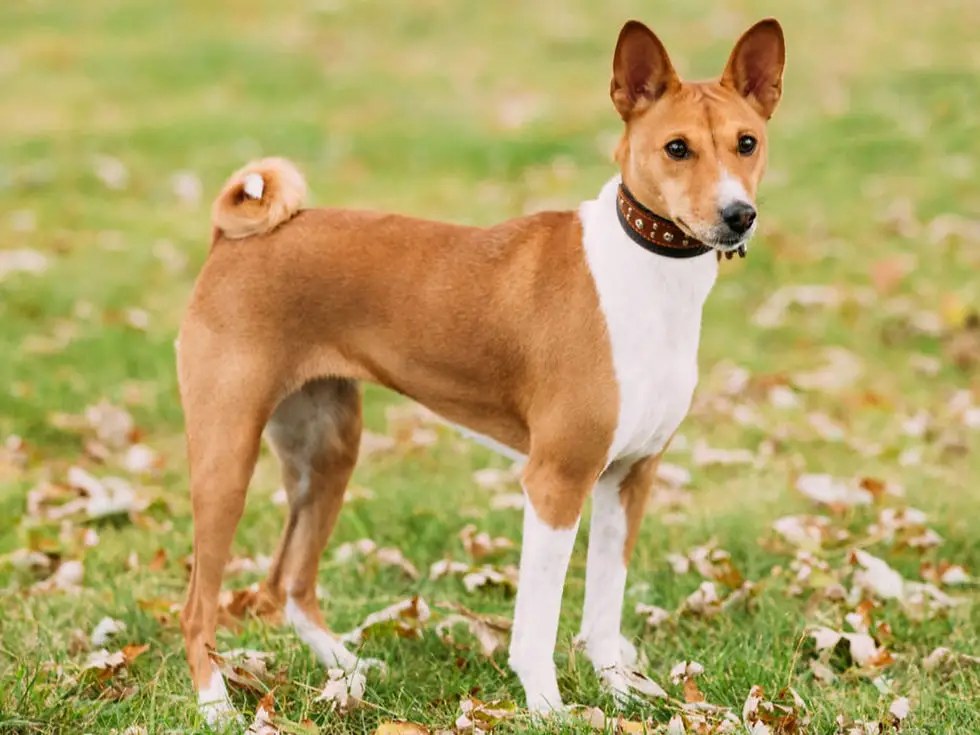
Selecting a non-shedding hunting dog goes beyond mere aesthetics and convenience—it can have profound implications on your lifestyle.
Building Stronger Family Bonds
Engaging in outdoor sports with your dog fosters stronger family bonds.
Non-shedding breeds allow allergy-sensitive family members to participate actively without the worry of excessive dander or cleaning chores. Imagine weekends spent hiking trails, exploring new landscapes, and participating in thrilling hunts—all while sharing laughter, stories, and experiences around a campfire or during quiet moments at home.
Families often express that their non-shedding dogs become integral to their daily lives, providing companionship and emotional support. These shared adventures create lasting memories that transcend hunting seasons and connect family members in profound ways. Each outing strengthens the relationships between family and dog, leading to a harmonious household filled with love and joy.
Supporting a Healthy Active Lifestyle
Moreover, owning a non-shedding hunting dog encourages a healthy, active lifestyle for everyone involved.
With their energy levels and need for exercise, owners often find themselves more motivated to engage in physical activity. Whether it’s training sessions, hiking expeditions, or simply playing outside, the presence of a furry companion can inspire individuals to lead healthier lives.
Notably, these dogs often require structured routines, including daily exercise and mental stimulation. This structured lifestyle can help owners develop their fitness regimens and promote overall well-being. As families engage in shared activities with their dogs, they can cultivate healthier habits, encouraging positive change in their everyday lives.
Embracing Community and Connection
Choosing non-shedding hunting dogs can also facilitate community connections among like-minded individuals.
Joining hunting clubs or participating in local events centered around non-shedding breeds can open doors for networking and social opportunities. Engaging in discussions about training techniques, best practices, and shared experiences fosters a sense of camaraderie among fellow owners, enriching the overall experience of dog ownership.
As these communities grow, they can collaborate on initiatives promoting responsible ownership and awareness about the advantages of choosing non-shedding breeds. A network of passionate individuals can empower others to explore the joys of dog ownership, creating a supportive environment that nurtures both dogs and owners alike.
Conclusion
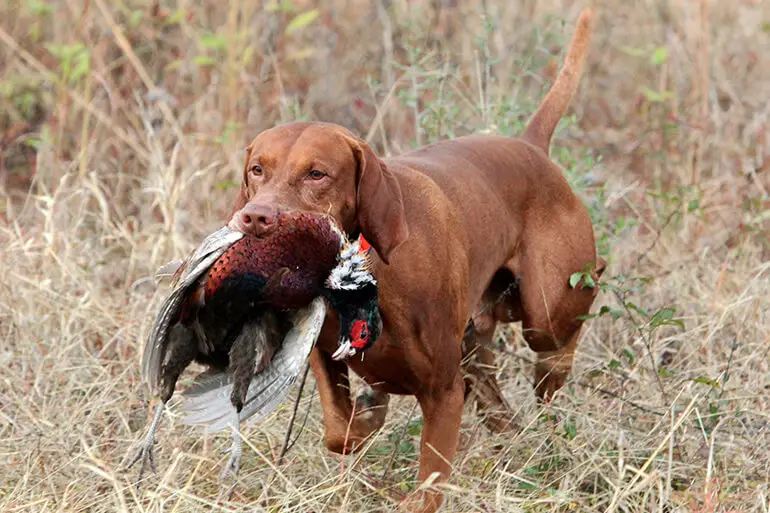
The journey to finding the perfect hunting companion is undoubtedly complex, especially when seeking a dog that doesn’t shed hair. However, numerous breeds exist that offer the ideal blend of hunting prowess and hypoallergenic qualities, ultimately enriching the lives of their owners.
From the outstanding capabilities of the Pudelpointer and the versatility of the Wirehaired Pointing Griffon to the devotion of hybrid breeds like the Bernedoodle and Labradoodle, non-shedding hunting dogs provide an opportunity for families to build stronger connections, embrace healthy lifestyles, and actively participate in outdoor pursuits.
As the demand for these breeds continues to rise, the landscape of dog ownership will likely evolve, fostering innovation in breeding practices and training approaches. By understanding the unique traits and characteristics of non-shedding hunting dogs, individuals can make informed decisions that align with their desires for companionship, adventure, and fulfilling bonds. In the end, each hunting adventure becomes more than a pursuit of game; it’s an intricate narrative woven with shared experiences, unconditional love, and mutual respect between humans and their extraordinary canine partners.
