
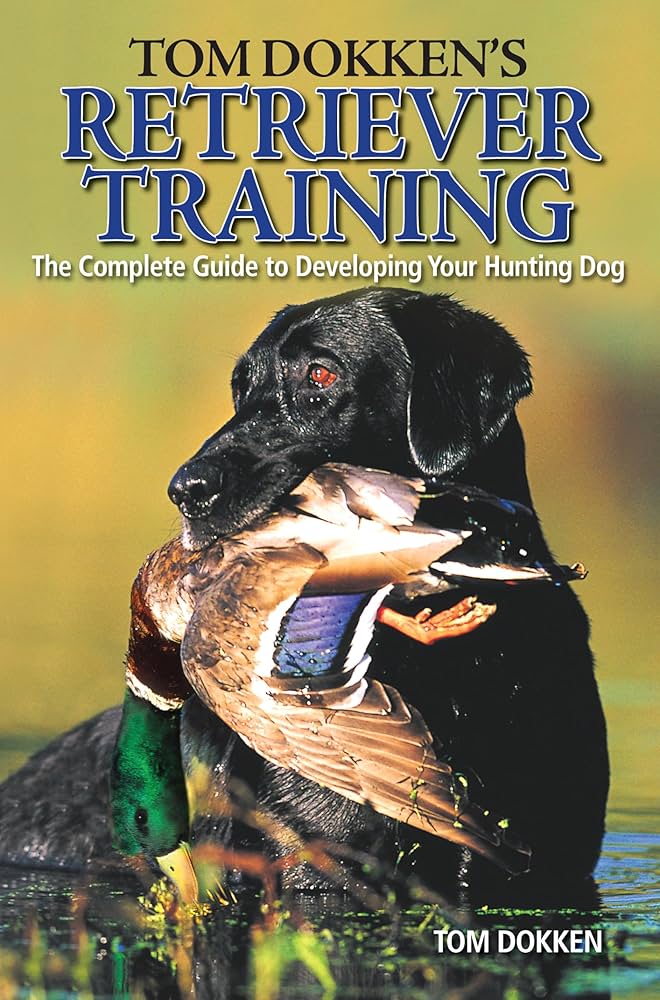
The crisp autumn air, the golden tamaracks, and the explosion of a pheasant flushing from cover—this is the heart of hunting in Minnesota. For generations, the bond between a hunter and their dog has been central to this tradition. But a truly exceptional hunting partner isn’t born; it’s made. Welcome to the definitive guide on Hunting Dog Training In Minnesota, where we’ll explore how to transform your eager pup into a steady, reliable, and skilled field companion. The journey from a playful puppy to a focused gun dog is a rewarding one, and finding the right guidance is the first critical step. For those looking to start this journey, understanding the landscape of gun dog training mn is essential.
Why Minnesota is a Prime State for Gun Dog Training
Minnesota’s diverse landscape is a natural classroom for any aspiring hunting dog. With its sprawling prairies perfect for pheasants, dense northern woods holding ruffed grouse, and over 10,000 lakes dotting the terrain for waterfowl, the state offers an unparalleled variety of training scenarios. A dog trained here learns to navigate cattail sloughs, dense aspen thickets, and open fields, making them versatile and confident in nearly any environment they might encounter across the country.
This variety demands a trainer who understands the local ecosystems. A program geared specifically for Minnesota hunting will prepare a dog for the unique challenges of the region, from breaking ice on a late-season duck hunt to holding steady on a cunning, late-season rooster pheasant.
What Defines an Elite Minnesota Hunting Dog Trainer?
Finding the right trainer is the most crucial decision you’ll make for your dog’s future in the field. The state is home to some of the nation’s most respected trainers, but not every program is the right fit for every dog or handler. Here’s what to look for.
Proven Experience and Philosophy
A great trainer has years of experience and a clear, consistent training philosophy. They should be able to articulate how they’ll work with your dog’s natural abilities. Ask about their methods. Do they use positive reinforcement? How do they introduce dogs to birds and gunfire? A reputable trainer, like the often-mentioned Chad Hines of Willow Creek Kennels or Terry Holzinger, will have a transparent approach and a history of success. They understand that training is about building a dog’s confidence, not breaking its spirit.
The Right Facilities
A trainer’s grounds are their workshop. Look for a facility with varied terrain that mimics real hunting conditions. They should have access to different types of cover, water for retriever work, and dedicated areas for drills. The kennels should be clean, safe, and well-maintained. A professional setup shows a commitment to the dogs’ well-being.
Owner Involvement
Top-tier trainers know that training the handler is just as important as training the dog.
As the esteemed (fictional) expert Dr. Samuel Reed, a veteran Minnesota-based canine behaviorist, often says, “A training program’s success is ultimately measured in the field, and that requires a seamless partnership. If the owner doesn’t understand the commands, the timing, and the dog’s cues, the finest training can fall apart.”
Look for a program that includes sessions for you to learn how to handle your newly trained companion. They should teach you the commands, how to reinforce behaviors, and how to correct mistakes effectively.
Key Skills Your Dog Will Learn
A comprehensive hunting dog training program in Minnesota goes far beyond basic sit and stay. It’s about honing instinct and layering on reliable, off-leash obedience in the face of incredible distractions.
Foundational Obedience Under Pressure
This is the bedrock of all gun dog work. Your dog will master “here,” “heel,” “sit,” and “kennel” not just in a sterile environment, but in the field with birds flying and guns firing. This includes e-collar conditioning, which, when done properly by a professional, is a communication tool for reliable off-leash control.
Essential Training for Upland Dogs
For pointers and flushers targeting pheasant and grouse, the training focuses on quartering—working back and forth in front of the hunter—and responding to the whistle.
- Pointers (e.g., German Shorthaired Pointers, English Pointers): The main goal is to teach the dog to hold a staunch point upon scenting a bird, remaining perfectly still until the hunter flushes the game. Steadiness to wing and shot is critical, meaning the dog doesn’t break and chase when the bird gets up or the gun goes off.
- Flushers (e.g., Springer Spaniels, Cocker Spaniels): These dogs are taught to hunt within gun range, flushing birds into the air on command or upon encountering them. Control and a strong retrieve are paramount.
Specialized Skills for Waterfowl Retrievers
For Labradors, Chessies, and other waterfowl specialists, training has a different focus. While obedience is still key, the emphasis shifts to marking, retrieving, and delivery.
- Marking: The ability to watch a bird fall and remember its location, even across distances and through cover.
- Blind Retrieves: Taking commands from the handler using hand signals and whistle blasts to find a bird they did not see fall. This requires immense trust and teamwork.
- Steadiness: A retriever must remain perfectly still and quiet in the blind, even as ducks circle and calls are made. They only retrieve when sent.
Choosing the Right Minnesota Training Program
Once you’ve identified potential trainers, it’s time to choose a program. Most kennels offer several options tailored to a dog’s age and the owner’s goals.
- Puppy Head Start Programs: These programs (for dogs 4-6 months old) focus on socialization, bird and gun introduction, and building prey drive in a positive way. It sets the stage for more formal training later.
- Basic Gun Dog Training: This is the core of most programs, typically a 2-4 month board-and-train where the dog learns all the foundational skills for its specific job (upland or waterfowl).
- Advanced Training: For the hunter who wants a finished, polished dog, advanced programs work on skills like honoring another dog’s point, complex blind retrieves, and handling tough conditions.
Frequently Asked Questions (FAQ)
How much does hunting dog training in Minnesota cost?
The cost can vary significantly based on the trainer’s reputation and the program’s length. Generally, expect to invest between $800 to $1,500 per month for a board-and-train program. A full gun dog program can range from $2,500 to $5,000 or more.
At what age should I start training my hunting dog?
You can start informal training and socialization as soon as you bring your puppy home. Formal, intensive training programs are typically best for dogs around 6-8 months of age, once they have some maturity but are still highly receptive to learning.
How long will my dog be away for training?
This depends on the program and your dog’s individual progress. A basic started gun dog program typically lasts 2 to 3 months. Advanced training can take longer. The trainer should provide regular updates on your dog’s progress.
What is “Force Fetch” or a “Trained Retrieve”?
It’s a fundamental part of retriever training and is also used for upland dogs. It’s a systematic process that teaches the dog to hold a bird or bumper gently but firmly and deliver it to hand. Despite the name, a good program teaches this method fairly and without cruelty, ensuring a reliable retrieve every time.
Can I train my own hunting dog?
Absolutely, but it requires immense dedication, time, and knowledge. For a first-time owner or someone with limited time, a professional trainer can establish a foundation that you can then build upon for years to come, saving you from a lot of potential frustration.
The Ultimate Reward: A True Hunting Partner
Investing in professional hunting dog training in Minnesota is about more than just bringing home more birds. It’s about safety, efficiency, and deepening the incredible bond you share with your canine companion. It’s about the silent communication in the field, the pride in a perfect retrieve, and the shared joy of a sunrise in a duck blind. A well-trained dog is a pleasure to hunt with, a joy to live with, and a testament to the timeless tradition of hunter and dog working as one. Choose your trainer wisely, commit to the process, and you’ll be rewarded with a hunting partner for a lifetime of memories.
