
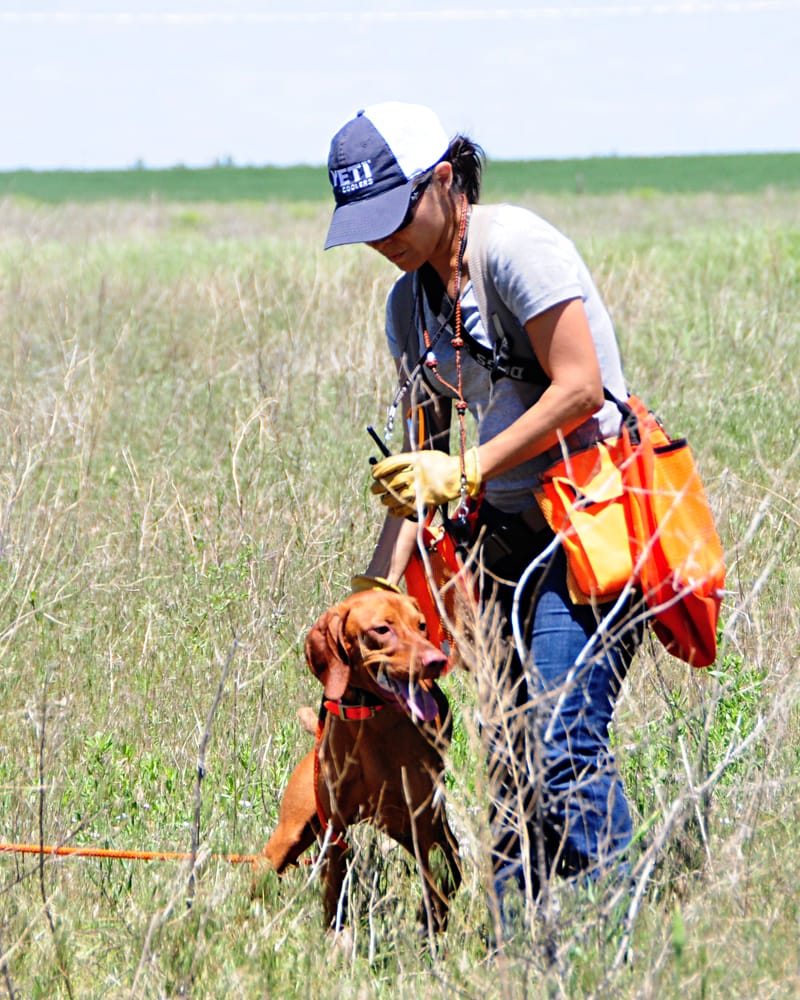
Embarking on the journey of training a hunting dog is a rewarding endeavor, forging a bond built on trust, communication, and shared purpose. To effectively guide your canine companion towards becoming a proficient hunting partner, equipping yourself with the right Hunting Dog Training Gear is paramount. This isn’t just about acquiring tools; it’s about investing in a systematic approach that maximizes your dog’s potential and ensures safety and efficacy throughout the training process. From basic obedience to advanced field skills, the right gear supports every stage of development.
Understanding the Fundamentals of Hunting Dog Training
Before diving into specific gear, it’s crucial to grasp the core principles of hunting dog training. This discipline requires patience, consistency, and a deep understanding of canine behavior. The goal is to instill reliability in your dog’s responses, ensuring they can perform tasks accurately and safely in various environmental conditions. This involves building a strong foundation of obedience, developing specific hunting drives, and fostering a positive working relationship. Effective training isn’t about force; it’s about clear communication and rewarding desired behaviors, making the right hunting dog training gear an extension of this positive reinforcement.
The Role of Positive Reinforcement in Training
Positive reinforcement is the cornerstone of modern, ethical dog training. It involves rewarding your dog for performing desired actions, making them more likely to repeat those behaviors. This can include praise, treats, or the use of training tools that signal a correct response. When selecting hunting dog training gear, prioritize items that facilitate positive reinforcement, such as reward-based training collars or tools that clearly mark correct actions. This approach not only accelerates learning but also strengthens the bond between you and your dog, fostering a willing and eager partner.
Essential Gear for Foundational Obedience
Every successful hunting dog starts with a solid foundation in obedience. This is where foundational hunting dog training gear comes into play, helping to establish clear communication and control.
Training Collars and Leashes
The choice of collar and leash is critical. For foundational training, consider:
- Flat Buckle Collars: Ideal for everyday wear and basic leash manners, ensuring comfort and safety.
- Martingale Collars: These offer a gentle tightening action to prevent escape without causing harm, useful for dogs that tend to slip out of flat collars. They are particularly helpful when teaching your dog to walk politely by your side without pulling.
- Leashes: A standard 6-foot nylon or leather leash is versatile for most obedience work. For specific training scenarios, longer leashes might be necessary.
When teaching your dog to walk calmly beside you, a well-fitted flat collar or a martingale can be effective. For dogs that are particularly strong or prone to pulling, exploring options like the top rated dog training collars that offer enhanced control without discomfort is a wise step.
Training Treats and Pouches
Positive reinforcement is significantly amplified with high-value rewards.
- High-Value Treats: Small, easily digestible treats that your dog finds highly motivating are essential. Think small pieces of cooked chicken, cheese, or commercially available training treats.
- Treat Pouches: A treat pouch that clips onto your belt or waistband allows for quick and easy access to rewards, keeping your hands free for other commands or actions. This immediate reward system is crucial for reinforcing desired behaviors in real-time.
Advanced Training Gear for Field Work
Once basic obedience is established, you’ll need specialized hunting dog training gear to prepare your dog for the field. This gear focuses on developing specific hunting skills and ensuring safety in outdoor environments.
E-Collars (Electronic Training Collars)
Electronic collars, often referred to as e-collars, are sophisticated tools used for advanced training, particularly for recall and off-leash control in distracting environments. When used correctly and ethically, they provide a consistent communication method.
- Proper Fit and Usage: It’s imperative that e-collars are fitted correctly and used with a deep understanding of their functionality. They should always be introduced as a last resort after all other positive reinforcement methods have been exhausted and should never be used out of anger.
- Levels of Stimulation: Modern e-collars offer a range of stimulation levels, from a gentle vibration to a mild electrical sensation. Training should always begin at the lowest effective level to communicate cues, not to punish.
- Remote Trainers: These consist of a transmitter (remote) and a receiver collar. They allow you to send commands and corrections from a distance.
The use of e-collars requires significant knowledge and practice. It’s highly recommended to seek guidance from experienced trainers specializing in hunting dog training gear and techniques. For instance, understanding long line dog training can be a stepping stone to e-collar use, as both involve establishing control at a distance.
Whistles and Remote Launchers
Clear signals are vital when working with a dog at a distance.
- Training Whistles: A loud, distinct whistle can communicate commands like “come” or “stay” over long distances and through dense cover where your voice might not be heard. Different whistles produce different pitches, and your dog can learn to distinguish them.
- Remote Launchers: These devices launch training dummies or birds, simulating the flush of game. They are invaluable for teaching dogs to mark downed game and for developing their retrieving drive.
GPS Tracking Collars
For safety and training management, especially in large or challenging terrain, a GPS tracking collar is an indispensable piece of hunting dog training gear.
- Real-Time Location: These collars allow you to track your dog’s exact location via a smartphone app or handheld device.
- Geofencing: Some advanced models allow you to set virtual boundaries, alerting you if your dog crosses them. This is particularly useful in areas where dogs might wander off course or encounter hazards.
Protective Gear
The field can present various dangers, making protective gear essential for your hunting partner.
- Hunting Vests/Coats: These offer protection against thorns, brambles, and even potential bites from small game. They are typically made of durable, water-resistant materials.
- Paw Protection: Booties or paw wax can protect your dog’s paws from rough terrain, extreme temperatures, and ice.
Specialized Training for Specific Breeds and Tasks
Different breeds and hunting disciplines require tailored training and specific hunting dog training gear.
Scent Training Gear
For breeds bred for scent work, such as blood tracking or bird retrieval, specialized gear is crucial.
- Scent Dummies and Lures: These are used to introduce your dog to the scent of specific game.
- Long Lines: A long line (20-50 feet) is vital for practicing blind retrieves and directional work without the dog getting too far away. This is a key component in blood tracking dog training and training a deer tracking dog.
Retrieve Training Aids
Developing a soft mouth and a strong retrieving instinct is key for many hunting dogs.
- Retrieving Dummies: Made of various materials (canvas, rubber, PVC), these help teach the dog to carry game gently and bring it back.
- Soft Mouth Training Tools: Specialized devices can help correct hard-mouthed retrieving.
Making the Right Gear Choices
Selecting the appropriate hunting dog training gear involves considering your dog’s breed, temperament, age, and the specific type of hunting you plan to do.
Assessing Your Dog’s Needs
- Breed Characteristics: Herding breeds might respond differently to training than hounds or retrievers. Understand your breed’s natural instincts and physical capabilities.
- Temperament: Is your dog naturally eager to please, or more independent? This will influence your approach and the tools you use.
- Age and Experience: Puppies require different gear and training methods than adult dogs.
Prioritizing Safety and Ethics
Always prioritize your dog’s safety and well-being. Use training tools ethically, understanding their purpose and limitations. Never use any training device as a substitute for consistent training, clear communication, or a strong bond. If you’re unsure about the use of any advanced hunting dog training gear, consulting with a professional dog trainer is highly recommended. They can guide you on proper usage, alternatives, and tailor a training plan specific to your needs, which might include advice on dogs that are hard to train.
Conclusion: Equipping for Success
Investing in quality hunting dog training gear is an investment in your partnership with your dog. It provides the tools necessary to communicate effectively, build essential skills, and ensure safety in the field. From foundational obedience tools like leashes and treat pouches to advanced equipment like GPS collars and remote launchers, each item plays a role in shaping your dog into a reliable and capable hunting companion. Remember that gear is only as effective as the training behind it. Combine the right equipment with patience, consistency, and a positive approach, and you’ll be well on your way to many successful hunts together.
