
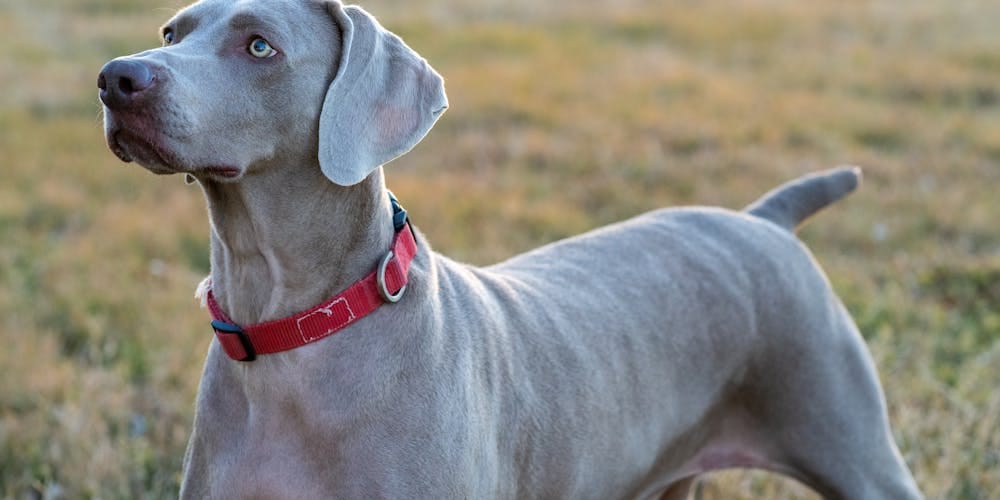
When it comes to the world of hunting dogs, shedding can be a major concern for potential owners, particularly those who want a trusty companion that also fits seamlessly into their home life. The concept of a hunting dog that doesn’t shed—much like finding a needle in a haystack—can seem daunting, yet it is entirely feasible with certain breeds that have been crafted through generations not only for sport but also for companionship.
Interestingly, the breeds that emerge from this search often serve dual purposes: they are exceptional hunters and equally delightful family pets. Breeds like the Pudelpointer, a versatile, energetic retriever, combine the waterfowl capabilities of traditional pointers with the non-shedding attributes typical of the Poodle lineage. Other notable candidates include the Wirehaired Pointing Griffon and the German Wirehaired Pointer, both of which exhibit incredible tracking abilities while maintaining a fur-coat quality that minimizes allergenic concerns for their human companions.
Dual-Purpose Elegance: Poodles as Hunters
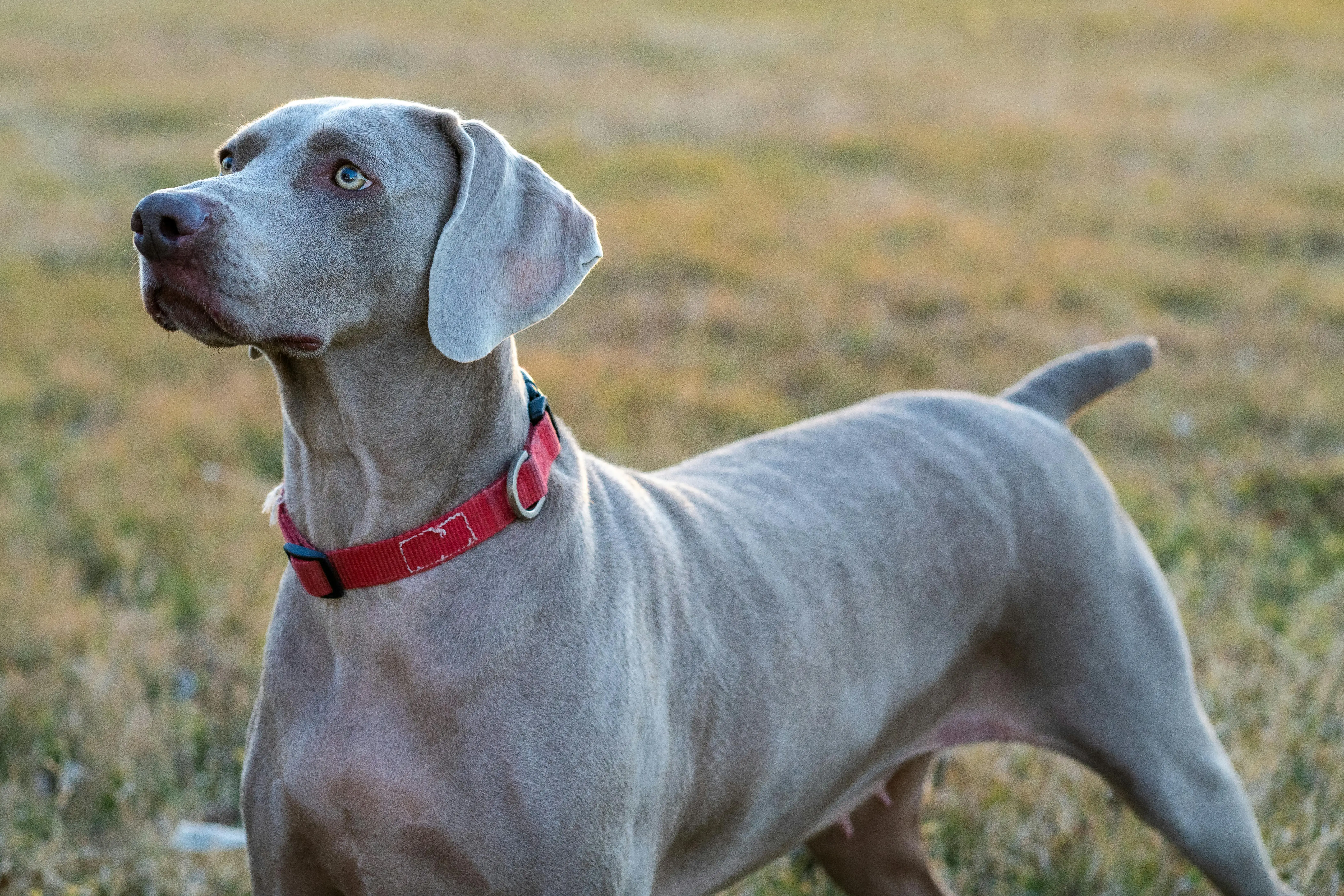
The allure of the Standard Poodle in competitive hunting circles may initially raise eyebrows due to its reputation as a show dog; however, its practical nature has long been celebrated. Not only does this breed retain minimal shedding, but it also showcases remarkable intelligence and trainability. Combine these traits with an affection for water and you’ve got an ideal partner for duck hunting.
A Unique Combination of Traits
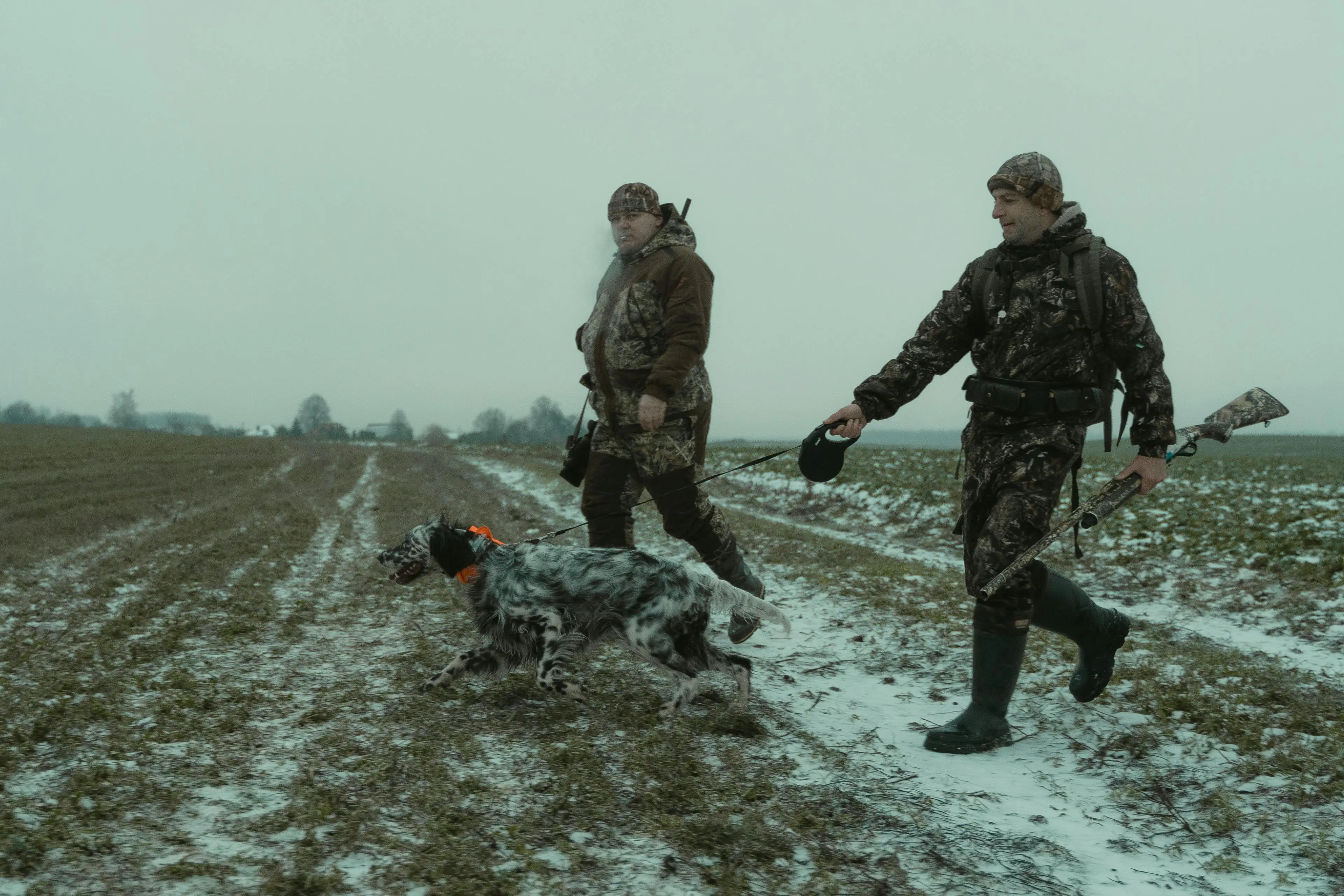
Poodles possess several characteristics that make them excellent hunting partners. Their hypoallergenic coat is one of the standout features. Unlike many breeds, which leave behind a trail of hair wherever they go, Poodles lose very little fur – almost akin to human hair. This trait is particularly appealing for allergy sufferers or those who simply prefer a cleaner environment.
Beyond their coats, Poodles are remarkably intelligent. They rank among the most trainable breeds, demonstrating an ability to learn complex commands quickly. This intelligence, paired with an eagerness to please, makes them exceptionally adaptable to various hunting scenarios. Whether in marshy wetlands or dense forests, they can be trained to retrieve game efficiently, making them invaluable to hunting enthusiasts.
Water Enthusiasts
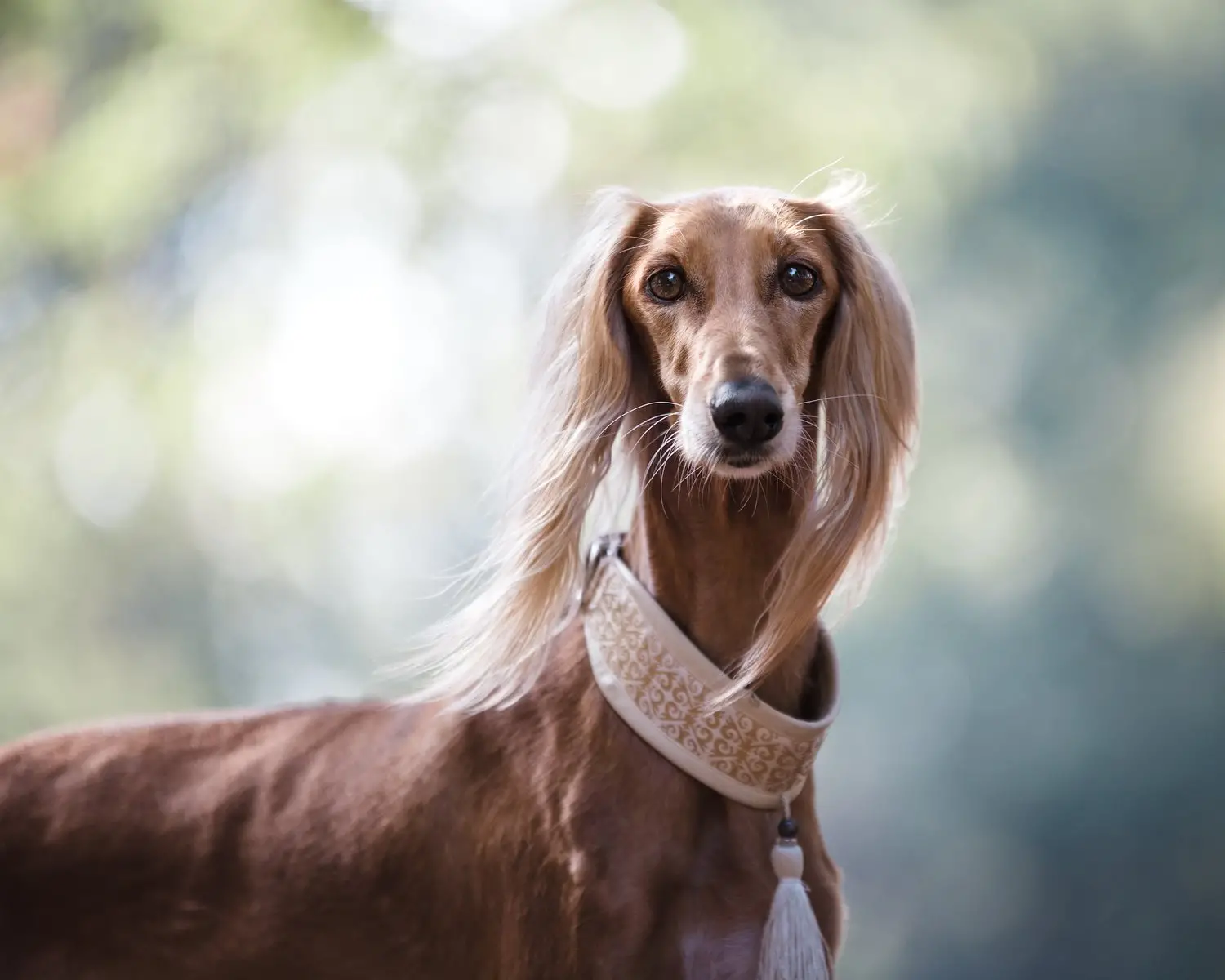
Poodles also have a love for water that sets them apart from many other breeds. Their natural swimming ability means that they thrive during waterfowl hunts, effortlessly diving into lakes or rivers to fetch birds. Their webbed feet offer an advantage in aquatic environments, allowing them to navigate through water smoothly and swiftly.
Additionally, the Poodle’s buoyant personality adds a charming dimension to the hunting experience. Their playful nature means that even after a rigorous day of hunting, they can lighten the mood with their antics. This dual-purpose nature of Poodles—being both formidable hunting companions and loving family pets—makes them an appealing choice for anyone looking for a non-shedding canine.
Gentle Giants: Rhodesian Ridgeback
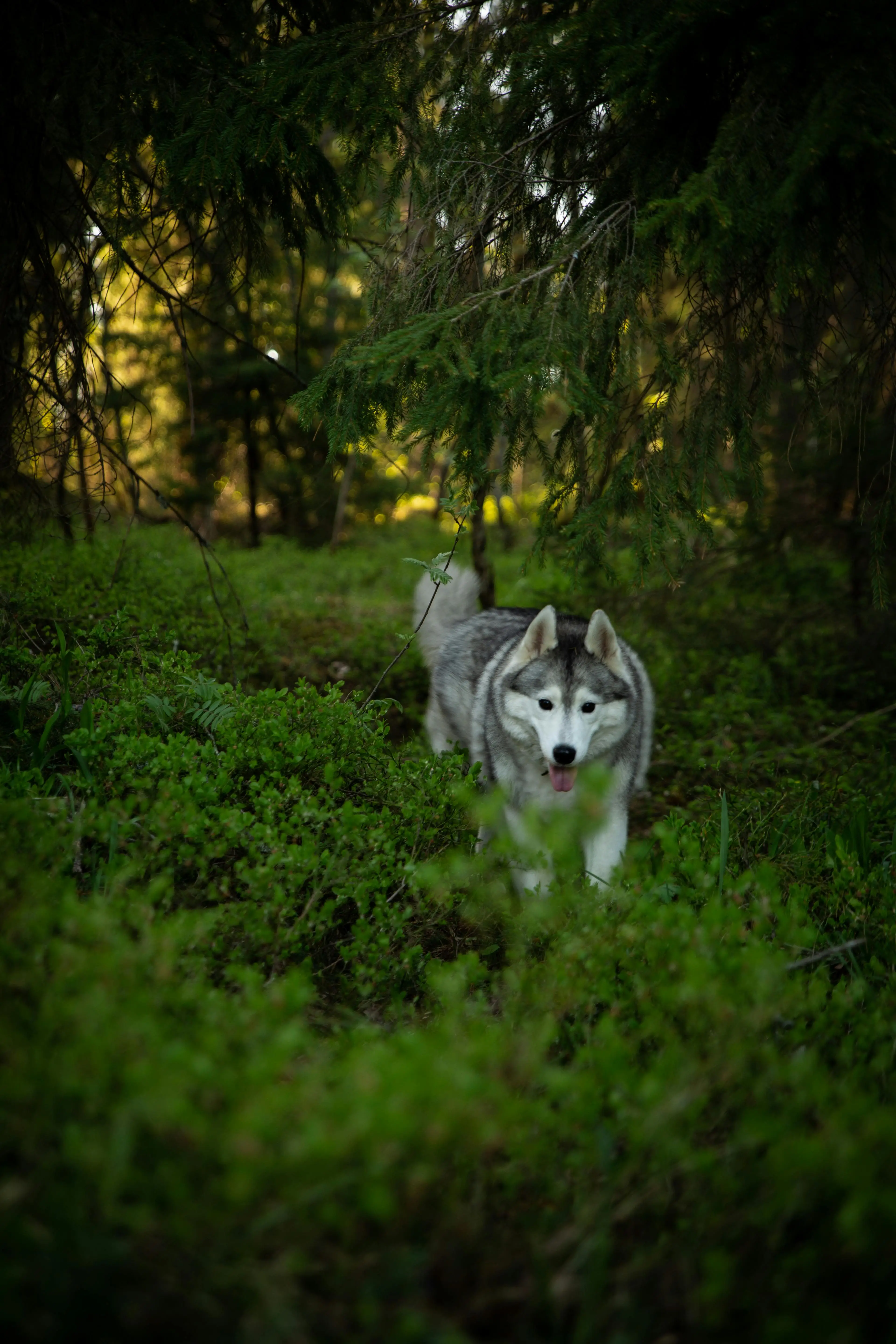
Then there’s the lesser-known Rhodesian Ridgeback, originally bred in Africa to track lions! Its short coat means reduced upkeep compared to fluffier counterparts, allowing focus on the hunt rather than constant grooming. The ridge of hair down its back serves as a distinctive hallmark, setting it apart not just aesthetically but functionally in proving its exceptional spatial awareness during hunts.
History and Heritage
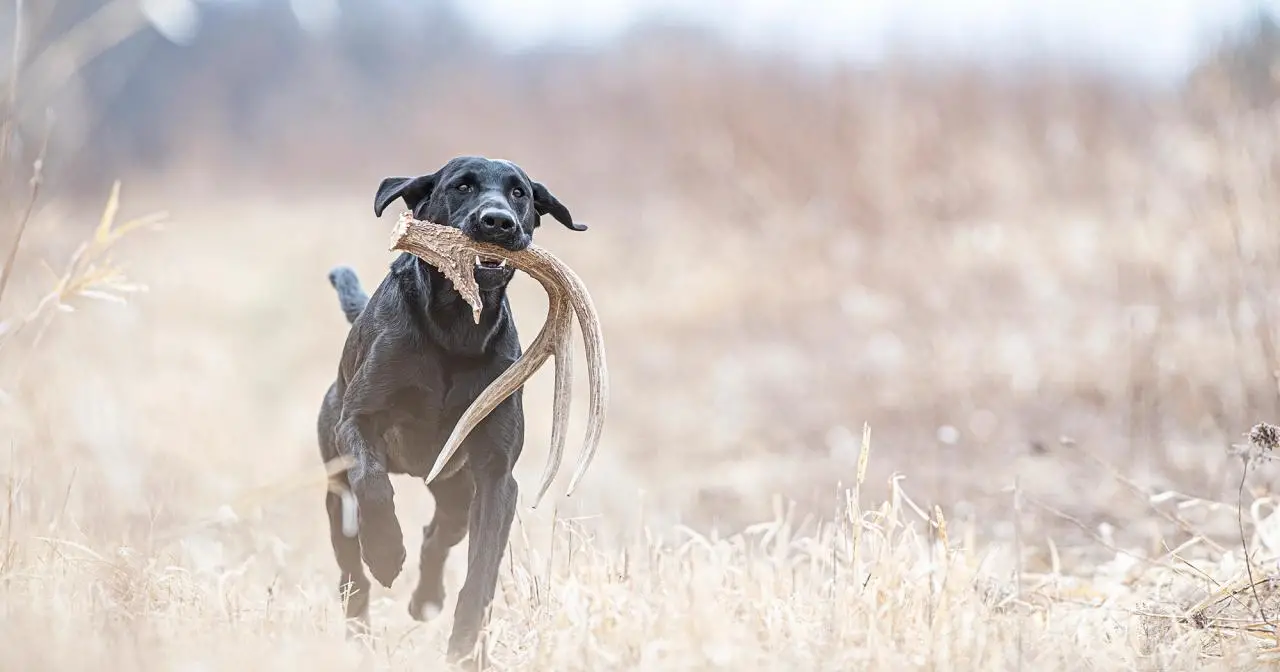
The Rhodesian Ridgeback was developed by the Khoikhoi people in southern Africa for hunting lions. This noble lineage creates a fascinating backdrop, showcasing how these dogs transitioned from fierce hunters to beloved household companions. Recognized for their tenacity and courage, Ridgebacks were used to track large game, making them true multitaskers in the hunting realm.
Their heritage contributes greatly to their temperament. While they are independent thinkers—a trait necessary for tracking elusive prey—they are also fiercely loyal to their families. This loyalty translates into a protective demeanor, making them excellent watchdogs as well. Owning a Ridgeback means welcoming a blend of powerful hunting instinct and devoted companionship into your home.
Physical Attributes and Performance
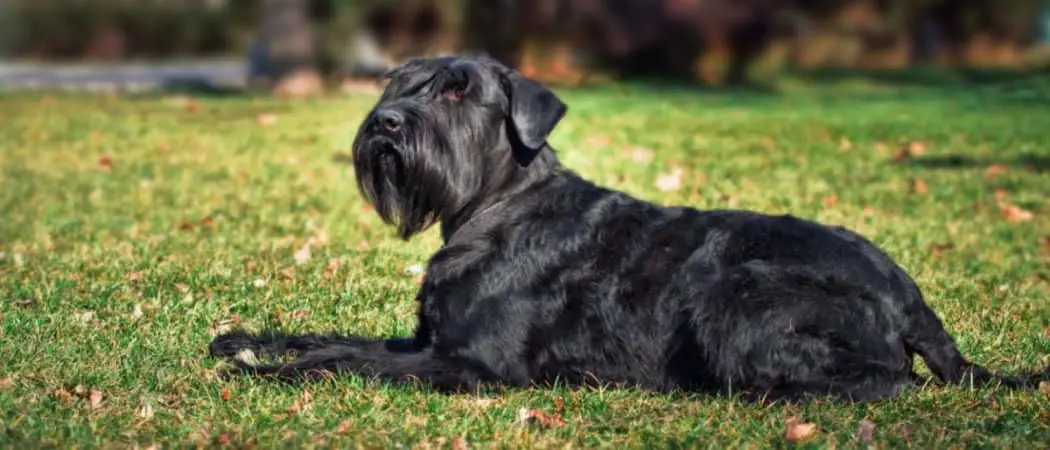
Physically, the Rhodesian Ridgeback is a striking breed. Their muscular build and sleek appearance convey strength and agility. Their unique ridged fur, which runs along their backs, provides an unmistakable identity. These dogs are built for endurance, capable of traversing vast distances, which is crucial in hunting scenarios where stamina can determine success.
While some hunting breeds require extensive grooming, Rhodesian Ridgebacks demand far less maintenance. Their short coat is easy to care for, requiring only occasional brushing, which frees up time for more outdoor adventures. This breed exemplifies the idea that less can indeed be more, merging functionality with aesthetic appeal.
Community Perspectives on Hypoallergenic Breeds
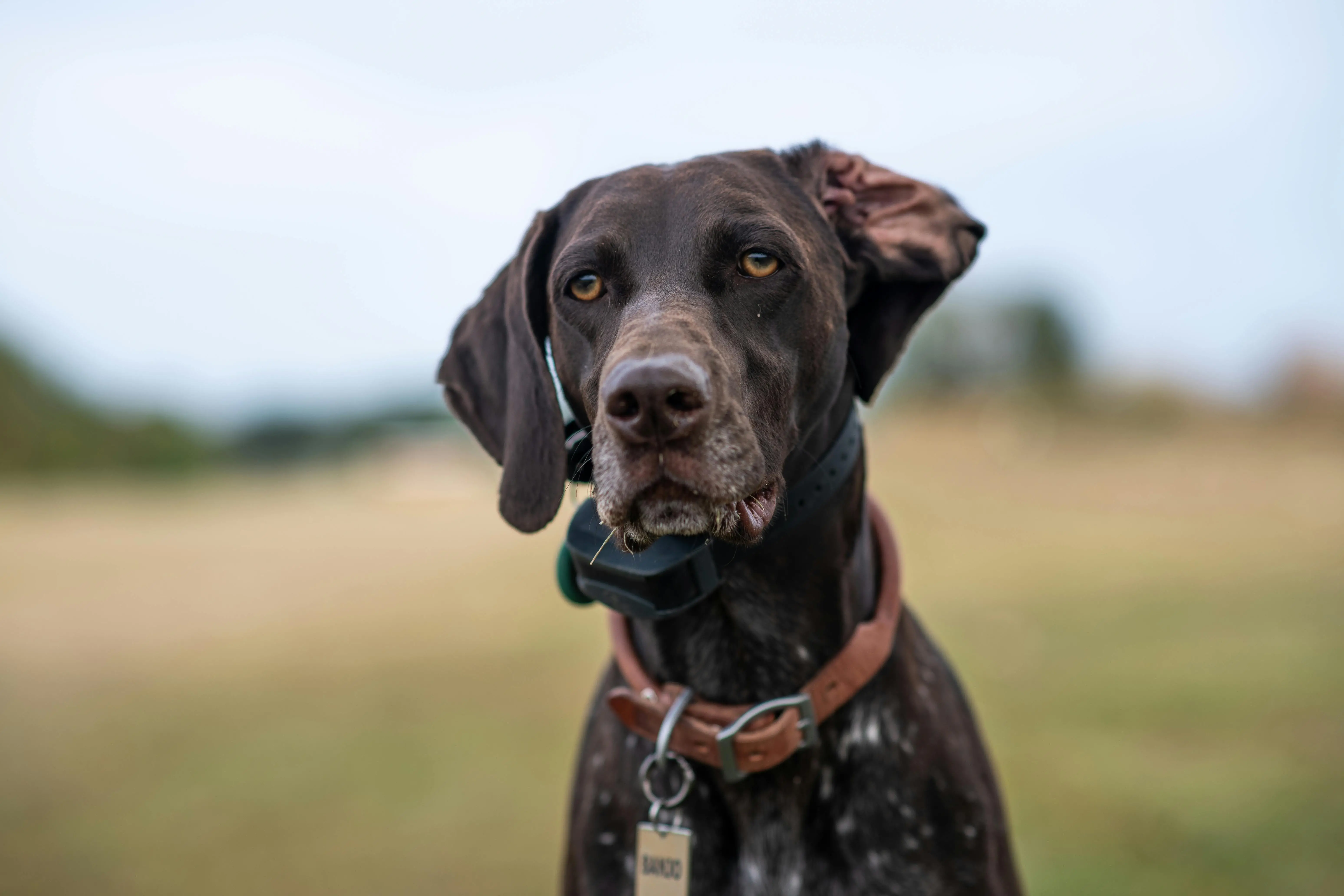
Online forums and communities, such as the highly interactive discussions found on Reddit, emphasize not just the breeds themselves but personal experiences. Regular mention of Cocker and Springer Spaniels hints at a softer side—these breeds excel in familial loyalty while still showcasing hunting prowess. Unlike the aforementioned breeds, they do shed moderately, sparking debates among users about tolerable compromise versus stringent preferences for hypoallergenic qualities.
The Discussion on Shedding and Allergies
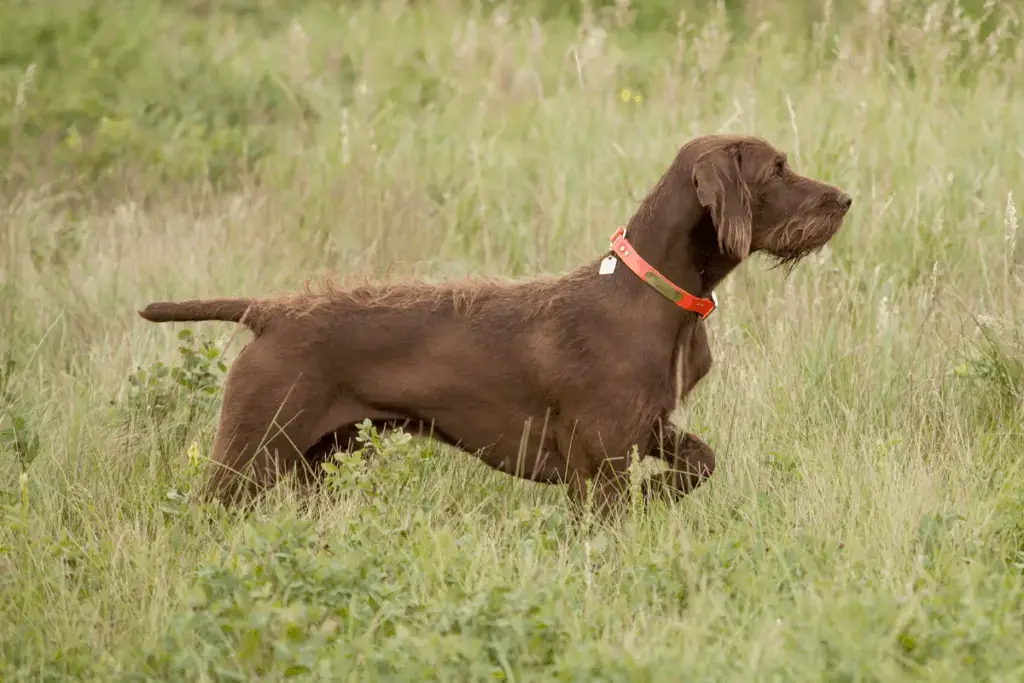
In many online discussions, the topic of shedding becomes a pivotal point. For families dealing with allergies, the decision to adopt a hunting breed that sheds can be a contentious one. Many users share their journeys of choosing between shedding breeds like Cocker Spaniels and hypoallergenic options like Poodles. It becomes clear that the discussion isn’t merely about preference; it speaks volumes about lifestyle choices and the willingness to adapt.
The debate surrounding shedding often transcends personal preference to touch upon social implications. Families seeking hunting companions who don’t shed are invariably seeking inclusivity; they desire dogs that allow participation in outdoor activities without the fear of triggering allergies. This highlights the evolving relationship between humans and their pets, as more individuals seek ways to integrate their love for nature and hunting with their health needs.
Emotional Bonds with Non-Shedding Breeds
Moreover, many stories shared within these forums highlight emotional connections formed with hypoallergenic breeds. Even if a dog does not fit the traditional definition of a hunting dog, they often become integral members of families, sharing both cozy nights by the fire and exhilarating days outdoors. This emotional aspect underscores the significance of selecting a breed that aligns with one’s lifestyle beyond mere functionality.
Through these discussions, it becomes evident that hunting dogs serve multiple roles in individuals’ lives. They are not merely tools for hunting; they often evolve into cherished companions. The importance of choosing a non-shedding breed lies not just in practicality but also in fostering bonds that enrich our lives.
The Broader Implications of Choosing Non-Shedding Breeds
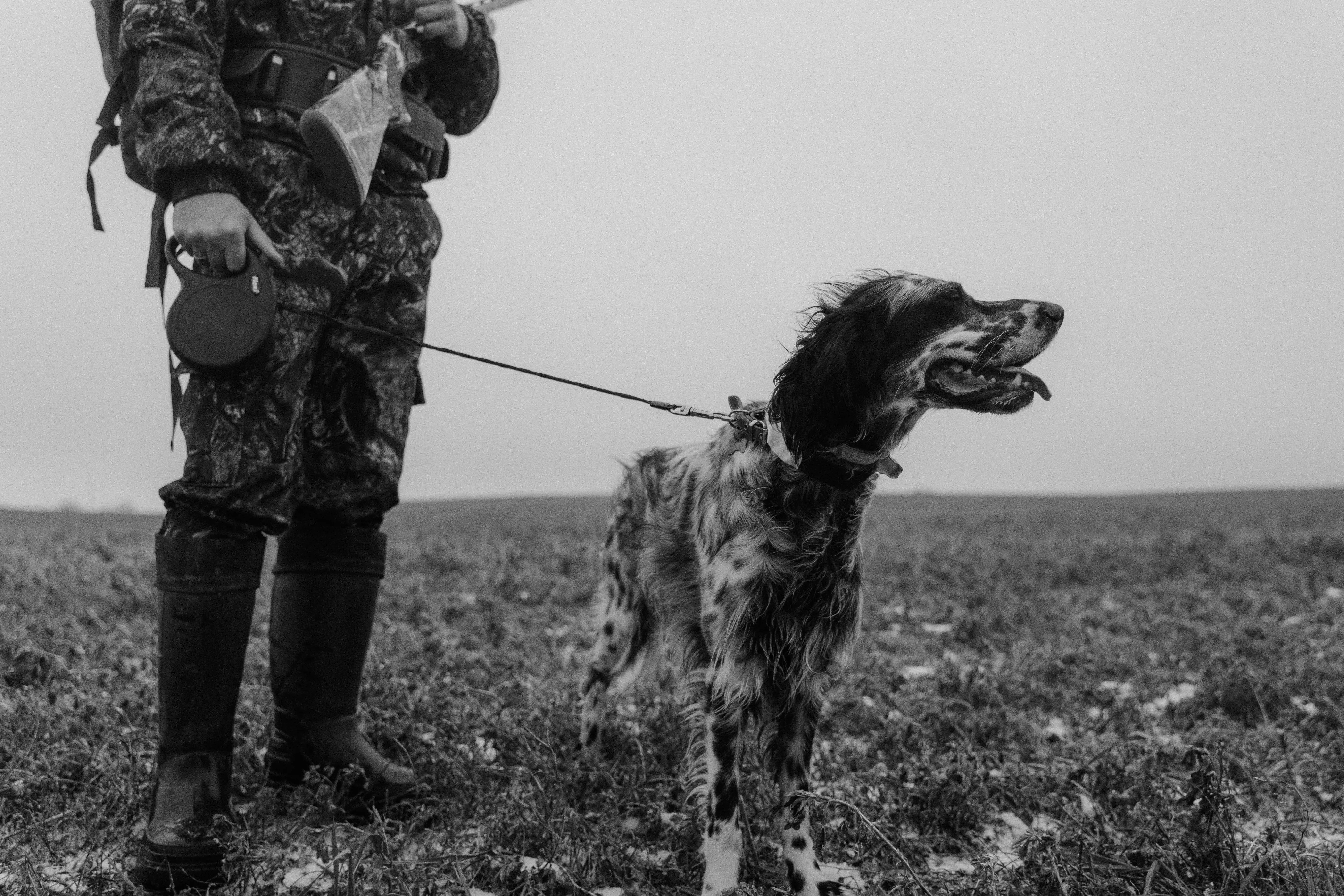
Opting for a non-shedding hunting dog can have social and environmental implications as well. Imagine participating in a great outdoor adventure without worrying about allergens irritating your seasonal friends’ noses—the ease of merging companionship with active lifestyle creates a unique bond between hunter and dog. This partnership reshapes the narrative around what hunting entails, promoting inclusivity even for those who traditionally would shy away due to allergies or shedding concerns.
Redefining Adventure
Choosing a non-shedding breed transforms the traditional view of hunting. The ability to embark on adventures without the burden of constant cleaning allows for spontaneity. Families can pack up and head out on a whim, knowing their beloved canine can comfortably join without causing discomfort to anyone in the party.
This redefined notion of adventure encourages families to explore nature together. The inclusion of non-shedding breeds allows for a more relaxed atmosphere, where everyone—from children to adults—can enjoy the thrill of the wilderness and forging memories together.
Building Inclusive Communities
Furthermore, the selection of non-shedding breeds promotes inclusivity within communities. As more individuals find suitable hunting companions that align with their values and health needs, it fosters a sense of belonging among diverse groups of people. Shared experiences in outdoor activities can help break barriers, creating bonds that transcend differences.
In essence, owning a hunting dog goes beyond enjoying the thrill of the chase; it revolves around forming connections—with the animal, the environment, and the community. The broader implications reflect a vital shift in how individuals engage with nature, and non-shedding breeds play a significant role in that transformation.
Conclusion
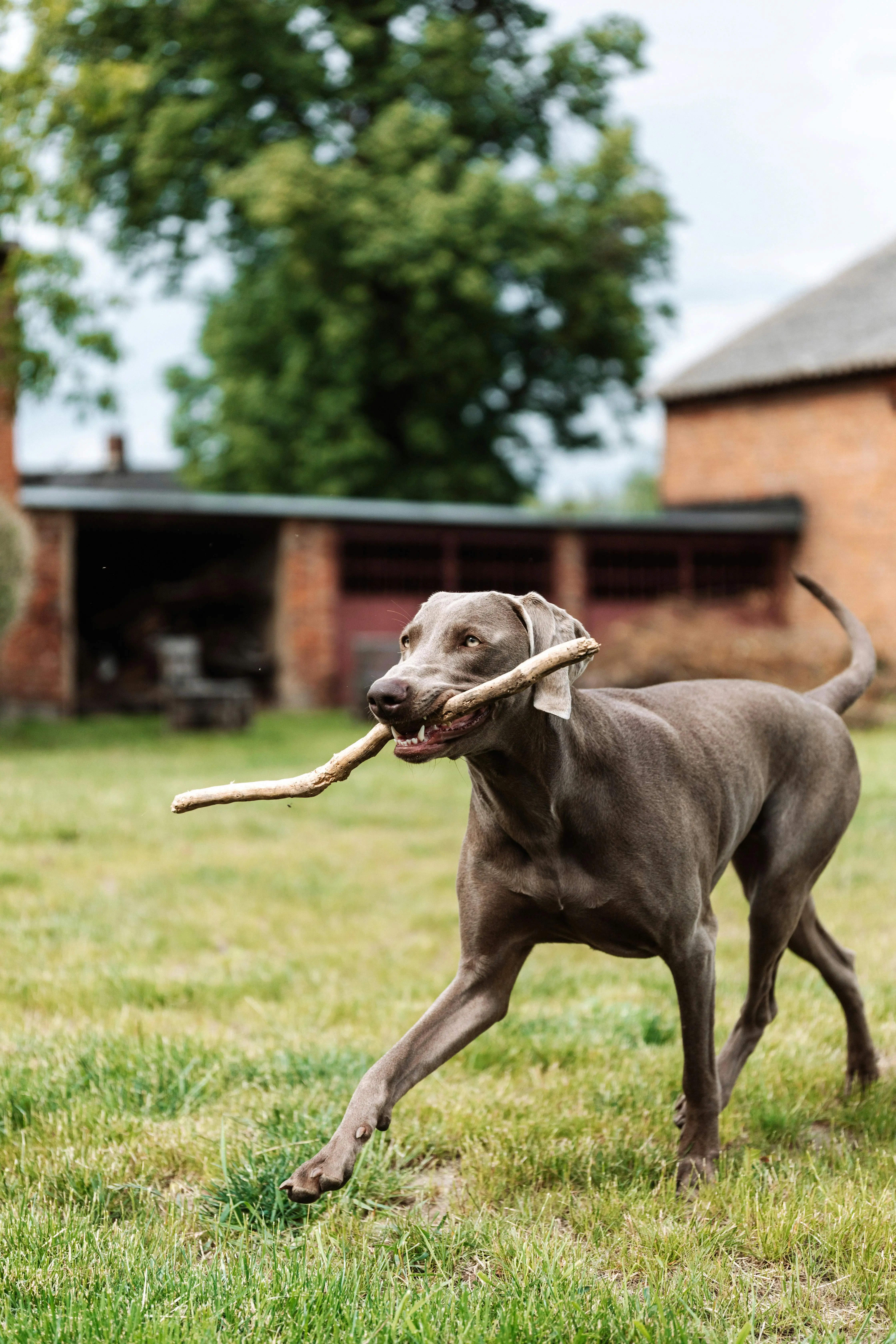
In conclusion, the world of hunting dog breeds that don’t shed is filled with enchanting possibilities, offering potential owners a blend of utility and companionship. From the intelligent and water-loving Poodle to the steadfast Rhodesian Ridgeback, we see how these breeds defy stereotypes while simultaneously meeting the demands of both hunting and homelife.
As discussions proliferate in online communities, it becomes apparent that the journey towards finding the perfect hunting partner encompasses various factors, including allergies, grooming, and emotional connections. It’s a testament to our evolving relationships with animals that we now seek breeds that resonate with our lifestyles, embodying the spirit of adventure and the warmth of family.
Ultimately, embracing non-shedding hunting breeds opens doors not just to thrilling outdoor escapades, but also to deeper connections with our furry companions and the communities we inhabit. These dogs enhance our lives in ways that extend beyond the hunt, transforming traditional narratives around companionship, adventure, and inclusivity. In this ever-changing landscape, one fact remains clear: the right hunting dog can enrich our lives immeasurably, blurring the lines between working animals and beloved family members.
