
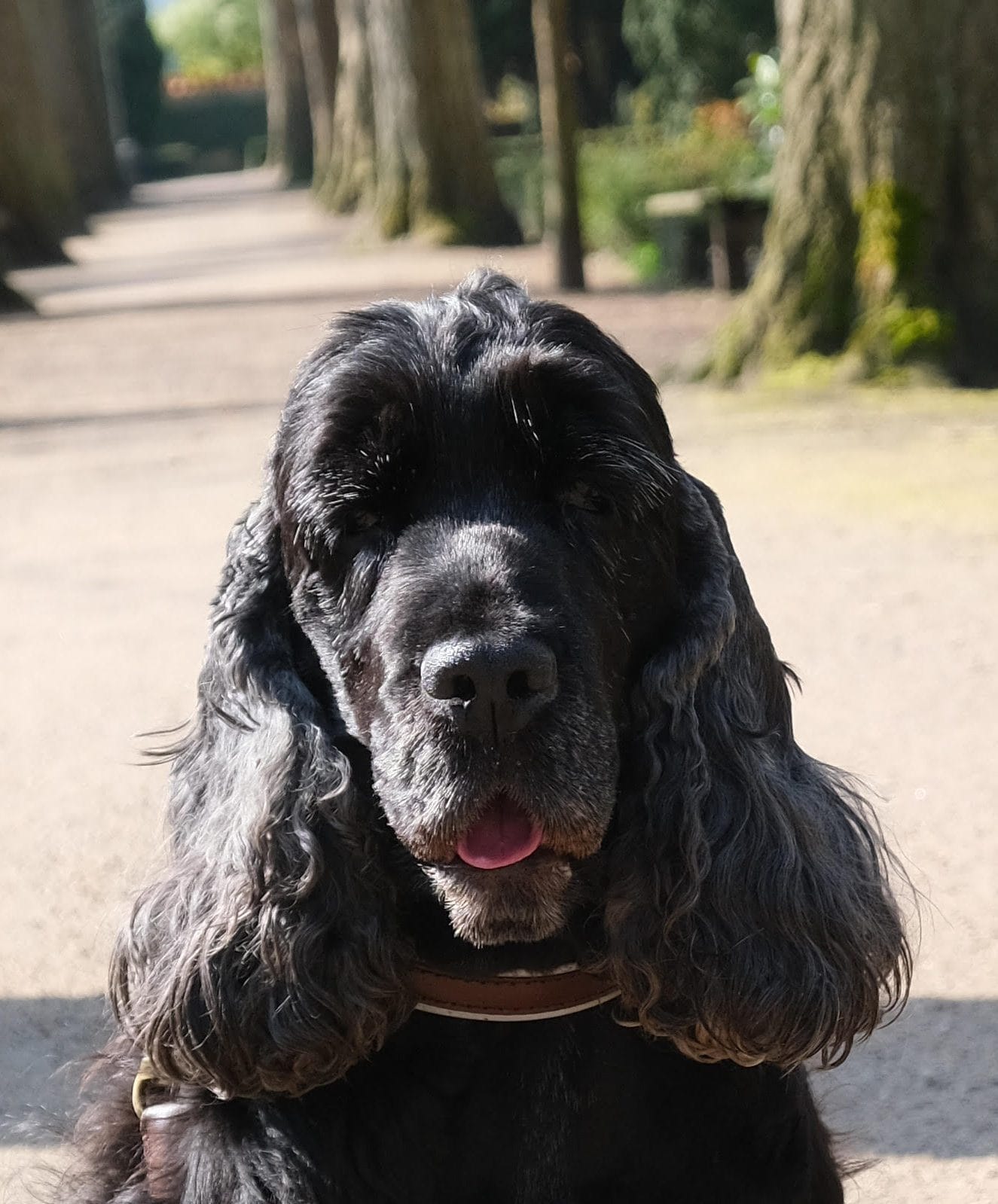
The English Cocker Spaniel, once a staple in the field, has seen a remarkable resurgence as a viable hunting dog in the United States. With their merry disposition, manageable size, and eager-to-please nature, these spaniels are proving to be an excellent choice for sportsmen seeking a versatile and adaptable canine companion. This article delves into the history, revival, and characteristics that make the English Cocker Spaniel a top contender for various hunting pursuits.
Rediscovering a Lost Gem
The image of the classic field-bred English Cocker Spaniel, as depicted in older hunting literature, showcases a dog with a shorter coat, less exaggerated ears, and a leaner build compared to their show-bred counterparts. These dogs were renowned for their prowess in retrieving game, from pheasants to waterfowl, and even larger birds like Canada geese. However, by the latter half of the 20th century, the field-bred cocker had largely disappeared, overshadowed by show strains. This shift led to a widespread belief that the hunting cocker was virtually extinct.
The Vance Van Laanen Story: A Catalyst for Revival
The perception of the English Cocker Spaniel’s demise began to change with individuals like Vance Van Laanen, an industrialist from Green Bay, Wisconsin. Van Laanen’s encounter with an English Cocker actively retrieving a dummy sparked his interest, reminding him of the capable hunting dogs from his old books. He discovered that the dog’s owner, Vance Van Laanen, was instrumental in re-establishing the English Cocker as a hunting breed in the U.S. by importing dogs from Scotland, where the breed had maintained its hunting popularity.
Van Laanen’s own journey to finding the right hunting dog began with Labs, a breed his father had always favored. However, declining waterfowl hunting opportunities in the region and the increasing costs and time commitment of hunting trips further north in Canada prompted him to seek an alternative. He needed a dog suitable for a variety of Wisconsin pursuits, including grouse, woodcock, pheasant, and duck hunting. A professional trainer suggested he consider Springer Spaniels.
His research into Springer field trials led him to British breeding lines. Coincidentally, he discovered a litter of Springer pups from a Scottish gamekeeper named Alan Hurst, who had been brought to the U.S. to manage a game farm. While inspecting the Springer puppies, Van Laanen noticed smaller dogs in a nearby pen—English Cockers. Initially skeptical when Hurst described them as bird dogs, Van Laanen’s doubts vanished after witnessing a demonstration. Hurst’s two English Cockers flushed pheasants with remarkable precision, retrieving a downed bird flawlessly. This display captivated Van Laanen, shifting his focus from Springers to Cockers, though Hurst had no dogs available for sale at that time.
From Springers to Cockers: A Journey to Scotland
Despite purchasing two Springer Spaniels, Van Laanen remained determined to own English Cockers. Approximately six months later, after Hurst returned to Scotland, Van Laanen and his wife visited him, with the unspoken understanding that he was looking for Cockers. Timing his trip with Scotland’s game fair, Van Laanen met Jack Windle, a breeder of the renowned Jordieland line of English Cockers. He selected two female dogs for import, initially intending only to train and enjoy them.
Upon returning to the U.S. and experiencing the exceptional trainability and responsiveness of his new Cockers, Van Laanen was persuaded by fellow hunters to breed them. He then imported a male and a pregnant female from Jack Windle, establishing his Braemar Kennel in 1978. He has since focused primarily on Jordieland breeding, with occasional outcrosses from Rosemary Hall’s Templebar kennel, valuing the consistency and quality these lines provide.
Consistency and Performance in the Field
The Jordieland strain is known for producing consistently high-quality dogs. Breeders and enthusiasts in Scotland and the U.S. alike attest to the uniformity of these pups, describing them as friendly, energetic, and possessing a strong hunting drive. Jim Dhuey, an owner of a Braemar Kennel English Cocker, notes that while most hunting breeds have a varying percentage of successful bird dogs, virtually every Jordieland English Cocker excels in the field, with all proving to be outstanding bird dogs.
Stan and Lisa Wrobel, professional dog trainers from Morrison, Wisconsin, are other significant figures in the English Cocker’s revival. They received their breeding stock from Van Laanen and work closely with him. Their kennels serve as a hub for many hunting Cockers in the Midwest, whether for training, breeding, or whelping. Stan describes the English Cocker as the “Cadillac” of grouse and woodcock dogs, citing their ability to navigate dense cover where other breeds might struggle. He also notes their effectiveness in pheasant, duck, and goose hunting, with one client successfully using his Cocker to retrieve 12 Canada geese in a single season.
Heart, Enthusiasm, and Family Appeal
Stan emphasizes the immense “heart” of the English Cocker, stating they can perform the duties of a Labrador, even retrieving geese when some Labs might falter. Their tenacity in heavy cover is a key attribute. Both Wrobels highlight the breed’s exceptional enthusiasm and excitement while hunting, coining the term “wog” to describe their animated wiggling when flushing birds.
Beyond their hunting capabilities, English Cockers are also cherished as family pets. Vance notes their affectionate nature, with his own dogs accompanying him to work daily. While sporting breeds generally make good family pets, the English Cocker stands out due to its manageable size and contented nature after receiving affection, making them well-suited for indoor living. This contrasts with some modern field lines of other breeds that can exhibit hyperactive tendencies.
The Future of the English Cocker Spaniel
Vance Van Laanen believes that responsible breeders who prioritize long-term quality over novelty are crucial for the English Cocker’s continued success. He posits that the breed’s ideal size and temperament make it perfectly suited for living with families, which is essential as hunting dogs spend the majority of their time at home when not in the field. Van Laanen is convinced that the English Cocker aligns better with the needs of the average hunter than any other breed.
For individuals who hunt grouse, woodcock, pheasant, and occasional ducks, the English Cocker is an ideal choice. They also make wonderful, friendly, and affectionate companions for children. However, for those engaged in hardcore waterfowl hunting in challenging conditions, breeds like the Labrador or Chesapeake Bay Retriever might be more suitable. For the majority of hunters and families, the English Cocker Spaniel presents itself as a truly ideal hunting dog.
