
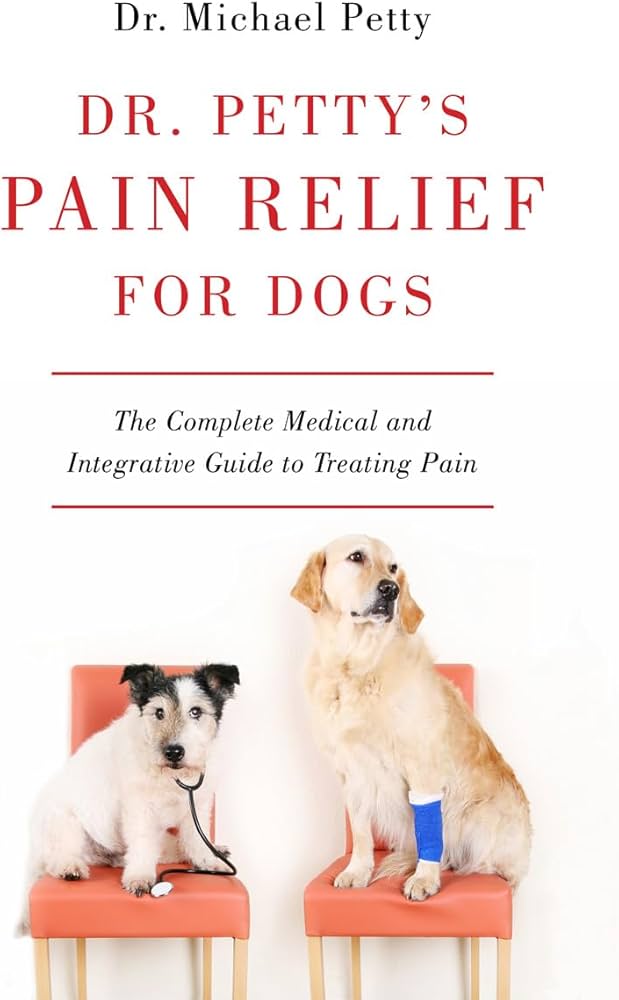
Understanding and managing pain in dogs is crucial for their well-being, especially as they age and face potential health challenges. This guide explores various pain relief options available for canine companions, focusing on recognizing pain, safe medication practices, and supportive therapies.
Recognizing Signs of Pain in Dogs
As loving pet owners, it’s essential to be attuned to subtle cues that indicate your dog is experiencing discomfort. Early recognition allows for timely intervention and a better prognosis. Some common signs include restlessness, visible signs of discomfort such as panting or hiding, vocalizations like whimpering or groaning, and changes in behavior such as decreased interaction or aversions to touch. A canine acute pain scale can be a helpful tool for objectively assessing your dog’s pain level.
Veterinary-Prescribed Pain Medications
Your veterinarian is your primary resource for developing a pain management plan tailored to your dog’s specific needs. This plan may involve a combination of approaches:
- Nonsteroidal Anti-Inflammatory Drugs (NSAIDs): Approved NSAIDs, such as Galliprant, are commonly prescribed to alleviate pain by reducing inflammation. It is critical to note that human NSAIDs like ibuprofen and naproxen are toxic to dogs and should never be administered. Always consult your veterinarian before giving your dog any new medication.
- Opioids: For more severe pain, opioids may be prescribed. These medications work on the brain to limit pain perception and are often used post-surgery or for significant discomfort. Due to their controlled nature, strict veterinary oversight is required.
- Other Medications: Drugs that target the nervous system, like gabapentin, can also be effective in managing pain signals.
Understanding NSAIDs for Dogs
Certain NSAIDs are specifically approved by the FDA for use in dogs to manage pain and inflammation associated with conditions like osteoarthritis. These medications work by inhibiting the body’s inflammatory response. However, NSAIDs can affect vital organ functions, including the stomach lining, kidney blood flow, and platelet function. Therefore, close collaboration with your veterinarian is essential, including potential blood work and urinalysis to monitor your dog’s organ function, especially if they have pre-existing conditions such as liver disease or kidney disease. While effective for long-term conditions like hip dysplasia, close monitoring for side effects and signs of toxicity is paramount.
Opioid Medications for Canine Pain
Opioids act on pain receptors in a dog’s brain to provide relief from moderate to severe pain. They are frequently used for post-operative pain management or as part of anesthesia protocols. Because opioids are controlled substances, veterinarians must maintain meticulous dispensing records. Potential side effects include excessive salivation, vomiting, lethargy, and hyperexcitability. Common opioids used in veterinary medicine include morphine, codeine, butorphanol, and fentanyl, each with specific applications and durations of use.
Other Supportive Pain Management Options
In addition to prescription medications, several other avenues can contribute to your dog’s comfort:
- Joint Supplements: Over-the-counter supplements like glucosamine, chondroitin, and fish oil can offer support for joint health and help manage mild pain associated with conditions such as hip dysplasia and osteoarthritis. Fish oil also offers anti-inflammatory benefits for various health issues.
- Alternative Therapies: Complementary therapies such as physical therapy, underwater treadmill rehabilitation, massage, acupuncture, and neuromuscular stimulation can be beneficial, particularly for pets who may not tolerate medications well or require additional support.
Safety of Human Pain Medications for Dogs
While some medications are safe for both humans and dogs, it is never advisable to administer human pain relievers to your pet without explicit veterinary guidance. Dosages, formulations, and a dog’s unique metabolism differ significantly from humans. Over-the-counter human pain relievers like ibuprofen and acetaminophen (Tylenol) can cause severe gastrointestinal bleeding, kidney failure, and liver failure in dogs. Always prioritize veterinary consultation for any medication, including over-the-counter options.
Comforting a Dog in Pain
Beyond medication, environmental and lifestyle modifications can significantly enhance a dog’s comfort:
- Weight Management: Maintaining a healthy weight reduces strain on joints and mitigates risks for other diseases. Consult your vet for dietary and exercise recommendations.
- Promote Movement: Gentle, low-impact exercises like daily walks or swim therapy keep joints lubricated and muscles strong, while also providing mental stimulation.
- Home Modifications: Implementing aids such as carpet runners, dog boots, or pet ramps can make navigating the home easier. Elevated food and water bowls may also be helpful for dogs experiencing neck or joint pain when bending.
Frequently Asked Questions About Dog Pain Relief
What pain relievers are safe for dogs?
Safe and effective options include veterinary-approved NSAIDs (e.g., Galliprant, carprofen), opioids, and certain supplements. Your veterinarian is the best source for recommending the most appropriate medication for your dog.
Can I give a dog pain meds without a vet?
No, it is crucial to consult your veterinarian before administering any pain medication to your dog. Human pain relievers can be toxic, and your vet can prescribe a safe and effective dosage tailored to your dog’s condition.
Can I give my dog aspirin or Tylenol?
Aspirin and Tylenol are not safe for dogs and can cause serious adverse effects. Always use vet-recommended pain medications specifically formulated for canines.
References
- United States Food and Drug Administration. “Galliprant — A Nonsteroidal Anti-Inflammatory Drug (NSAID) for Dogs with Osteoarthritis.” September 2019.
- Wunsch L, Schmidt B, Krugner-Higby L, Smith L. “A comparison of the effects of hydromorphone HCl and a novel extended-release hydromorphone on arterial blood gas values in conscious healthy dogs.” Research in Veterinary Science. 2010;88(1): 154-158.
