
Is your home symphony often interrupted by your dog’s vocal performance? Excessive barking can be a common, yet frustrating, issue for many dog owners. Understanding why dogs bark and implementing effective training strategies are key to restoring peace and quiet. This comprehensive guide will walk you through the nuances of canine communication and provide practical, humane methods on how to train your dog not to bark, fostering a calmer, happier relationship between you and your furry companion.
Understanding Why Dogs Bark
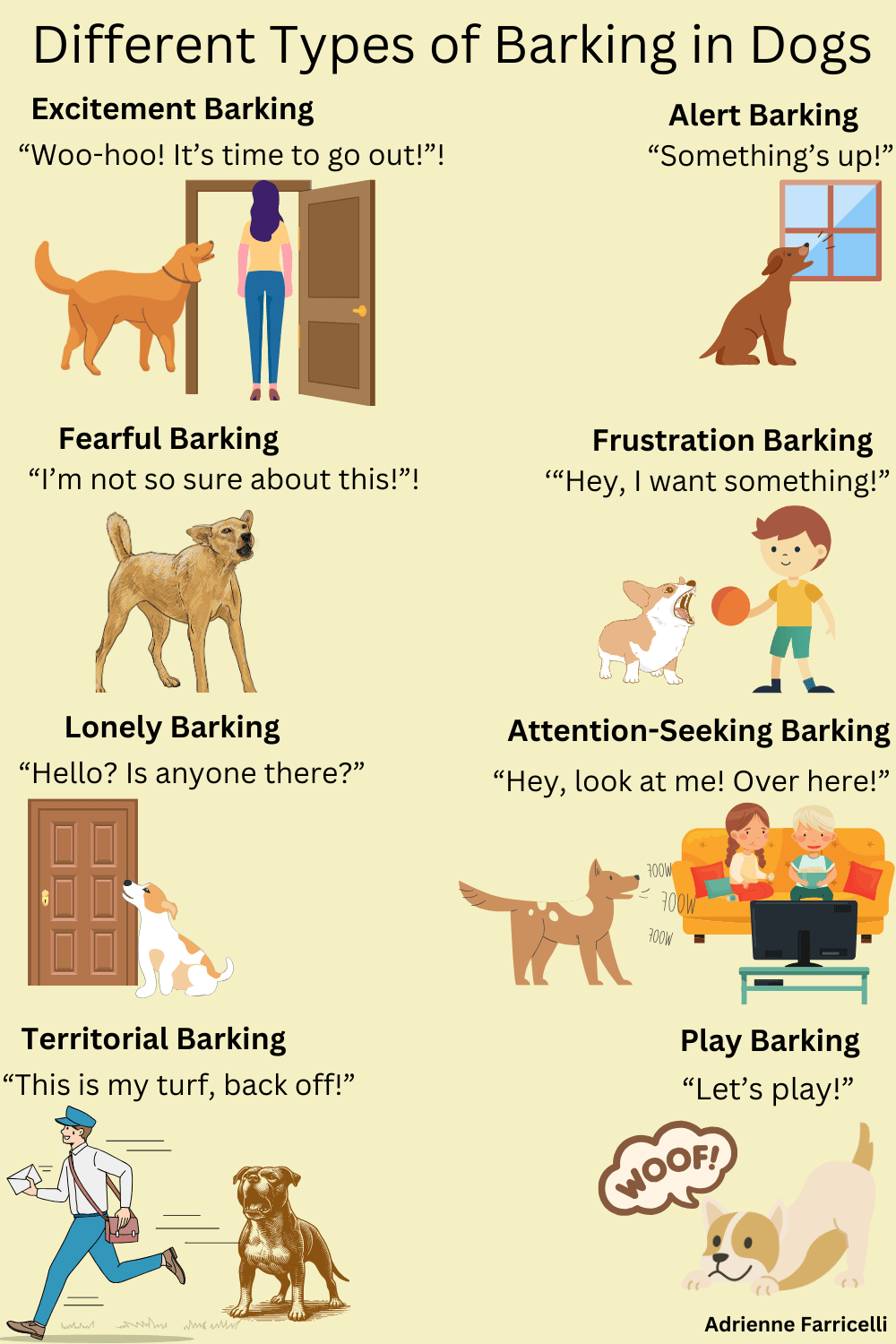
Before diving into training techniques, it’s crucial to identify the root cause of your dog’s barking. Dogs bark for a variety of reasons, and each reason requires a different approach. Common triggers include:
- Alerting/Warning: This is a natural instinct for dogs, signaling the presence of perceived threats, strangers, or unusual sounds.
- Boredom/Attention-Seeking: Dogs may bark to express their dissatisfaction with being left alone, to solicit play, or to get your attention.
- Fear/Anxiety: Loud noises, unfamiliar situations, or separation anxiety can lead to fearful barking.
- Greeting/Excitement: Many dogs bark enthusiastically when greeting people or other dogs.
- Compulsive Barking: In some cases, barking can become a learned habit or a compulsive behavior, often with no clear external trigger.
- Medical Issues: Sudden changes in barking behavior could indicate underlying health problems and should be discussed with a veterinarian.
Identifying the specific trigger for your dog’s barking is the first and most important step in addressing the issue.
Foundational Training Principles for Barking Control
Effective training relies on consistency, patience, and positive reinforcement. When teaching your dog how to train a dog to not bark, these principles are paramount:
- Consistency is Key: Every member of the household must be on the same page, applying the same rules and techniques consistently. Inconsistency can confuse your dog and hinder progress.
- Positive Reinforcement: Reward your dog with treats, praise, or toys when they are quiet or when they respond correctly to a command. This encourages the desired behavior.
- Management: While training, it’s essential to manage your dog’s environment to prevent opportunities for excessive barking. This might involve limiting visual access to triggers or providing engaging activities.
- Patience: Training takes time. Some dogs may learn quickly, while others require more repetition and time to adjust their behavior. Celebrate small victories and don’t get discouraged by setbacks.
Practical Strategies: How to Train Your Dog Not to Bark
Once you’ve identified the cause of the barking, you can implement targeted strategies.
Training Your Dog to Bark on Command (“Speak”)
Paradoxically, teaching your dog to bark on command can help you teach them to be quiet on command.
- Elicit Barking: Get your dog to bark in a controlled situation (e.g., by knocking on the door or having someone approach).
- Command “Speak”: As soon as your dog barks, say your chosen command, such as “Speak!”
- Reward: Immediately reward them with a high-value treat and praise.
- Repeat: Practice this in short, frequent sessions.
Once your dog reliably barks on command, you can move to the next step.
Teaching the “Quiet” Command
This is the most crucial skill for managing excessive barking.
- Wait for Silence: After your dog barks on command (“Speak!”), wait for a brief pause in their barking.
- Command “Quiet”: As soon as they pause, say “Quiet!” in a calm, firm voice.
- Reward: Immediately reward them with a treat and praise for being quiet.
- Increase Duration: Gradually increase the amount of time they need to remain quiet before receiving a reward. Start with a second, then two, then five, and so on.
- Generalize: Practice this command in various situations and around different triggers.
If your dog barks excessively at something outside, you can use this command after you’ve managed the environment.
Managing Environmental Triggers
For dogs who bark at external stimuli like people or other animals passing by:
- Block the View: Use curtains, blinds, or frosted window film to prevent your dog from seeing triggers. If they can’t see it, they may be less likely to bark.
- White Noise: Playing a fan, white noise machine, or calming music can help mask external sounds that might set your dog off.
- Desensitization and Counter-Conditioning: This is a more advanced technique that involves gradually exposing your dog to a trigger at a distance where they don’t bark, pairing it with positive reinforcement. As they become comfortable, you slowly decrease the distance. This process requires significant patience and is often best done with professional guidance. For more in-depth strategies, exploring how to train a dog not to bark can offer additional insights.
Addressing Boredom and Attention-Seeking Barking
If your dog barks out of boredom or to get your attention:
- Increase Physical and Mental Exercise: Ensure your dog is getting enough daily exercise. A tired dog is less likely to bark from boredom. Incorporate puzzle toys, training sessions, and varied walks.
- Ignore Attention-Seeking Barks: This can be difficult, but it’s vital. If your dog barks solely to get your attention, turn away, avoid eye contact, and remain silent until they stop barking for at least a few seconds. Then, reward the silence. This teaches them that barking doesn’t get them what they want, but quiet does.
- Provide “Jobs”: Engage your dog with scent games or simple training exercises to keep their mind occupied.
Dealing with Fear and Anxiety-Based Barking
Barking stemming from fear or anxiety requires a compassionate and systematic approach.
- Identify the Fear Source: Pinpoint what exactly triggers the fear.
- Create a Safe Space: Ensure your dog has a secure den-like area where they feel safe and can retreat when anxious.
- Consult Professionals: For severe anxiety or phobias, consult a veterinarian or a certified professional dog trainer/behaviorist. They can help develop a tailored treatment plan, which may include behavior modification techniques and, in some cases, medication. Learning training a dog not to bark in these situations is crucial for their well-being.
When to Seek Professional Help
While many barking issues can be resolved with consistent at-home training, there are times when professional intervention is necessary. You should consider seeking help from a certified professional dog trainer or a veterinary behaviorist if:
- The barking is sudden and appears to have no clear cause.
- The barking is accompanied by other signs of aggression, fear, or severe anxiety.
- You have tried various methods consistently without success.
- You feel overwhelmed or unsure how to proceed.
A professional can assess your dog’s specific situation, diagnose the underlying cause, and provide a personalized training plan. They can also guide you on advanced techniques like can you train a dog not to bark effectively through desensitization.
Preventing Future Barking Issues
The best approach to managing barking is often prevention.
- Early Socialization: Expose puppies to a variety of sights, sounds, people, and other well-behaved dogs from a young age in a positive way. This helps them develop into confident, well-adjusted adults less prone to fear-based barking.
- Consistent Training: Implement basic obedience training from the start. A dog that understands commands and boundaries is generally easier to manage.
- Meet Their Needs: Ensure your dog’s physical, mental, and emotional needs are consistently met. Provide adequate exercise, mental stimulation, social interaction, and a loving environment.
Conclusion: Embracing a Quieter Life with Your Dog
Understanding that barking is a natural form of communication for dogs is the first step towards managing it. By identifying the triggers, applying consistent positive reinforcement training, and managing your dog’s environment, you can significantly reduce excessive barking. Remember, the goal isn’t to eliminate barking entirely, but to train your dog to bark appropriately and to respond to commands for quiet. This journey of how to train dog to not bark requires patience and dedication, but the reward is a more harmonious home and a stronger bond with your beloved canine companion.
