
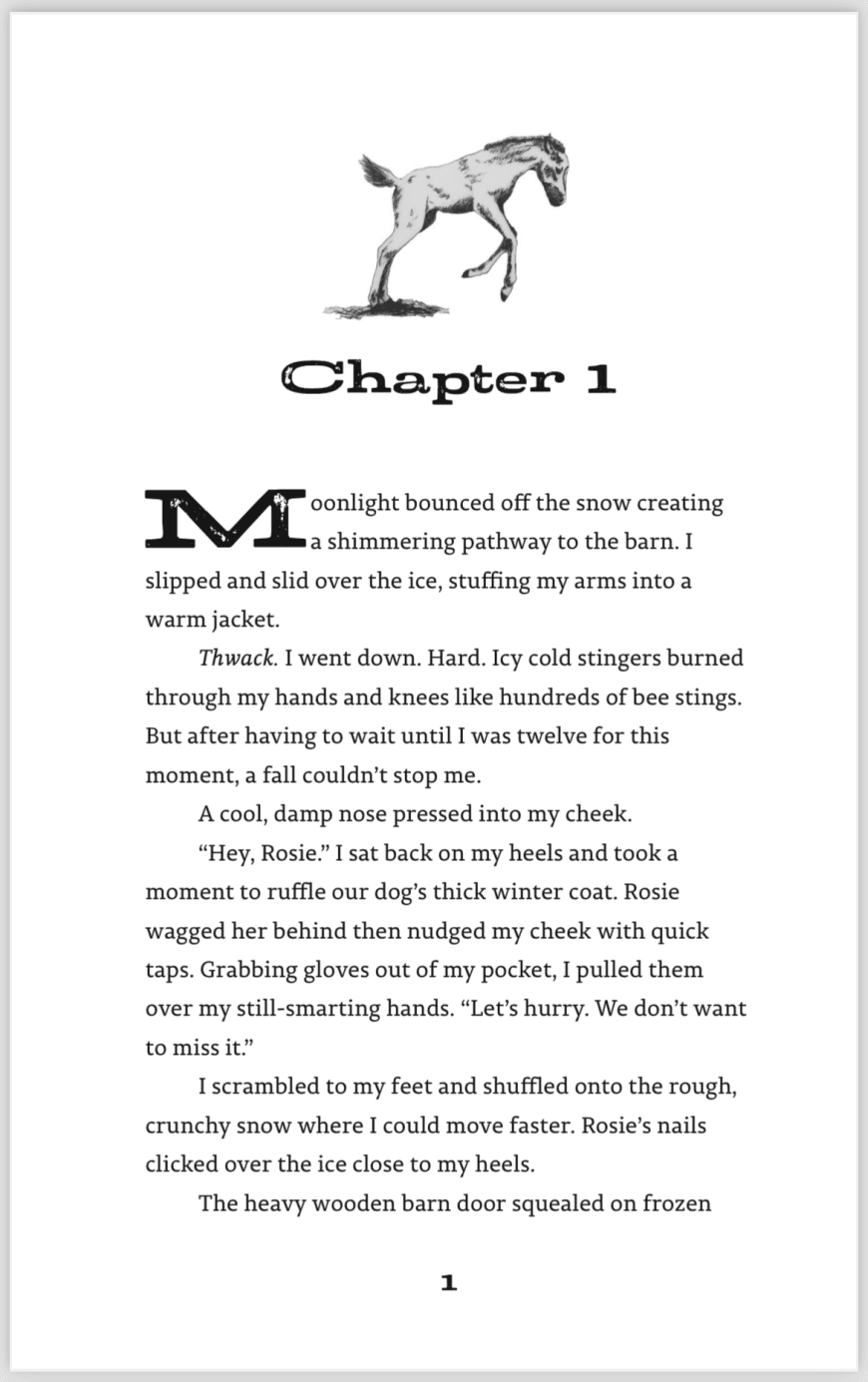
Knowing How To Write A Horse Story is about more than just describing a beautiful animal; it’s about capturing the profound, almost mythical connection between humans and horses. These tales resonate with readers because they tap into themes of freedom, trust, wildness, and the silent, powerful bond that can form between two different species. Whether you’re writing for young adults or a mature audience, the key is to create a narrative that feels authentic, heartfelt, and unforgettable. This guide will walk you through saddling up your idea, developing your characters, and crafting a story that will stay with your readers long after they’ve turned the final page.
To begin, it’s helpful to explore existing narratives to see what resonates with audiences. Taking a look at popular fiction horse stories can provide a strong foundation for understanding the genre’s core elements.
Understanding the Heart of an Equine Narrative
At its core, every great horse story is a relationship story. It’s the tale of a partnership built on mutual respect, patience, and understanding. Before you even think about the plot, you must first understand the central duo: your human protagonist and their equine companion. What draws them together? Is it a shared sense of being an outcast, a mutual need for healing, or a joint ambition to achieve greatness? This relationship will be the engine of your plot, driving every decision and overcoming every obstacle.
Think about the classic archetypes: the misunderstood teenager who finds solace with a wild stallion, the determined rider aiming for Olympic gold, or the grizzled rancher who shares a lifetime of memories with his aging mare. While these are familiar, they are popular for a reason—they work. Your challenge is to find a fresh perspective on these timeless dynamics.
Developing a Relatable Human Protagonist
Your human character is the reader’s entry point into the world. They must be more than just “the girl who loves horses.” Give them flaws, fears, and a life outside the stable. What is their internal conflict, and how does their relationship with the horse help them confront it?
- Motivation: What does your character want more than anything, and why? Is it to win a competition, save the family farm, or simply earn the trust of a frightened animal? Their motivation should be clear and compelling.
- Flaws: A perfect character is a boring character. Is your protagonist impatient, arrogant, fearful, or stubborn? Their flaws should create conflict and provide opportunities for growth.
- Backstory: What past experiences have shaped them? A previous riding accident could make them fearful, or a lonely childhood could make them desperate for a connection, which they find in a horse.
- Arc: How does your character change from the beginning of the story to the end? The horse should be a catalyst for this transformation, teaching them lessons about patience, courage, or empathy.
Creating an Unforgettable Horse Character
The most common mistake in equine fiction is treating the horse as a beautiful, two-dimensional prop. To truly master how to write a horse story, you must give your equine character a personality as distinct and complex as any human’s. Avoid simply describing their appearance; focus on their actions, reactions, and spirit.
- Personality: Is the horse grumpy, gentle, spirited, shy, or mischievous? Show this through their behavior. A grumpy horse might pin its ears when saddled, while a mischievous one might learn how to unlatch its stall door.
- History: Like your protagonist, the horse should have a past. Was it abused, neglected, or a former champion? Its history will dictate its fears, triggers, and how it interacts with humans. This adds layers of depth, similar to how writers explore intricate horse story plot ideas to build a compelling narrative.
- The Bond: How does the horse communicate with the protagonist? It’s a non-verbal language of swishing tails, soft nickers, and the feel of the reins. Describe these subtle interactions to make their connection feel real and earned.
- Quirks: Give the horse unique habits. Does it love a specific treat? Does it hate getting its feet wet? Does it have a favorite spot to be scratched? These small details bring a character to life. The uniqueness can even extend to their appearance, a detail that games sometimes use, such as the varied options available in story of seasons horse color.
Crafting a Galloping Plot and Authentic World
With your two main characters established, you need a plot that tests their bond and an environment that feels real. The world of horses is rich with its own language, rules, and sensory details.
Building a Believable Plot
Your plot should stem directly from your characters’ goals and conflicts. While a classic “girl gets a horse, trains it, and wins the big show” plot can work, try to add unique twists.
Common Plot Structures:
- The Underdog Story: An overlooked rider and a discounted horse team up to prove everyone wrong.
- The Healing Narrative: A traumatized human and a traumatized horse find a way to heal each other.
- The Rescue Mission: The protagonist must save their beloved horse or a group of horses from danger (auction, natural disaster, cruel owners).
- The Wild West Adventure: A story centered on freedom, untamed lands, and the challenge of taming a wild horse.
“The secret to a great horse story isn’t the ribbon they win at the end,” says fictional equine behaviorist Dr. Alistair Finch. “It’s the trust they build in the quiet moments—the shared breath in a cold barn, the steady rhythm of a long ride. That’s the real prize.”
Whatever plot you choose, ensure the stakes are high. What does the protagonist stand to lose if they fail? It should be something more profound than just a competition—it could be their self-respect, their home, or their only true friend. The authenticity of the story often leads readers to ask, is horse book a true story, which is a testament to the writer’s skill in creating a believable world.
How to Write a Horse Story with an Authentic Setting
Authenticity is paramount. If you get the details wrong, knowledgeable readers will be pulled right out of the story. If you’re not an experienced equestrian, research is your best friend.
Key Details to Get Right:
- Tack and Equipment: Know the difference between a bridle and a halter, a Western and an English saddle. Use the correct terminology.
- Horse Care: Understand the daily routines of feeding, grooming, and mucking out. These chores are often great scenes for character development.
- Sensory Details: What does a barn smell like? It’s a mix of hay, leather, sweet feed, and the earthy scent of the horses themselves. What does it sound like? The munching of hay, the stomp of a hoof, the distant whinny.
- Horse Behavior: Research equine body language. Pinned ears signal anger or fear, a swishing tail can mean irritation, and a lowered head can be a sign of relaxation.
Exploring different genres can also open up new possibilities. While many horse stories are wholesome, there’s a wide spectrum of narratives, and writers sometimes explore more complex or mature themes in what could be broadly categorized as anal horse stories, focusing on the grittier, less romanticized aspects of the equestrian world or using the horse as a metaphor in adult fiction.
Finding Your Narrative Voice and Point of View
The perspective from which you tell your story dramatically impacts the reader’s experience. You have a few options, each with its own strengths.
- First-Person (Human POV): This is the most common choice. It creates an immediate, intimate connection with the protagonist and allows the reader to experience their thoughts and emotions directly. The challenge is showing the horse’s personality without being able to get inside its head.
- Third-Person Limited (Human POV): This offers a bit more distance than first-person but still keeps the focus squarely on one character’s experience. It allows for a more descriptive, cinematic writing style.
- Third-Person Omniscient: This allows you to dip into the thoughts of multiple characters, both human and equine. It can be powerful but is tricky to pull off without confusing the reader.
- First-Person (Horse POV): As famously done in Black Beauty, this is a bold choice that can be incredibly effective. It requires a deep understanding of equine behavior to create a voice that is authentically animalistic without being overly anthropomorphic.
Regardless of the POV you choose, your writing should be immersive. Use strong verbs and sensory language to make the reader feel the wind in their hair during a gallop and the ache in their muscles after a long day of training.
Final Polish: Editing and Refining Your Story
Once your first draft is complete, the real work begins. Let the manuscript sit for a while before you dive into revisions. You need to come back to it with fresh eyes.
Editing Checklist:
- Pacing: Does the story flow well? Are there scenes that drag or feel rushed? A good story should have a natural rhythm of action, reflection, and dialogue.
- Show, Don’t Tell: Instead of telling the reader a character is brave, show them calmly handling a spooked horse. Instead of saying the horse is majestic, describe the powerful curve of its neck and the intelligence in its dark eyes.
- Dialogue: Is the dialogue natural? Does each character have a distinct voice? Read it aloud to catch awkward phrasing.
- Consistency: Have you kept details about your characters and the world consistent throughout the story?
Writing a powerful horse story is an act of empathy—for your human characters, for your equine stars, and for your reader. By focusing on the emotional truth of the human-animal bond and grounding your narrative in authentic detail, you can create a tale that doesn’t just entertain but also moves and inspires. So, pick up your pen, and let your story take flight.
Frequently Asked Questions (FAQ)
Q1: Do I need to be a horse expert to write a horse story?
No, but you absolutely must do your research. Read books, watch documentaries, and if possible, spend time at a real stable. Readers who are equestrians will notice inaccuracies, so getting the details right is crucial for credibility.
Q2: How do I make my horse story unique?
Subvert expectations. If the typical story is about winning a competition, make your story about the journey and have the characters lose in the end but win something more important, like self-confidence or a lifelong friendship. You can also try blending genres—a horse story that is also a mystery, a fantasy, or a historical drama.
Q3: What are some clichés to avoid in horse stories?
Common clichés include the “magical” horse that is instantly tamed by the special protagonist, the overly evil rival at the competition, and the miraculous recovery from a career-ending injury. While these can be used, try to give them a fresh and realistic spin.
Q4: Can I write from the horse’s point of view?
Yes, but it’s challenging. The key is to maintain an authentic animal perspective. A horse’s concerns are immediate: safety, food, comfort, and the herd. Avoid making the horse think like a human in a fur coat. Focus on sensory details—how things smell, sound, and feel to them.
Q5: How important is the setting in a horse story?
The setting is extremely important. It’s almost a character in itself. Whether it’s a pristine Olympic training facility, a dusty ranch in Montana, or the rolling hills of Ireland, the setting should influence the plot, characters, and overall mood of your story. Use vivid descriptions to bring it to life.
