
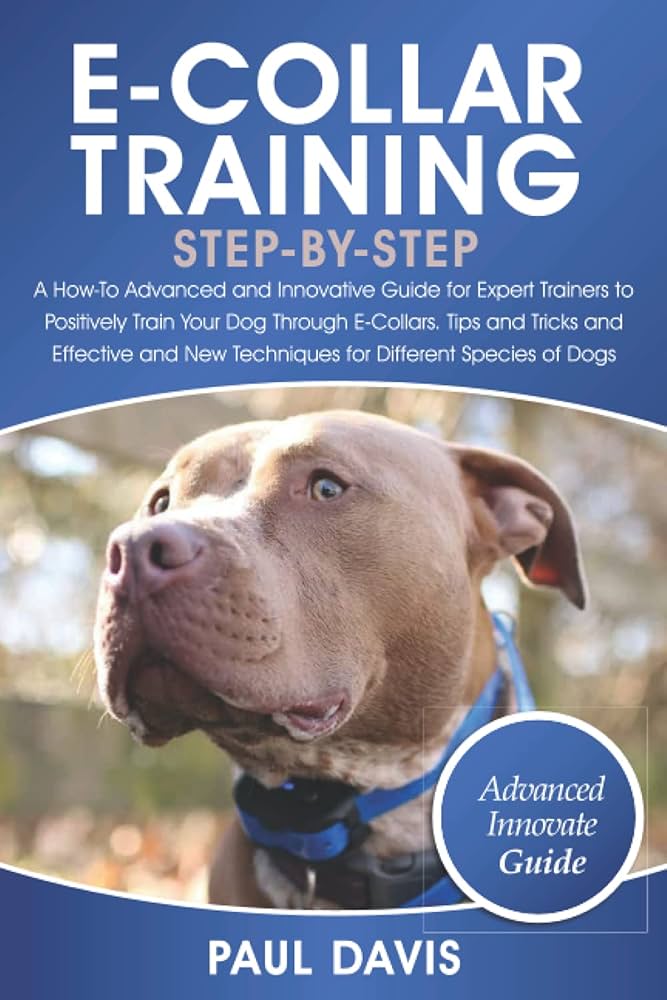
Using a dog training collar can feel like a big step, but when used correctly, it can be a powerful communication tool to enhance your dog’s training. The key isn’t the collar itself, but understanding how to use a dog training collar as a way to provide clear, consistent feedback. It’s about bridging the communication gap between you and your canine companion, not about punishment. Think of it as a way to get your dog’s attention, like a tap on the shoulder, allowing you to guide them toward better behavior. This guide will walk you through the process, ensuring you use this tool safely, humanely, and effectively.
Before diving in, it’s essential to recognize that these collars are just one part of a comprehensive training plan. They work best when paired with positive reinforcement, patience, and a deep understanding of your dog’s unique personality. For a deeper dive into specific techniques, exploring e collar dog training tips can provide valuable insights.
Understanding the Different Types of Training Collars
The term “dog training collar” is broad and covers several different types of tools. Each works differently and is suited for various training scenarios. Choosing the right one depends on your dog’s temperament, the behaviors you want to address, and your comfort level.
E-Collars (Electronic or “Shock” Collars)
Modern e-collars are far more sophisticated than their predecessors. They typically offer multiple modes, including audible tones, vibrations, and static stimulation. The goal is not to inflict pain but to use the lowest perceptible level of stimulation to interrupt an unwanted behavior and redirect your dog’s focus. A quality dog training e collar provides a wide range of levels, ensuring you can find a setting that is just enough to get your dog’s attention without causing distress.
Prong Collars
Prong collars, which look intimidating but are designed to be safe when used correctly, distribute pressure evenly around the dog’s neck. Unlike a flat collar that can put pressure on the trachea, a prong collar mimics the way a mother dog corrects her puppies—with a series of light nips. This tool can be particularly effective for strong pullers, but it is crucial to learn the proper fitting and usage from a professional. For those considering this option, understanding the mechanics of a prong dog training collar is the first step.
Slip Collars (Slip Leads)
A slip collar is a simple loop that tightens when the leash is pulled and loosens when tension is released. It’s a traditional tool used for teaching dogs not to pull on the leash. The key to using a dog training slip collar safely is the “snap and release” method—a quick, light correction followed by immediate slack in the leash. It should never be used to choke or drag the dog.
Before You Start: Essential Preparation
Jumping straight into using a training collar without preparation can lead to confusion for your dog and frustration for you. Laying the groundwork is essential for success.
Consult a Professional Trainer
Before you purchase or use any training collar, the most responsible first step is to consult a certified professional dog trainer. They can assess your dog’s specific needs, recommend the most appropriate tool, and, most importantly, show you the correct techniques for introducing and using it.
Ensure a Proper Fit
An ill-fitting collar is either ineffective or dangerous. A collar that is too loose won’t deliver a clear correction, while one that is too tight can cause physical harm and discomfort.
- E-Collars: The contact points must make light contact with the skin, not press into it. You should be able to fit two fingers between the strap and your dog’s neck. It should sit high on the neck, just behind the ears.
- Prong Collars: This collar should also sit high on the neck. It should be snug, not dangling. You should add or remove links to achieve a perfect fit.
- Slip Collars: It must be placed correctly to ensure it releases pressure instantly. When facing your dog, the leash should form a “P” shape before going over their head.
How to Use a Dog Training Collar: A Step-by-Step Guide
The introduction process is gradual and should be filled with positive associations. This isn’t a tool to be used in anger or frustration; it’s for calm, clear communication. The specific steps for how to use a shock collar for dog training can be nuanced, but the general principles apply to most training collars.
Step 1: Collar Introduction and Association
For the first week, have your dog wear the training collar (turned off, in the case of an e-collar) for short periods each day without using it. Associate it with positive things like treats, playtime, and walks. You want your dog to be completely comfortable wearing it before you ever apply a correction.
Step 2: Find the Lowest Working Level (For E-Collars)
With an e-collar, your goal is to find the lowest level of stimulation your dog can perceive. This is not the level that causes pain, but the one that makes them think, “What was that?” You can test this by setting the collar to its lowest level and tapping the button. Watch for a subtle reaction, like a slight ear twitch or a turn of the head. This is your “working level.”
Step 3: Layer the Collar with Known Commands
Start with a command your dog already knows well, like “Sit” or “Come.”
- Give the verbal command.
- As you say it, apply the light correction (a quick leash pop for a slip/prong collar, or a tap of the button on your e-collar’s working level).
- The moment your dog complies with the command, the pressure/stimulation stops, and you reward them with praise or a treat.
This process teaches the dog that they can turn off the sensation by performing the desired action.
According to Dr. Emily Carter, a leading canine behaviorist, “The timing of the correction is everything. The stimulation should be applied simultaneously with the command and released the instant the dog complies. This clear cause-and-effect relationship is what allows the dog to learn, rather than just become fearful.”
Step 4: Address Unwanted Behaviors
Once your dog understands how to “turn off” the collar’s sensation by performing a command, you can use it to interrupt unwanted behaviors like jumping, counter-surfing, or ignoring a recall.
- The moment the bad behavior starts, issue a correction and a verbal command like “Off” or “Leave it.”
- The instant the dog stops the behavior, the correction ends.
- Redirect them to a positive alternative and praise them for it.
Step 5: Fading the Collar
The ultimate goal is for your dog to obey commands without needing the collar. As your dog becomes more reliable, start giving commands without always using the collar for correction. Over time, it should become a backup tool used only for occasional reminders, until eventually, it’s not needed at all for most situations.
Common Mistakes to Avoid
- Using it for Punishment: The collar should be a tool for communication and correction, not for punishing your dog out of anger. This will only create fear and anxiety.
- Incorrect Timing: A correction that comes seconds after the behavior has occurred is useless. Your dog won’t connect the correction with their action.
- Inconsistent Use: If you only correct a behavior sometimes, your dog will become confused. Consistency is the foundation of all successful dog training.
- Relying on it Too Much: The collar should supplement your training, not replace it. Continue to use positive reinforcement, verbal commands, and praise as your primary methods.
Are Training Collars Safe?
This is a topic of much debate. When used by an educated and responsible owner under the guidance of a professional, training collars can be safe and effective. However, in the wrong hands, they have the potential for misuse and can cause both physical and psychological harm. The safety of the tool is almost entirely dependent on the person using it. It’s your responsibility to educate yourself thoroughly and always prioritize your dog’s well-being.
Alternatives to Training Collars
If you’re not comfortable using a corrective collar, there are many excellent alternatives.
- Positive Reinforcement: This method focuses exclusively on rewarding desired behaviors with treats, praise, or toys, and ignoring or redirecting unwanted behaviors. It’s a highly effective and popular training philosophy.
- Harnesses: For dogs that pull, a front-clip harness can be a game-changer. It redirects their forward momentum by turning them back towards you, discouraging pulling without putting pressure on their neck.
- Head Halters: These fit over your dog’s muzzle and work on the principle that where the head goes, the body will follow. They offer excellent control over strong dogs.
Frequently Asked Questions (FAQ)
What age can I start using a training collar?
Most trainers recommend waiting until a dog is at least 6 months old. Puppies are still developing and often respond well to positive reinforcement alone. It’s crucial they have a solid foundation of basic commands first.
Can a training collar make my dog aggressive?
If misused, yes. A collar used improperly can create fear, anxiety, and pain, which can lead to aggression. This is why professional guidance is so important to ensure you’re communicating effectively, not creating negative associations.
How long should my dog wear a training collar each day?
The collar should only be worn during active training sessions. For e-collars, it’s recommended to remove them after 8-10 hours to avoid skin irritation from the contact points. Never leave a corrective collar on an unsupervised dog.
Do vets recommend training collars?
Opinions vary in the veterinary community. Many vets prioritize force-free training methods first. However, some recognize that for certain persistent behavioral issues, a corrective collar can be a useful tool when used responsibly and as a last resort.
Can I use a training collar for barking?
Yes, they can be used for nuisance barking. The process involves applying a correction the moment the unwanted barking starts and stopping it when they are quiet. This teaches them that being quiet is the desired state.
Conclusion
Ultimately, knowing how to use a dog training collar is about fostering better communication and strengthening the bond you share with your dog. It’s a tool that demands respect, education, and a commitment to your dog’s welfare. When you approach it with patience and a focus on clear guidance rather than punishment, it can help you and your dog achieve a more harmonious relationship, built on understanding and mutual respect.
