
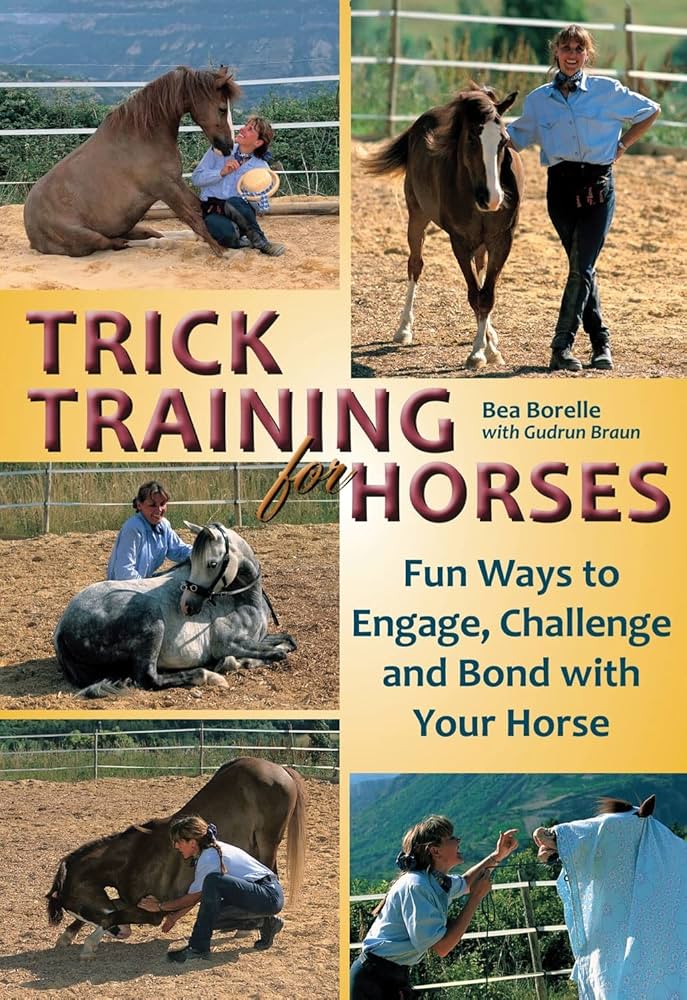
Have you ever watched a horse bow, smile, or hug its owner and wondered how they did it? The secret isn’t some ancient horsemanship magic; it’s a joyful process called trick training. Learning How To Trick Train A Horse is one of the most rewarding journeys you can embark on with your equine partner. It goes far beyond creating a cute photo opportunity; it’s a powerful way to build communication, deepen your bond, and provide your horse with stimulating mental enrichment that strengthens your entire relationship.
This guide will walk you through the foundational principles of trick training, focusing on positive, safe, and effective methods. We’ll explore why it’s so beneficial for your horse’s mind and your partnership, and then break down a few simple, fun tricks to get you started. This is a great starting point for anyone looking for new horse training tips and tricks.
Why Bother with Trick Training? More Than Just a Show
Trick training is often misunderstood as a frivolous pursuit, but it’s actually a cornerstone of good horsemanship that enhances groundwork and communication. When done correctly, it provides incredible benefits for both you and your horse.
- Strengthens Your Bond: The very act of working together on a fun, low-pressure task builds immense trust and communication. Your horse learns to see you as a source of interesting games and positive rewards, fostering a partnership built on cooperation rather than demand.
- Provides Mental Enrichment: Horses are incredibly intelligent animals that can suffer from boredom in a routine-heavy lifestyle. Trick training challenges their minds, encourages problem-solving skills, and prevents stall vices that stem from a lack of stimulation.
- Builds Confidence: For a nervous or shy horse, learning tricks can be a huge confidence booster. Successfully figuring out a “puzzle” and earning a reward shows them that trying new things is safe and fun. It also builds your confidence as a handler and trainer.
- Improves Groundwork: Many of the foundational skills of trick training—like targeting, moving away from pressure, and focusing on a handler—translate directly to better ground manners and more responsive handling in everyday situations.
The Golden Rules: Getting Started Safely and Effectively
Before you dream of your horse performing a perfect bow, you need to establish a solid foundation built on trust and clear communication. Rushing the process will only lead to frustration. These golden rules will set you up for success.
Positive Reinforcement is Key
The entire philosophy of modern trick training revolves around positive reinforcement. This means rewarding the desired behavior and ignoring the unwanted ones. When your horse does something right—even a tiny step in the right direction—you mark the moment and provide a reward.
Expert Insight from Dr. Eleanor Vance, Equine Behaviorist: “Positive reinforcement isn’t about ‘bribing’ the horse. It’s about clearly communicating, ‘Yes, that’s exactly what I wanted!’ This creates an eager, willing partner who actively participates in the learning process because they find it rewarding.”
Your reward can be a small, tasty treat (like a piece of carrot or a special horse cookie), a satisfying scratch on their favorite spot, or enthusiastic verbal praise.
Keep Sessions Short and Sweet
A horse’s attention span for learning a new, complex task is shorter than you might think. The most effective training sessions are brief, focused, and fun. Aim for 5-10 minute sessions at most. It’s far better to have a few short, successful sessions throughout the week than one long, frustrating one. Always end on a high note when your horse has just successfully performed a step, no matter how small. This leaves them feeling confident and eager for the next session.
The Power of the Clicker
A clicker is a small handheld device that makes a distinct “click” sound. In training, you teach the horse that the click means a reward is coming. This “marks” the exact moment they perform the correct action, making your communication crystal clear. To “charge” the clicker, simply click and immediately give a treat, repeating this about 10-15 times. Soon, your horse will understand that the sound of the click is a promise of a reward.
Three Easy First Tricks to Teach Your Horse
Ready to get started? Here are three simple but impressive tricks that are perfect for beginners. Remember to break each trick down into the smallest possible steps and reward every bit of progress. The principles learned here are similar to those used by top professionals like the famous corky randall horse trainer.
1. Target Touch: The Foundation of Everything
Teaching your horse to touch an object with their nose is one of the most useful and foundational skills you can impart. It’s the building block for countless other tricks.
- Step 1: Introduce the Target. Choose a safe, horse-friendly object as your target. A small cone, a pool noodle, or a plastic lid all work well. Hold it out towards your horse.
- Step 2: Reward Curiosity. The moment your horse shows any interest—a look, a sniff, or a touch—click and reward. Let them investigate at their own pace.
- Step 3: Build the Connection. Repeat this until your horse eagerly touches the target as soon as you present it. Once they master this, you can use the target to guide them into other positions, like lowering their head or turning.
2. The “Smile”: A Picture-Perfect Trick
This trick is always a crowd-pleaser and is surprisingly easy to teach.
- Step 1: Find the Spot. Gently use your finger to tickle or rub your horse’s upper lip and gums. This will naturally cause them to lift their lip.
- Step 2: Mark and Reward. The instant their lip curls up, even slightly, click and reward. Timing is everything here.
- Step 3: Add a Cue. Once your horse is reliably lifting their lip in response to your touch, you can add a verbal cue like “Smile!” right before you tickle them. Over time, they will associate the word with the action, and you can phase out the physical touch.
3. The Simple Bow: A Classic Move
A full, dramatic bow is an advanced trick, but a simple, polite bow is a great starting point that builds trust and flexibility. For more advanced movements, you can find inspiration by watching a liberty horse training youtube channel.
- Step 1: Head Down. First, teach your horse to lower their head. You can do this by holding a treat near the ground between their front legs. Click and reward when they lower their head to get it. Practice this until they lower their head on a simple verbal or hand cue.
- Step 2: Leg Forward. Next, teach them to lift a front leg. You can use a crop to gently tap their lower leg until they lift it. Click and reward the lift. Once they lift it reliably, you can gently hold the leg for a moment and stretch it slightly forward before releasing, rewarding the stretch.
- Step 3: Combine the Movements. Now, put it together. Ask for the “head down” cue. While their head is down, ask for the “leg forward” cue. The moment they do both, even imperfectly, give them a big reward! This is a complex behavior, so be patient and celebrate small successes.
Frequently Asked Questions (FAQ)
Q1: How long does it take to trick train a horse?
There is no set timeline. It depends on the horse’s personality, your consistency, and the complexity of the trick. The focus should be on the journey and bonding, not the deadline.
Q2: What are the best treats for trick training?
Small, low-sugar, and highly palatable treats are best. Think small pieces of carrot, special equine training bits, or hay pellets. The treat should be something they love but can eat quickly so you can move on with the session.
Q3: Is trick training bad for a horse’s joints?
When taught correctly, with proper warm-ups and without forcing the horse into unnatural positions, trick training is safe. For physically demanding tricks like a deep bow or lying down, it’s crucial to build up the horse’s strength and flexibility slowly. Always consult a vet if you have concerns about your horse’s physical limitations.
Q4: Will using treats make my horse nippy or pushy?
This is a common concern. To prevent this, establish clear rules. The horse only gets a treat after the “click” for a correct action. Never reward begging, nudging, or invading your space. Teach a “head away” cue where they learn to turn their head away from you politely to receive their reward. This establishes good manners from the start.
Q5: Can any horse learn tricks?
Yes! Any horse, regardless of age, breed, or discipline, can learn and benefit from trick training. You simply need to adapt the tricks and your approach to the individual horse’s physical abilities and temperament.
The Journey is the Reward
Learning how to trick train a horse is about so much more than the final performance. It’s about discovering a new language to share with your equine partner. It teaches patience, builds trust, and provides endless opportunities for fun and engagement. By focusing on positive reinforcement and celebrating every small step of progress, you will unlock a new level of partnership and create a bond that is truly magical. Now go have some fun
