
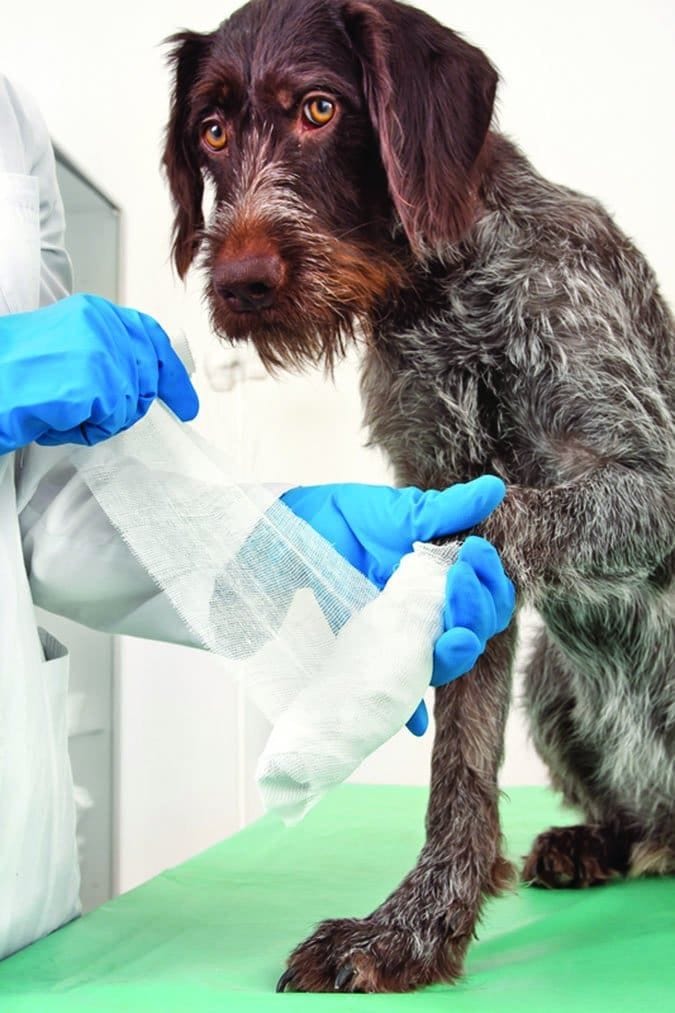
Your dog’s paw pads are their unsung heroes, protecting them from rough terrain, extreme temperatures, and impacts. However, like any part of the body, they can be susceptible to injuries such as cuts, tears, and burns. Understanding how to address a cut paw pad is essential for every dog owner to ensure their furry companion’s comfort and quick recovery. This guide provides detailed steps on how to treat your dog’s paw injury at home and when it’s crucial to seek professional veterinary care.
Understanding a Dog’s Paw Pads
A dog’s paw is equipped with specialized pads that are crucial for their mobility and overall well-being. There are three main types: the metacarpal pad (located on the hind leg’s upper part), the dewclaw pad (on the inner side of the front leg), and the metatarsal pad (on the hind leg). These pads act as natural shock absorbers, providing cushioning during activities like running and jumping, thus maintaining balance and stability. Furthermore, paw pads serve as a protective barrier against harsh environmental conditions, shielding your dog’s feet from burns on hot surfaces and frostbite on icy terrains, ensuring their paws stay healthy and resilient.
What to Do If Your Dog Has a Cut on Their Paw Pad
When you discover your dog has an injured paw, it’s important to act promptly and calmly. The first step involves a thorough examination of the paw pad to identify any foreign objects that might be embedded in the wound.
Examining and Removing Foreign Objects
Carefully inspect the pad for any sharp objects like glass, thorns, or debris such as gravel or grass. If any of these are found and appear loosely embedded, you can attempt to remove them gently using clean tweezers. However, if a large or deeply lodged object is present, do not attempt to remove it yourself. Instead, contact your nearest emergency vet immediately for guidance on safely transporting your dog to the clinic.
Cleaning the Wound
Proper cleaning is vital to prevent infection. You can use a solution of warm, soapy water in a bowl or bucket. Submerge your dog’s paw in the soapy water to clean the wound and help dislodge any remaining debris. Afterward, rinse the paw thoroughly with clean water. An alternative method is to use a hose to gently spray the paw with clean water, adding a small amount of liquid hand soap or dish soap to help kill bacteria. For a more antiseptic approach, rinsing the wound with a diluted chlorhexidine solution can also be effective.
Controlling Bleeding
Once you’ve ensured no foreign objects are worsening the cut, apply gentle pressure to the paw pad using a clean cloth or towel. For deeper cuts, bleeding might persist for a while. In such cases, a cold compress can help constrict the blood vessels and slow down the bleeding. Even minor grazes that may not bleed profusely still require thorough cleaning and care.
Assessing the Injury’s Severity
Minor cuts and scrapes on your dog’s paw pad can often be managed effectively at home. However, you should seek veterinary attention if the cut appears deep, ragged, or if debris remains lodged within it. Your veterinarian can properly clean and dress serious wounds. In some instances, antibiotics may be prescribed to combat potential infections. If you notice any signs of infection, such as redness, swelling, or discharge, prompt veterinary care is essential.
Bandaging the Paw
To protect the wound and aid healing, use non-stick sterile gauze pads to cushion the paw pad and absorb any blood. This will also help minimize your dog’s discomfort when walking. To secure the gauze, wrap the entire paw, from toes to ankle, using a self-adhering bandage like Vetwrap or Well & Good. These bandages are available at most pet supply stores and some even have a bitter flavor to deter chewing. Ensure the bandage is snug enough to stay in place but not too tight; you should be able to fit two fingers between the bandage and your dog’s skin. If the bleeding doesn’t slow or stop after applying the bandage, it’s time to head to the vet.
Healing Time for Paw Pad Injuries
The time it takes for a paw pad to heal depends on the severity of the injury.
Cut Paw Pads
For cut paw pads, consistent protection is key to faster healing. It’s important to keep your dog calm and prevent them from running excessively or chewing at the bandage. In some cases, an Elizabethan collar (cone) may be necessary to prevent the dog from accessing the injured paw. Even after the cut pad appears healed and no longer painful, it may remain tender and susceptible to re-injury. Exercise caution and consider using booties or protective footwear for added protection during activities.
Burnt Paw Pads
Dogs can suffer burns from hot surfaces, especially on extremely hot days. If you notice your dog excessively licking its paws, it might indicate a burn. Running cold water over the paws can help cool the burn and soothe the area. However, if you suspect a severe burn or if your dog’s condition doesn’t improve, seek veterinary attention promptly.
Should You Let Your Dog Lick a Cut Paw?
While a dog’s saliva has some antibacterial properties, allowing them to excessively lick a wound is generally not recommended. Excessive licking can reopen the wound, increase the risk of infection, and delay healing. Using a bandage can help prevent licking, but if your dog becomes fixated on the wound, an Elizabethan collar or similar device might be necessary until the paw pad fully heals.
When to Seek Veterinary Care
While minor paw pad injuries can often be treated at home, there are specific situations where immediate veterinary attention is necessary. Contact your veterinarian right away if you observe any of the following:
- Large or deeply embedded foreign objects that may require surgical removal.
- Discolored or foul-smelling discharge from the wound, which are signs of infection.
- Chemical burns or severe burns that need professional assessment and treatment.
- Excessive or uncontrolled bleeding that doesn’t stop with direct pressure.
- Deep lacerations that may require stitches or other advanced wound closure techniques.
Taking prompt and appropriate action can help your dog recover quickly and return to their normal, active life. If you are concerned about your dog’s paw injury, don’t hesitate to reach out to your local veterinarian for professional advice and care.
