
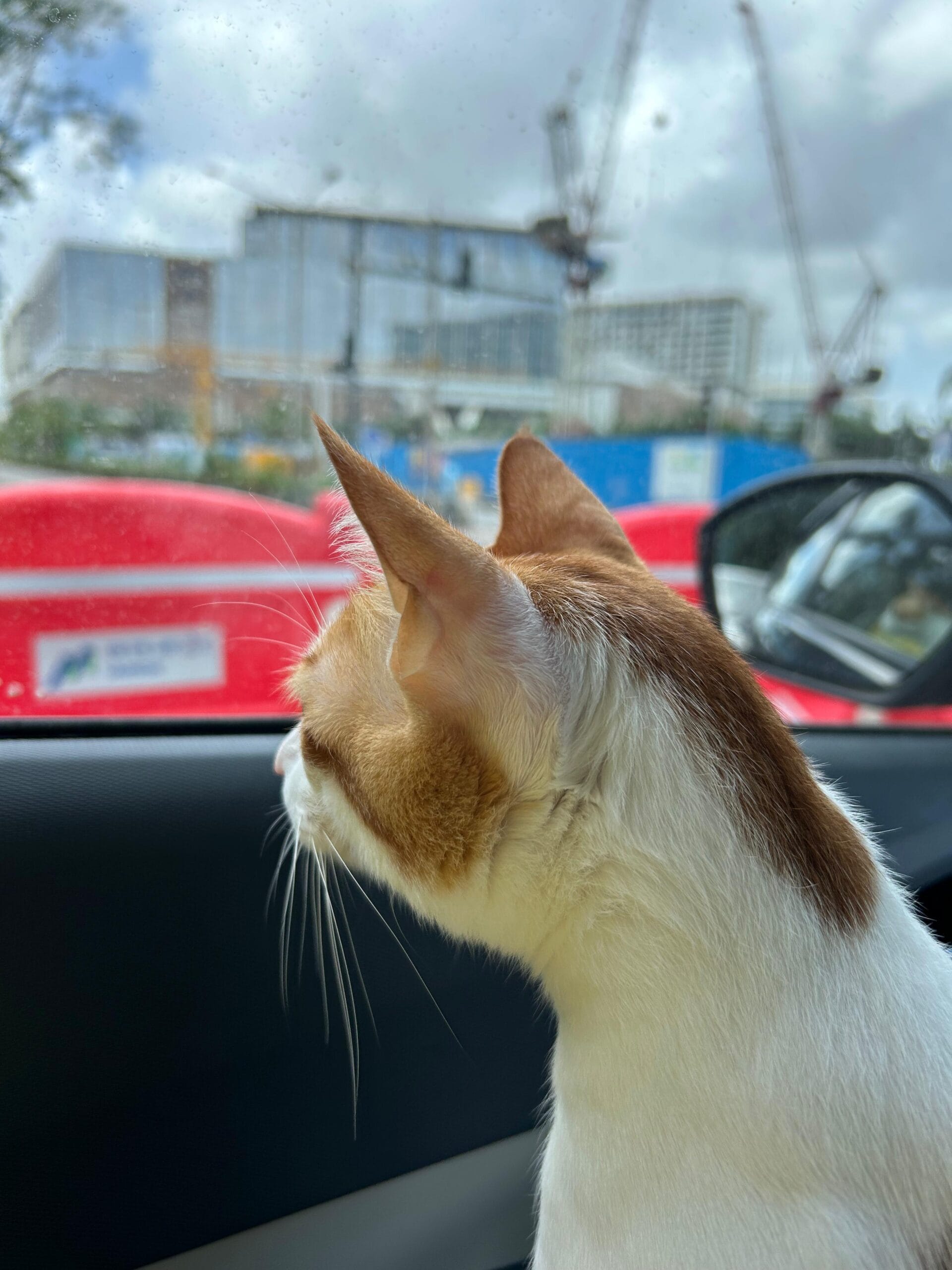
Traveling with your feline companion might seem daunting, but with careful planning and the right approach, cats can be excellent travel buddies. This guide, drawing from the experiences of avid travelers and cat lovers, offers practical advice on how to make journeys enjoyable and stress-free for both you and your cat, whether by car, train, or plane.
Traveling with Your Cat by Car
Car travel is often the most recommended method for taking your cat on a journey, as it offers the most control over your cat’s comfort and safety.
Planning Your Road Trip
Before embarking on your journey, solidify the details: your destination, travel duration, accommodation plans, and return trip. This foresight is crucial for accommodating your cat’s needs throughout the trip.
Acclimatizing Your Cat to Car Travel
- Practice Drives: If your cat is only accustomed to short trips to the vet, longer car rides can be a significant adjustment. Start with shorter practice drives to help your cat get used to the motion and environment of the car.
- Carrier Comfort: Your cat will spend a considerable amount of time in their carrier, making it essential that they feel comfortable and secure. Resources are available to help transform the carrier into a familiar, safe space for your cat. For adventurous outings, consider a carrier like “The Navigator” Earth Convertible Cat Backpack, which is ideal for hiking.
Essential Preparations
- Harness Training: Ensure your cat is comfortable wearing a harness. This is vital for safety, especially if you need to let them out of the carrier during stops. A secure harness, like “The True Adventurer” Reflective Cat & Kitten Harness, attached to a retractable leash, provides peace of mind.
- Potty Training for Travel: If your cat exclusively uses a litter box, getting them accustomed to relieving themselves outdoors is important. This preparation can prevent stress and discomfort during travel. Consider bringing a portable litter box, such as the “Travel Porta Pawty Litter Box,” for convenient potty breaks on the go.
Ensuring Safety on the Road
Prioritizing your cat’s safety is paramount when traveling by car.
Choosing the Right Carrier
A comfortable and sturdy carrier is non-negotiable. Options like “The Jackson Galaxy” Convertible Cat Backpack offer ample space for your cat to stand, move, or curl up, and can even convert into a horizontal carrier for stretching out on longer journeys. Good ventilation is also key, as cats are susceptible to overheating. If your cat seems warm, ensure good air circulation in the car, and if necessary, allow them to safely peek their head out of the carrier.
Secure Carrier Placement
Position the carrier securely on the floor of the car, ideally between your legs if you’re in the passenger seat, providing extra support. This prevents sliding or tipping. In a crowded car, placing the carrier on a middle seat between passengers or on your lap in the backseat can offer a sense of security for your cat. Buckling the carrier can provide additional safety.
Smart Handling Outside the Carrier
While it’s tempting to let your cat roam freely, it’s safest to keep them in their carrier while the car is in motion. If you stop, you can allow supervised exploration within the car, ensuring they are safely harnessed. This prevents potential distractions for the driver and avoids the risk of your cat escaping if a door is opened unexpectedly.
Keeping Your Cat Comfortable During Long Drives
Long car rides can be stressful for cats. The following tips can help make the experience more pleasant.
Packing Essentials
Pack your cat’s favorite items, including treats, blankets, and toys, to provide comfort and familiarity. A portable scratcher or play tent can be useful for use at your destination. Ensure you pack an ample supply of food and water.
Managing Potty Breaks
While cats can often hold their bladder and bowels for extended periods, regular breaks are essential, especially on long drives. If your cat becomes restless, offer a short break outside the carrier for stretching and comfort.
Addressing Travel Anxiety
For cats prone to anxiety, consider natural remedies. While sedatives should only be used under veterinary guidance, options like flower essence tinctures, CBD oil, or pheromone sprays can help ease fear and stress. “Easy Traveler: An All-Natural Holistic Solution by Jackson Galaxy” is a recommended option.
The Role of the Carrier Cover
Covering the carrier with your cat’s favorite blanket can create a den-like atmosphere, promoting a sense of security. This taps into their natural instinct to hide when feeling anxious.
Litter Box Solutions
Avoid placing a litter box directly inside the carrier. Instead, set up a portable litter box in the car during stops. Products like “The Porta-Pawty” Travel Litter Box are designed for easy packing and odor control. For added protection against accidents, consider lining the bottom of the carrier with a pee pad covered by a blanket.
Traveling with Your Cat by Train
Train travel can be a cost-effective and enjoyable option for traveling with cats, though it comes with specific regulations.
Understanding Train Policies
Many train services, like Amtrak in the US, allow pets with a reasonable fee. However, there are often strict combined weight limits for the animal and carrier. It’s advisable to book in advance, as the number of pets allowed per train is limited. Carriers like “The Boop Coop” Collapsible Travel Cat Crate & Carrier offer a sturdy yet compact option.
Adhering to Regulations
Pets are typically required to remain in their carriers for the entire journey. Emotional support animal documentation may not always be honored. Plan for potential time limits on how long animals can stay on board, and consider the overall travel time, as trains can be slower than other modes of transport. For example, a seemingly short distance might involve a lengthy and complicated journey, making flying a more practical choice.
Traveling with Your Cat by Plane
Flying with your cat is more feasible than many anticipate, with proper preparation.
Airline Pet Policies
Most airlines permit cats as carry-on passengers for an additional fee, but limits on the number of animals per flight exist. Always confirm with the airline whether pet carriers are allowed onboard or if your cat must be checked as luggage – the latter is strongly discouraged due to the potential trauma for the cat.
Carrier Size Compliance
Ensure your carrier meets the airline’s specific size requirements. Many cat backpacks, including those designed for air travel like “The Odyssey” Soft Cat Carrier, comply with airline regulations. However, variations in aircraft design can sometimes pose challenges, requiring creative solutions to ensure the carrier fits securely.
Age and Breed Restrictions
Airlines typically have minimum age requirements for cats (usually 10-15 weeks) and may restrict certain breeds with brachycephalic (snub) noses due to potential breathing difficulties at altitude. Always verify these regulations with your chosen airline.
Vaccination Records
Up-to-date rabies vaccinations are crucial, and airlines may require proof of vaccination. Prepare to present the vaccination record at check-in. International travel may involve additional vaccination requirements, so research your destination’s regulations well in advance.
Ultimately, learning how to travel with your cat can significantly enhance your travel experiences. With the right precautions, supplies, and a focus on your cat’s comfort, exploring the world with your feline companion by your side can be a rewarding adventure.
