
Bringing a new kitten into your home is an exciting experience, filled with playful antics and adorable moments. However, many new pet parents find themselves dealing with a common challenge: biting and scratching. While these behaviors are natural for kittens as they explore and learn, understanding why they happen is the first step to effectively managing them. This guide will help you navigate these behaviors, ensuring a harmonious relationship with your feline friend.
Kittens explore the world with their mouths and paws, and biting and scratching are innate behaviors that help them learn, communicate, and play. It’s crucial to remember that these actions are not typically malicious. Instead, they stem from a variety of needs and instincts, including play, overstimulation, or even discomfort. By recognizing the underlying causes, you can implement gentle yet firm strategies to redirect these behaviors and foster positive interactions.
Understanding Kitten Behavior: The Roots of Biting and Scratching
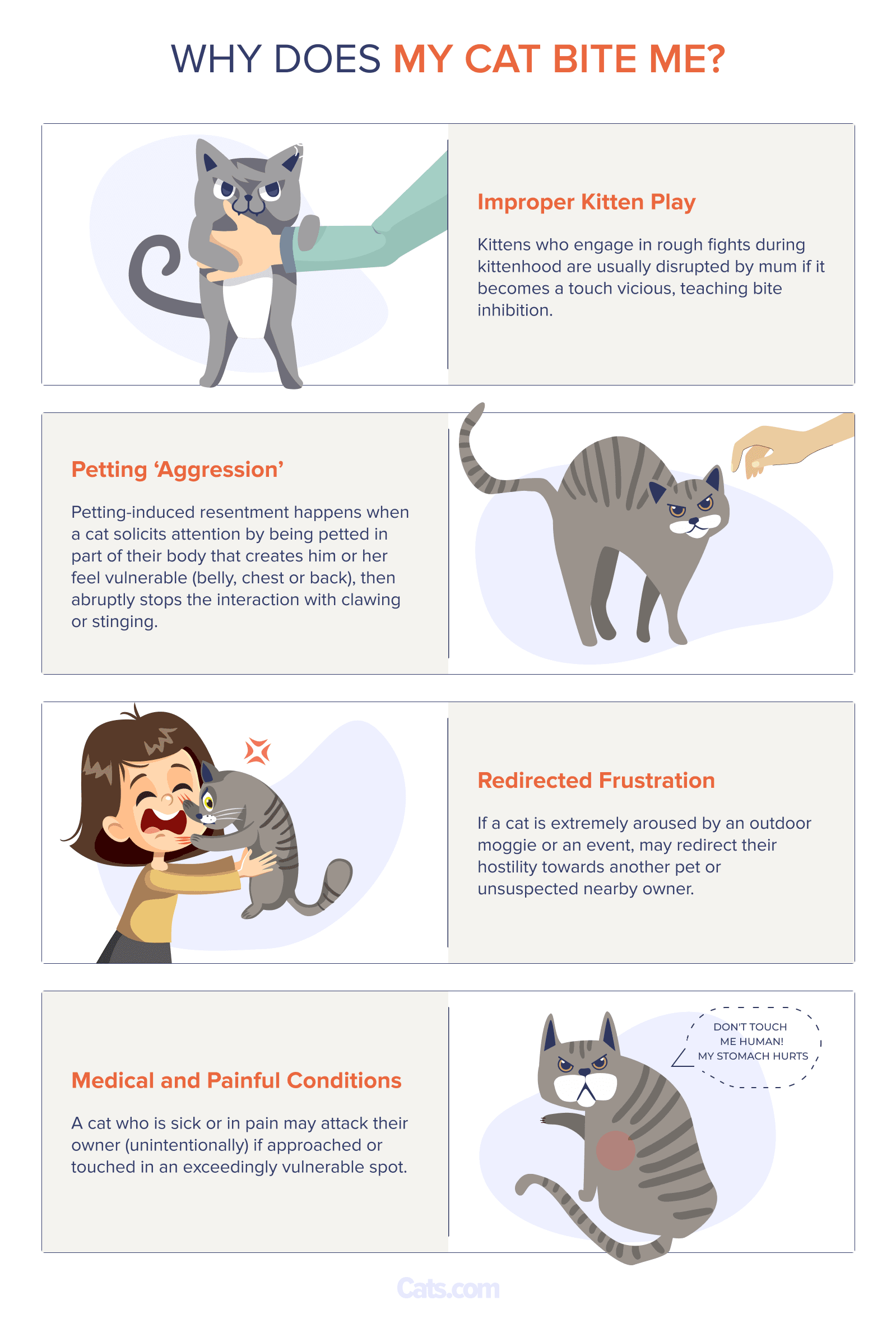
Kittens naturally engage in biting and scratching during play with their littermates. They learn bite inhibition from their mother and siblings; if a kitten bites too hard, the other kitten will yelp and withdraw, teaching them to moderate their pressure. When kittens are separated from their mothers and littermates too early, they may not have fully developed these inhibition skills.
Play-Based Biting and Scratching
Often, a kitten’s biting and scratching are simply part of their playful nature. They might pounce on your hands or feet, mistaking them for toys. This is particularly common if they don’t have enough appropriate toys to direct their energy towards.
Overstimulation
Kittens, much like puppies, can become overstimulated. Excessive petting, especially in sensitive areas, or prolonged play sessions can lead to a sudden burst of nipping or scratching. This is their way of signaling that they’ve had enough and need a break.
Teething
As kittens grow, they experience teething, similar to human babies. This can cause discomfort in their gums, leading them to chew or bite on anything available, including fingers.
Fear and Anxiety
A kitten that feels scared, threatened, or anxious may resort to biting or scratching as a defense mechanism. This can be triggered by loud noises, unfamiliar people or pets, or a sudden change in their environment.
Pain or Medical Issues
If a kitten’s behavior changes suddenly, becoming unusually aggressive, it’s essential to consider if they might be in pain or experiencing a medical issue. Conditions affecting their mouth, gums, or any other part of their body can cause them to lash out when touched or approached.
Effective Strategies to Manage Biting and Scratching
Successfully redirecting a kitten’s biting and scratching requires patience, consistency, and understanding. The goal is to teach them what is acceptable and what is not, without causing them fear or distress.
Redirect Playfulness to Toys
The most effective way to curb play biting and scratching is to redirect it to appropriate outlets. Ensure your kitten has a variety of toys, such as feather wands, crinkle balls, and puzzle feeders. When your kitten attempts to bite or scratch your hands or feet, immediately redirect their attention to a toy. This can help train your kitten to poop outside by teaching them where to focus their energy.
Establish Clear Boundaries with a Firm “No”
When your kitten bites or scratches too hard during play, a sharp, clear “No!” can be effective. Immediately withdraw your attention for a short period. This mimics the response they would receive from a littermate and teaches them that rough play leads to the end of the fun. Avoid shouting or physically punishing the kitten, as this can induce fear and anxiety, potentially worsening the behavior.
Provide Ample Opportunities for Play and Enrichment
A bored or under-stimulated kitten is more likely to engage in undesirable behaviors. Ensure your kitten has plenty of toys, scratching posts, and climbing structures. Interactive play sessions with feather wands or laser pointers (used responsibly, ending with a tangible toy) can help expend their energy and satisfy their predatory instincts. This also helps them feel secure, which can lessen anxious biting or scratching.
Gentle Handling and Positive Reinforcement
Handle your kitten gently and always be mindful of their body language. If you notice signs of overstimulation, such as a twitching tail or flattened ears, stop petting and give them space. Reward calm and gentle behavior with praise, treats, or gentle petting. Positive reinforcement is far more effective than punishment in shaping a kitten’s behavior.
Regular Nail Trimming
Regularly trimming your kitten’s claws can significantly reduce the impact of any accidental scratches. Get your kitten accustomed to nail trims from a young age. Start by gently pressing on their paws to extend the claws and reward them for their tolerance. Gradually trim the very tip of the nail, avoiding the quick (the pink part inside the nail), which contains blood vessels and nerves.
Create a Safe and Secure Environment
A kitten that feels safe and secure is less likely to bite out of fear or anxiety. Ensure they have a quiet, comfortable space to retreat to. Maintain a consistent routine for feeding, playing, and grooming, as this predictability helps them feel secure. If there are new additions to the household, whether human or animal, introduce them gradually and supervise interactions. Can you train cats to use the toilet? Learning new behaviors requires a secure environment.
Seek Veterinary Advice When Necessary
If your kitten’s biting or scratching is sudden, excessive, or accompanied by other concerning symptoms, a veterinary check-up is crucial. Pain or underlying medical conditions can manifest as aggressive behavior. A veterinarian can rule out any health issues and offer tailored advice for your kitten’s specific needs.
The Importance of Patience and Consistency
Building a positive relationship with your kitten involves understanding their developmental stage and providing consistent guidance. By applying these strategies with patience and consistency, you can help your kitten learn appropriate behaviors, ensuring they grow into a well-adjusted and affectionate companion. Remember, a consistent pet parent makes for a happy household, especially when it comes to young kittens. Embrace the journey of understanding your kitten’s unique personality and needs.
