
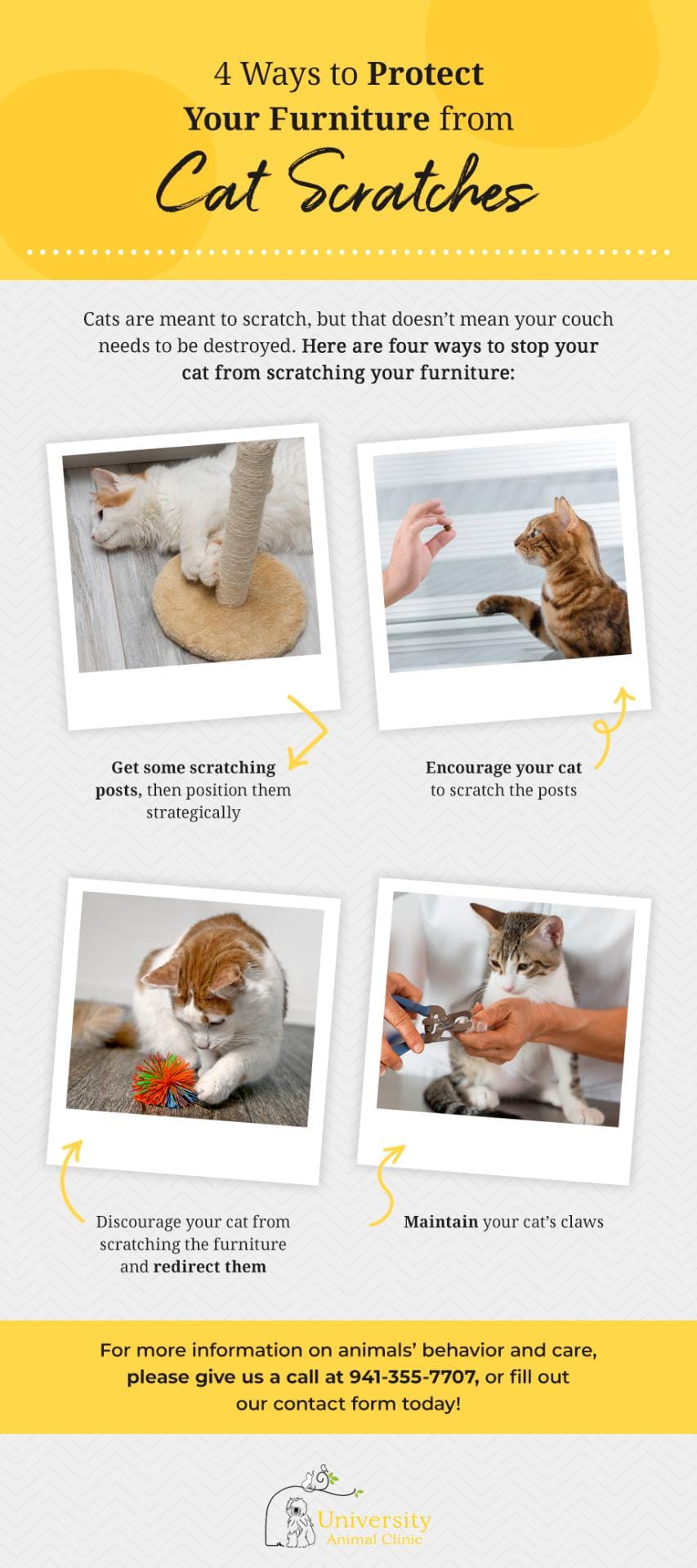
Scratching is a fundamental and instinctual behavior for all cats. It’s not an act of defiance or destruction, but rather a vital part of their physical and mental well-being. Understanding why cats scratch is the first step in managing this behavior effectively and preventing damage to your home. This guide will explore the reasons behind scratching and provide practical, humane strategies to redirect your feline friend’s natural instincts.
The Natural Instinct to Scratch
Cats possess sharp claws that are essential for climbing, hunting, and self-defense. Scratching serves several critical purposes:
- Nail Maintenance: It’s a way for cats to shed the outer, dead layer of their claws, revealing a sharp new nail underneath.
- Stretching and Exercise: The act of scratching allows cats to stretch their bodies, flexing the muscles in their paws, legs, and back.
- Territorial Marking: Cats have scent glands in their paws that leave a scent marker when they scratch, communicating their presence to other cats. They also leave visual marks as a territorial signal.
It’s important to remember that your cat is not trying to upset you when they scratch furniture. They are simply engaging in a natural behavior that fulfills their needs. The key is not to stop scratching, but to redirect it to appropriate surfaces.
Six Effective Ways to Redirect Cat Scratching
Successfully redirecting your cat’s scratching behavior requires patience and a multi-faceted approach. Here are several strategies you can implement:
1. Provide Appealing Scratching Posts and Furniture
The most effective way to redirect scratching is to offer attractive alternatives. Place scratching posts and furniture in areas where your cat already likes to scratch, such as near your sofa or in prominent living spaces. You can also designate a specific area for scratching posts, perhaps in a room where your cat spends a lot of time. To make these posts more enticing, consider using catnip spray or other feline-attracting scents.
2. Offer a Variety of Scratching Textures and Orientations
Cats have preferences for different scratching surfaces. Provide a diverse range of textures, including sisal rope, carpet, corrugated cardboard, and natural wood. These materials often mimic the feel of tree bark, which cats naturally gravitate towards. Additionally, offer scratching surfaces with various orientations:
- Vertical: Tall posts that allow for a full stretch.
- Horizontal: Flat scratchers that cats can lie on.
- Slanted: Angled scratchers that provide a different stretching angle.
Experiment with different types to discover what your cat prefers.
3. Utilize Humane Deterrents
To discourage scratching on unwanted items, you can use humane deterrents. Applying double-sided sticky tape or aluminum foil to furniture legs or corners can make these surfaces less appealing. Many cats dislike the scents of menthol or citrus, which can also be used as deterrents (ensure they are safe for pets). Another option is motion-activated deterrents that emit a harmless burst of air, startling the cat away from the area. Crucially, always ensure that you have provided an acceptable scratching alternative before using deterrents. The goal is to redirect, not to punish. Never use any method that could physically harm your cat, such as spraying them with water or hitting them.
4. Trim Your Cat’s Claws Regularly
Regularly trimming your cat’s claws can significantly reduce the damage they cause and may lessen their urge to scratch excessively. Use sharp, high-quality nail trimmers designed for cats to ensure a clean cut and avoid crushing the nail. Replace your trimmers when they become dull. If you are unsure about how to trim your cat’s claws safely, consult your veterinarian or a professional groomer for a demonstration.
5. Engage Your Cat with Ample Toys and Playtime
Sometimes, scratching can be a way for cats to release pent-up energy and frustration. Providing a variety of engaging toys and dedicating time for interactive play sessions can help alleviate this. When cats are tired and content after a good play session, they are less likely to engage in destructive scratching. Interactive toys, feather wands, and puzzle feeders can keep your cat mentally and physically stimulated. You can learn more about how to train your cat no to redirect unwanted behaviors.
6. Consider Nail Caps
Nail caps are soft plastic covers that are glued onto a cat’s claws. They effectively prevent damage from scratching while allowing the cat to go through the motions of the scratching behavior. Nail caps need to be reapplied as the cat’s nails grow. They come in various colors, offering a touch of personalization. However, if your cat shows significant distress or discomfort with the caps, do not force them.
The Importance of Avoiding Declawing
It is crucial to understand that declawing is not a humane alternative to managing scratching behavior. Declawing is a surgical procedure that involves the amputation of the last bone of each toe. This is akin to a human losing the tip of their finger. It is a painful and unnecessary procedure that can lead to lifelong physical and behavioral problems for cats, including chronic pain, litter box avoidance, and increased biting. Responsible pet ownership means finding humane and effective ways to coexist with your cat’s natural instincts. Learn why declawing is needless and inhumane and opt for ethical alternatives.
If you continue to struggle with redirecting your cat’s scratching, consider consulting a certified cat behaviorist. They can assess your cat’s specific needs and provide tailored advice and strategies. For further insights into feline behavior, explore our Cat Behavior Webinar Series.
Managing your cat’s scratching behavior is an ongoing process that requires understanding, patience, and consistent effort. By providing appropriate outlets and employing humane redirection techniques, you can ensure a harmonious living environment for both you and your beloved feline companion.
