
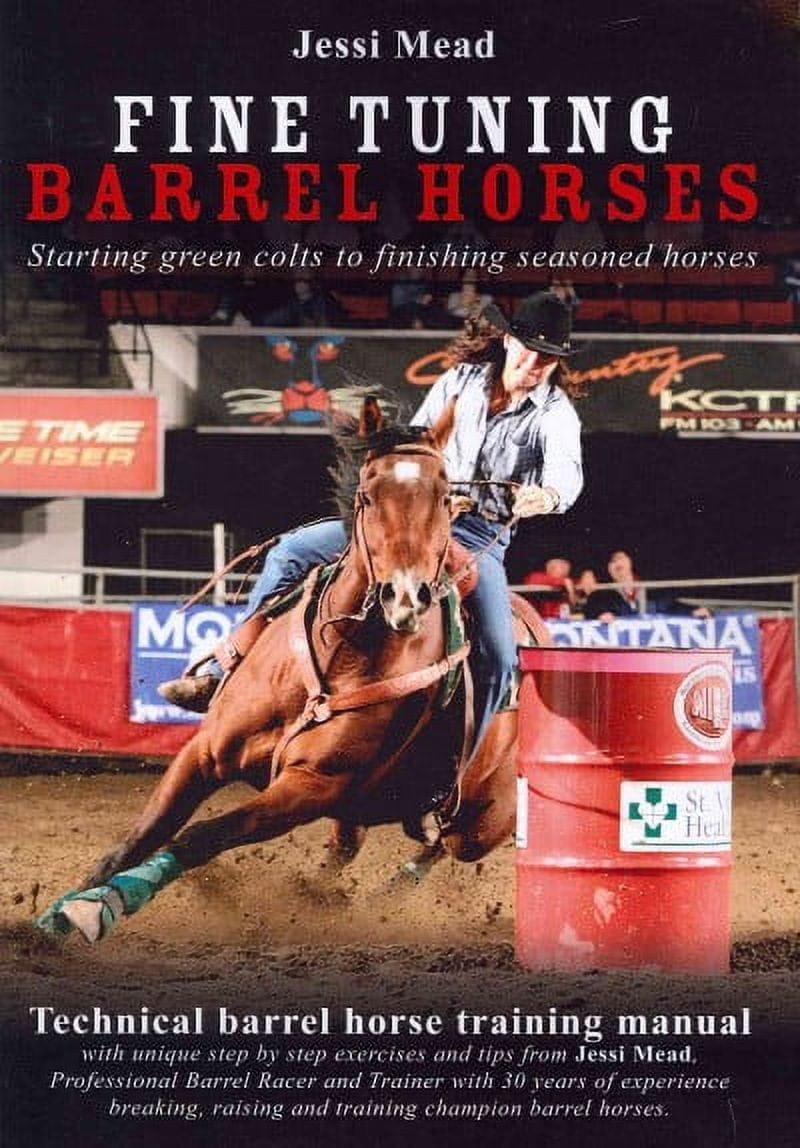
Barrel racing is more than just a sport; it’s a thrilling partnership between horse and rider, a dance of speed, agility, and trust. For those looking to excel in this dynamic discipline, understanding How To Train Your Horse To Barrel Race is paramount. This journey requires patience, consistency, and a deep connection with your equine partner. Whether you’re a seasoned rider or just starting, this guide will walk you through the essential steps to cultivate a successful barrel racing horse.
The foundation of any successful barrel racing campaign lies in a solid understanding of basic horsemanship. Before even approaching the pattern, your horse needs to be comfortable with aids, responsive to your cues, and possess a good work ethic. This involves consistent training in groundwork and riding, focusing on developing a willing and obedient partner. A horse that understands basic commands and respects its rider is far more likely to succeed in the demanding environment of barrel racing.
Understanding the Barrel Racing Pattern and Your Horse’s Strengths
The barrel racing pattern itself is a cloverleaf design, requiring the horse to make three sharp turns around barrels placed in a specific configuration. Each turn is a critical element, demanding responsiveness, balance, and speed. As you begin training, it’s crucial to understand the nuances of this pattern and how your horse’s individual strengths and weaknesses can be leveraged.
Some horses are naturally quick and agile, excelling at sharp turns. Others might have more speed but require more encouragement to lean into a turn. Observing your horse during early training sessions will provide invaluable insights. Are they naturally keeping their head low through turns? Do they anticipate the next barrel? Identifying these traits will help you tailor your training approach and focus on specific areas for improvement.
Laying the Groundwork: Essential Horsemanship Skills
Before you introduce barrels, focus on refining your horse’s responsiveness to aids. This includes:
- Lead Changes: Smooth and prompt lead changes are crucial for efficient turns. Practice flying lead changes and counter-canter work.
- Collection and Extension: Your horse should be able to shorten their stride for tighter turns and lengthen it for speed down the straightaways. Work on transitions between gaits and within gaits.
- Lateral Exercises: Exercises like leg yields, shoulder-ins, and haunches-in help develop suppleness and responsiveness to subtle cues, which are vital for navigating tight turns. This focus on suppleness is key to preventing injuries and ensuring fluid movement.
- Stop and Go: A reliable stop and a quick, willing departure are fundamental. Practice emergency stops and controlled, prompt starts.
Introducing the Barrels: A Step-by-Step Approach
Once your horse has a solid foundation, you can begin introducing the barrels. The key here is to make it a positive and progressive experience.
First Encounters: Desensitization and Familiarization
- Barrel Placement: Start by placing barrels in a straight line or a very large circle, far apart. Allow your horse to simply walk around them at liberty or on a long lead. The goal is to desensitize them to the presence of the barrels.
- Longeing: Longe your horse around a single barrel at the walk and trot. This allows them to get a feel for turning without the added complexity of a rider. Focus on a smooth, consistent arc.
- Ridden Pass-By: Ride your horse past a barrel at a walk and trot. Reward them for remaining calm and focused. Gradually decrease the distance between your horse and the barrel.
Developing the Turn: Guiding Your Partner
- Large Circles Around a Barrel: Begin riding in large circles around a single barrel at the trot and canter. Focus on your body position and cues to guide your horse through the turn. Your cues should be subtle yet clear.
- Approaching the Barrel: As your horse becomes more comfortable, start practicing approaching the barrel at a collected canter. Your goal is to set up the turn so your horse naturally bends their body around the barrel. This often involves aiming for a point a few feet past the barrel.
- Using Your Body: Learn to use your body to help your horse turn. Your inside leg guides them around the barrel, your outside leg prevents them from falling out, and your upper body initiates the turn. Consistent and correct body language is crucial for effective communication.
Refining Speed and Agility
- Adding Speed Gradually: Once your horse is reliably turning barrels, begin to gradually add speed. Do this in short bursts, rewarding the horse for maintaining form and responsiveness. Rushing the process can lead to mistakes and resistance.
- Pattern Practice: Start riding the full cloverleaf pattern at a slower pace. Focus on smooth transitions between barrels and efficient lines. Identify areas where your horse is hesitant or loses momentum.
- Drills and Exercises: Incorporate drills that mimic the demands of the pattern. For example, practice sharp turns from a standstill or figure-eights to improve agility. Practicing training your horse to side pass can also enhance their ability to move laterally, which is beneficial in tight turns.
The Importance of Horse Health and Conditioning
Training a barrel horse is physically demanding. Proper conditioning is essential to prevent injuries and ensure your horse performs at its peak.
- Fitness Program: Develop a progressive fitness program that includes cardiovascular work, strength training, and flexibility exercises. This should be tailored to your horse’s age, breed, and current fitness level.
- Nutrition: A balanced diet is critical for providing the energy and nutrients your horse needs for training and competition. Consult with a veterinarian or equine nutritionist to determine the best feeding plan.
- Rest and Recovery: Adequate rest and recovery periods are just as important as training. Overtraining can lead to fatigue, burnout, and injuries. Listen to your horse and provide downtime when needed.
Advanced Techniques and Fine-Tuning
As you and your horse progress, you can focus on advanced techniques to shave off precious seconds:
- The “Pocket” Turn: This is the ideal turn where the horse’s hindquarters stay tight to the barrel, allowing for a quicker exit. It requires precise timing and rider input.
- Reading Your Horse: Learn to anticipate your horse’s reactions and adjust your cues accordingly. A good barrel racer is constantly communicating with their horse, making micro-adjustments throughout the run.
- Mental Conditioning: Barrel racing can be mentally taxing for both horse and rider. Ensure your horse remains focused and confident, especially in high-pressure environments. Positive reinforcement and clear communication build this confidence.
Common Challenges and Solutions
- Horse Runs Off: If your horse is running past the barrel or not turning tightly, go back to basics. Ensure the horse understands the cue to turn and is physically capable of doing so. Use large circles and reward good attempts.
- Horse Drags Toes/Loses Balance: This often indicates a lack of collection or suppleness. Increase lateral work and exercises that encourage engagement of the hindquarters. Ensure the horse is not being rushed through the turn.
- Horse Becomes Gated/Fearful: This is a sign of being pushed too hard, too fast. Slow down, go back to desensitization exercises, and rebuild confidence with positive experiences. Ensure the environment is as calm as possible.
Conclusion: A Journey of Partnership and Progress
Training a horse for barrel racing is a rewarding and continuous journey. It’s a testament to the bond between horse and rider, built on mutual respect, understanding, and countless hours of dedicated practice. By focusing on a strong horsemanship foundation, employing a progressive training approach, and prioritizing your horse’s health and well-being, you can unlock their full potential and experience the exhilarating world of barrel racing. Remember, consistency, patience, and a positive attitude are your greatest assets in this exciting equestrian pursuit. For more on equestrian sports, exploring topics like horse racing name search can offer broader insights into the competitive equestrian world.
