
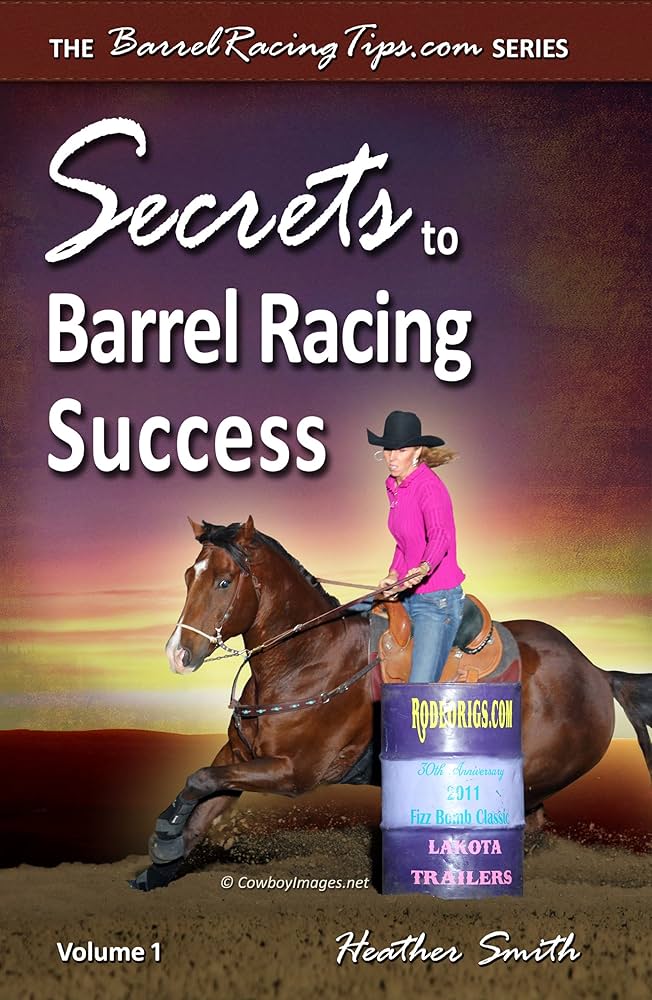
Embarking on the journey of barrel racing is an exhilarating commitment, demanding a symphony of speed, agility, and a near-telepathic connection between horse and rider. It’s far more than a race against the clock; it’s the culmination of countless hours of dedicated training, patience, and building an unbreakable partnership. Learning How To Train Your Horse For Barrel Racing is not just about teaching a pattern, but about cultivating an athletic, responsive, and confident partner ready to give their all between the timers. This comprehensive guide will walk you through the essential steps, from laying a solid foundation to fine-tuning for competitive success.
At its core, barrel racing is a discipline built on fundamentals. Before you even look at a cloverleaf pattern, your horse needs a solid educational foundation. This process is a testament to the idea that slow and steady truly wins the race. The initial phase of training focuses on creating a supple, responsive, and mentally engaged horse. Much like effective quarter horse training, success in the barrel pen begins with exceptional groundwork and under-saddle basics. This foundational work ensures your horse understands cues, moves correctly off leg and rein pressure, and trusts you as their leader.
The Foundation: More Than Just Speed
Before chasing seconds off the clock, you must build a horse that is physically and mentally prepared for the demands of the sport. This stage is arguably the most critical and sets the tone for your entire career.
Choosing Your Barrel Racing Partner
While any breed can technically run barrels, certain qualities make a horse more suited for the sport. Look for a horse with a strong build, good bone structure, and powerful hindquarters. A shorter back often contributes to the agility needed for tight turns. Temperament is paramount; you need a horse with a willing attitude, a good work ethic, and the ability to handle pressure. They should be “cowy” or “ratey,” meaning they have a natural inclination to rate speed and turn.
Essential Groundwork Exercises
The journey to a fast, clean run starts on the ground. These exercises build respect, control, and the core physical skills your horse will need.
- Collection and Flexion: Your horse must learn to carry itself in a collected frame, breaking at the poll and engaging its hind end. This is the “power steering” that allows for snappy, controlled turns. Practice gentle flexing exercises from a standstill, asking your horse to soften and give to the bit on each side.
- Backing: A horse that backs willingly and smoothly is responsive to your cues. Backing helps them engage their hindquarters, a crucial element for collecting and powering out of a turn.
- Sidepassing: This exercise is invaluable for control. Sidepassing teaches your horse to move laterally off your leg pressure, which is essential for adjusting your position between barrels and ensuring you’re in the right pocket for a turn.
Riding Fundamentals: The Under-Saddle Classroom
Once your horse is soft and responsive on the ground, translate those skills into your riding. Focus on creating a balanced and supple athlete.
- Circles and Arcs: The ability to arc the body is non-negotiable for wrapping a barrel. Practice circles of all sizes at the walk, trot, and lope. Focus on a correct bend, where the horse’s body follows the curve of the circle from nose to tail. Your inside leg should encourage the bend in their ribcage, while the outside rein and leg provide support.
- Moving in Straight Lines: As important as turning is, the shortest distance between two barrels is a straight line. Many riders focus so much on circles that the horse struggles to travel straight and efficiently. Practice riding from one point of the arena to another, focusing on keeping your horse perfectly straight and balanced.
Mastering the Pattern: A Step-by-Step Guide
With a solid foundation, you can now introduce the cloverleaf pattern. The key at this stage is to prioritize correctness over speed. Rushing this process is the fastest way to create bad habits that are incredibly difficult to undo. The answer to how long does it take to become a horse trainer is a lifetime, and patience in this phase is a hallmark of a great one.
1. Walking the Pattern
Begin by walking the pattern perfectly. Your focus should be on hitting the correct spots for your turns, maintaining a consistent arc, and keeping your horse calm and relaxed. Do this repeatedly until it becomes second nature for both of you. Walk it until you are bored, and then walk it a few more times.
2. Trotting with Purpose
Once the walk is perfect, transition to a trot. Maintain the same focus on correctness: perfect circles around the barrels, straight lines between them, and a calm demeanor. Use this gait to teach your horse where to place their feet and how to position their body for a turn. This is where they learn the fundamentals of rating—adjusting their stride as they approach the barrel.
3. Loping with Control
When you can trot the pattern flawlessly, you can move up to a slow, controlled lope. This is not about speed; it’s about control and consistency. Ensure your horse is on the correct lead and maintains their frame throughout the pattern. If they become excited or sloppy, immediately return to a trot or walk until they are relaxed and focused again.
According to equine behaviorist Dr. Sarah Miller, “Horses are masters of muscle memory. Every slow, perfect pattern you complete is a deposit in the bank of good habits. Rushing to add speed before the foundation is set is like building a house on sand; it will inevitably crumble under pressure.”
The Need for Speed: Building and Controlling Momentum
Only when your horse can execute the pattern perfectly at a lope, staying calm and collected, should you begin to ask for more speed. Adding speed is a gradual process, not an overnight switch.
Controlled Speed Drills
Introduce speed in short bursts. Lope the pattern and, on the straightaways between barrels, ask for a bit more speed. As you approach the turning pocket for the next barrel, bring your horse back to a controlled lope. This teaches them to run hard and then rate back to listen to you for the turn.
The Rider’s Role
Your body position is critical. As you ask for speed, sink deep into your saddle to stay secure and provide clear cues to your horse. Your eyes are your steering wheel; look where you want to go. As you approach a barrel, your eyes should already be focused on the spot you’ll be heading to for the next barrel. This subtle shift helps guide your horse through the turn. Many top riders come from areas with a rich equestrian culture, and you’ll often find a top-tier horse trainer in Texas emphasizing these subtle yet crucial rider mechanics.
Peak Performance: Conditioning and Care
A barrel horse is a high-performance athlete and must be treated as such. A proper conditioning program is essential to prevent injuries and ensure they can perform at their best.
- Cardiovascular Fitness: Incorporate long trotting sessions and interval training to build your horse’s stamina.
- Strength Training: Hill work and exercises like backing and sidepassing build the powerful hind-end muscles your horse needs.
- Nutrition and Wellness: Work with a veterinarian or equine nutritionist to ensure your horse is on a proper diet that supports their energy needs. Regular check-ups, dental care, and hoof care are non-negotiable.
Troubleshooting Common Barrel Racing Issues
Even with the best training, problems can arise. Here’s how to address a few common issues:
- Knocking Barrels: This often stems from the horse leaning in or “shouldering” the barrel. The fix is to go back to slow work, exaggerating the arc and ensuring you ride your horse’s body all the way past the barrel before initiating the turn.
- Alley Issues: Some horses become anxious or refuse to enter the arena. This requires patience. Make the alley a calm place. Walk your horse in and out of the arena without ever making a run, rewarding them for staying relaxed.
- Running Hot or Anxious: If your horse gets overly excited, it’s a sign you’ve pushed too fast. Go back to basics. Spend more time trail riding or doing other activities to relax their mind. Training a horse is a complex dance of psychology and physical skill; it is far more nuanced than positioning a schleich trained horse on a shelf. The mental game is as important as the physical one.
The thrill of barrel racing isn’t just about the adrenaline of a fast run, which is a far more complex and rewarding experience than playing horse racing games ps4. It’s about the journey and the incredible bond forged between a horse and rider who trust each other completely. By following these steps and prioritizing a solid foundation, you can develop a willing and capable partner, ready to take on the clock and achieve true Equine Excellence.
Frequently Asked Questions (FAQ)
What are the first steps to train a horse for barrel racing?
The very first steps involve building a solid foundation away from the barrels. This includes groundwork to establish respect and responsiveness, and under-saddle work focusing on collection, flexion, and moving correctly off leg and rein pressure. Perfecting circles and straight lines at a walk and trot is crucial before ever introducing the pattern.
How do you keep a horse calm during barrel racing?
Keeping a horse calm comes from confidence, which is built through slow, correct, and repetitive training. Never drill the pattern at full speed excessively. Mix in relaxing trail rides and other activities. If the horse becomes anxious, immediately slow down and return to the gait where they were calm and confident.
What is the “pocket” in barrel racing?
The “pocket” is the ideal path and position a rider takes when approaching a barrel. Instead of aiming directly at the barrel, the rider creates a small pocket of space by riding past the barrel slightly. This allows the horse to make a clean, sharp turn around it without hitting it or losing momentum.
How long does it take to train a barrel horse?
The timeline varies greatly depending on the horse’s age, natural ability, temperament, and the rider’s skill. A horse with a solid foundation might be competition-ready in a year, while a young prospect could take two to three years of consistent training to become a reliable, competitive partner.
What are the most important qualities in a barrel racing horse?
The most important qualities are a combination of physical attributes and mental fortitude. Physically, look for powerful hindquarters, strong legs, and agility. Mentally, the horse must have a willing attitude (“heart”), the ability to handle pressure, and a natural inclination to rate speed and want to turn.
