
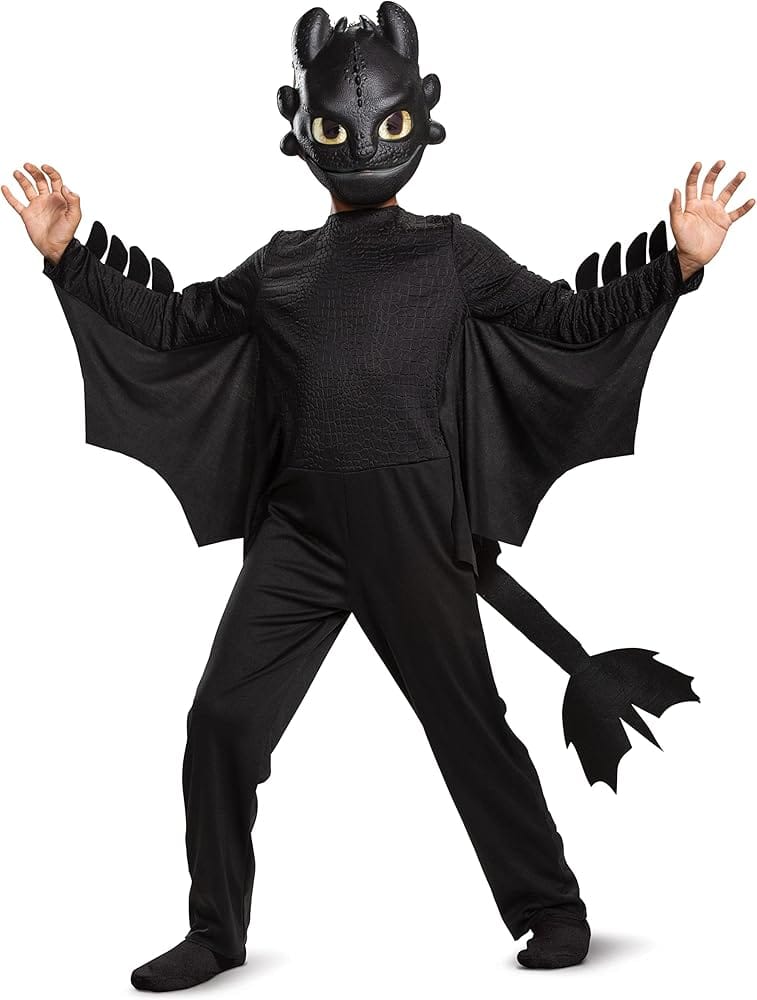
Are you looking for a unique and heartwarming way to celebrate your furry best friend? Imagine your dog, not just as a loyal companion, but as a heroic dragon from the beloved “How to Train Your Dragon” movies! Dressing up your dog in a custom costume can be a fun project, but it also brings up important questions about safety, comfort, and how to make the experience enjoyable for your pup. This guide will walk you through everything you need to know about creating or finding the perfect “How to Train Your Dragon” inspired dog costume, ensuring your canine companion is ready for any adventure, whether it’s for Halloween, a themed party, or just a day of imaginative play.
Understanding Your Dog’s Needs for Costume Wear
Before diving into the creative aspects of dragon costumes, it’s crucial to prioritize your dog’s well-being. Not all dogs are comfortable wearing clothes, and forcing them can lead to stress and anxiety. The key is to introduce costumes gradually and positively.
- Comfort is Key: Ensure the costume allows for free movement, doesn’t restrict breathing or vision, and isn’t too tight or heavy. Fabrics should be breathable and non-irritating.
- Safety First: Avoid small, detachable parts that can be chewed off and swallowed. All fasteners should be secure but easy to remove in an emergency. Consider your dog’s temperament; a nervous dog might not be a good candidate for elaborate costumes.
- Gradual Introduction: Start by letting your dog wear a simple element, like a bandana or a small cape, for short periods. Reward them with treats and praise. Slowly increase the duration and complexity of the costume.
- Observe Body Language: Pay close attention to your dog’s signals. Signs of distress include excessive panting, yawning, lip licking, tucked tail, or attempts to remove the costume. If you see these, it’s time to take it off.
Popular “How to Train Your Dragon” Dog Costume Ideas
The “How to Train Your Dragon” franchise offers a fantastic range of characters and dragon designs that can be adapted for canine companions. Here are some popular ideas:
1. Toothless the Night Fury
Toothless is perhaps the most iconic dragon, and a fan favorite for dog costumes.
- Elements: This costume typically involves black body fabric, wings, and a tail fin. You can adapt a black dog sweater or create a full body suit.
- Wings: Lightweight fabric wings that attach to the dog’s back are common. Ensure they don’t impede movement.
- Headpiece: A simple headpiece with Toothless’s distinctive “ears” can complete the look. Be cautious with headpieces, as some dogs dislike them.
- DIY Tips: Use felt or lightweight nylon for wings. Velcro straps are great for adjustable and secure attachments.
2. Stormfly the Deadly Nadder
Stormfly’s vibrant colors and unique features make for a striking costume.
- Elements: This would involve a blue or teal base with red/orange accents. The Deadly Nadder’s distinctive back spines and tail barbs are key.
- Spines: Soft felt or foam can be used to create the dorsal spines and tail barbs. Attach them securely to the costume base.
- Coloring: If your dog is a solid color, you might consider non-toxic, pet-safe fabric paints or dyes for accents, though a fabric base is usually easier.
3. Hookfang the Monstrous Nightmare
Hookfang’s fiery appearance and robust build can be translated into a bold costume.
- Elements: Red or orange base colors are essential. The signature flame-like frill around the head and the tail spikes are defining features.
- Frill/Spikes: Use stiff felt or craft foam to create these elements, ensuring they are soft-edged and securely attached.
4. Custom “Dragon Rider” Look
Instead of a dragon, you can dress your dog as a rider!
- Elements: A tunic or vest, possibly with a small helmet or rider’s cap.
- Accessories: You could add a small saddlebag or a tiny “sword” made of soft material. This option might be more comfortable for dogs who dislike full dragon costumes.
How to Train Your Dog to Wear a Costume: A Step-by-Step Approach
Successfully introducing a costume involves patience and positive reinforcement.
Step 1: Acclimation to Fabrics
- Start with Comfort: Begin by having your dog wear a plain, comfortable item like a soft t-shirt or bandana for short periods.
- Positive Association: Pair the experience with high-value treats, praise, and play. If your dog seems stressed, remove the item and try again later with something simpler or for a shorter duration.
Step 2: Introducing Costume Elements
- One Piece at a Time: Once your dog is comfortable with basic apparel, introduce one element of the costume at a time (e.g., just the wings, or just the headpiece).
- Short Durations: Keep these initial sessions very short, perhaps only a few minutes. End on a positive note before your dog shows signs of discomfort.
Step 3: Assembling the Full Costume
- Combine Elements Gradually: Once your dog is comfortable with individual pieces, try combining two elements.
- Monitor Closely: As you build towards the full costume, be extra vigilant for any signs of stress. Always prioritize your dog’s comfort and safety over the “look.”
Step 4: Practice and Reinforcement
- Wear it Around the House: Let your dog wear the complete costume for increasingly longer periods while supervised around the house. This helps them get used to the sensation and weight.
- Rewards: Continue to offer treats and praise generously. Make wearing the costume a positive experience.
Step 5: Special Occasions
- Short Outings: For events like Halloween trick-or-treating or a pet costume parade, keep the time spent in the costume relatively short.
- Breaks: If your dog seems tired or uncomfortable, don’t hesitate to remove the costume. Their happiness and well-being are paramount.
DIY Costume Creation: Tips and Tricks
Creating a “How to Train Your Dragon” costume can be a rewarding DIY project.
Materials to Consider:
- Fabric: Felt, fleece, nylon, or cotton blends are good choices for their flexibility and breathability.
- Fasteners: Velcro, snaps, or elastic bands are ideal for adjustable and secure fittings.
- Padding: Craft foam or polyester stuffing can be used for adding shape to wings or spikes.
- Non-Toxic Adhesives: Use fabric glue or a hot glue gun (with care to avoid burns) for attaching embellishments.
Design Considerations:
- Measure Carefully: Accurately measure your dog’s neck, chest, back length, and girth. This ensures a proper fit.
- Simplicity is Best: For dogs new to costumes, start with simpler designs like a cape or a vest with attached wings.
- Attachment Points: Plan where wings, tails, or other appendages will attach. Ensure they are balanced and don’t cause strain.
Safety Guidelines for Dog Costumes
Beyond general comfort, specific safety considerations are vital when dressing your dog.
Visibility and Hearing
- Ensure the costume doesn’t obstruct your dog’s vision or muffle their hearing. This is crucial for their awareness of their surroundings and potential dangers.
Temperature Regulation
- Avoid costumes made of heavy or insulating materials, especially in warmer weather, as dogs can overheat easily. Choose lightweight, breathable fabrics.
Choking Hazards
- Double-check that all parts of the costume are securely attached. Remove any small buttons, beads, or embellishments that could be a choking hazard if chewed off.
Supervision
- Never leave a dog unattended while wearing a costume. Always supervise them to ensure they are not getting into trouble or becoming distressed.
Frequently Asked Questions About Dragon Dog Costumes
Q1: How can I tell if my dog is stressed by a costume?
A1: Look for signs like excessive panting, yawning, lip licking, tucked tail, whale eye (showing the whites of their eyes), attempts to escape, or sudden stillness. If you notice these, remove the costume immediately.
Q2: Are there any breeds that are better suited for costumes?
A2: Generally, dogs with confident and adaptable temperaments tend to tolerate costumes better. However, it’s more about individual personality than breed. Always introduce costumes slowly, regardless of breed.
Q3: Can I use fabric paint on my dog’s costume?
A3: Yes, but only use paints specifically labeled as non-toxic and safe for pets. Test on a small, inconspicuous area first. However, it’s often easier and safer to use colored fabrics or felt.
Q4: How long should my dog wear a costume?
A4: Keep costume wear to short, controlled periods, especially for longer events like trick-or-treating. Prioritize your dog’s comfort and remove the costume if they show any signs of distress or fatigue.
Q5: What if my dog tries to chew the costume off?
A5: This is a clear sign of discomfort or dislike. Do not force them to wear it. Try a simpler costume or a different approach, like a themed bandana, and focus on positive reinforcement.
Conclusion: Unleash Your Dragon Dog’s Inner Hero
Creating a “How to Train Your Dragon” dog costume is a wonderful way to bond with your pet and engage in imaginative fun. By prioritizing your dog’s comfort, safety, and well-being throughout the process—from choosing or making the costume to introducing it gradually—you can ensure a positive and memorable experience for both of you. Whether your pup embodies the fierce loyalty of Toothless, the vibrant spirit of Stormfly, or another fantastical dragon, they’re sure to steal the show. Remember, the best costume is one that your dog enjoys wearing, allowing them to be part of the adventure safely and happily. So, get creative, have fun, and let your dog’s inner dragon shine!
