
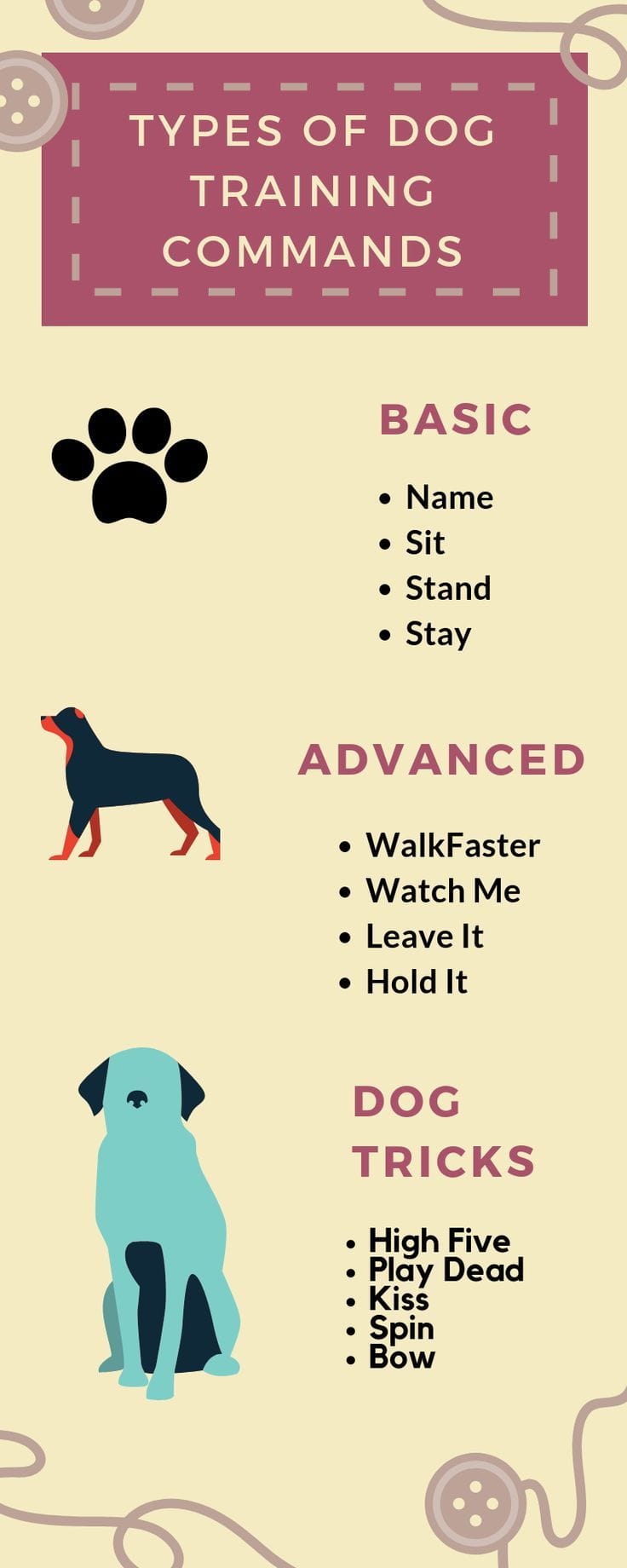
The “place” command is an invaluable tool for any dog owner, offering a way to instill calm and control in a variety of situations. It’s the key to a well-behaved dog, whether you’re enjoying a leisurely hike, a meal out, or simply want some peace at home. This guide will walk you through everything you need to know to effectively train your dog this essential command, transforming their behavior and enhancing your shared experiences.
“Place” translates to “go to the designated spot and stay there until released.” It provides your dog with a clear job, preventing them from seeking their own, often undesirable, activities. When dogs are left to their own devices, common issues like excessive barking, jumping on guests, begging at the table, and destructive behavior can arise. The place command offers a structured alternative, giving your dog a sense of purpose and rewarding them for calm, obedient behavior. This is especially useful when you need your dog to remain settled, such as when hiking with dogs on trails.
The Profound Benefits of the Place Command
Teaching your dog the place command offers a multitude of advantages, fostering a more harmonious relationship between you and your canine companion.
Giving Your Dog a Job
Instead of allowing your dog to self-select activities that might lead to nuisance behaviors, the place command provides a constructive outlet. This redirection is crucial in preventing common problems such as:
- Excessive barking: Dogs may bark at the doorbell or outside stimuli when not given a specific task.
- Door dashing: A dog trained to “place” will be less likely to rush the door when guests arrive.
- Jumping on people: The command encourages a calmer greeting behavior.
- Begging: By having a designated spot, dogs are less inclined to beg at the dinner table.
- Destructive tendencies: Boredom and lack of structure can lead to chewing or shredding.
- Uncontrolled exits: Dogs may learn to exit vehicles or the house only when released.
Real-World Applications of the Place Command
The versatility of the place command extends far beyond basic obedience. It’s a practical tool for everyday life and adventures:
- At Home: Keeping your dog settled and structured, even outside of a crate, reminds them of expected behavior.
- Outdoor Adventures: Whether camping or hiking, the command ensures your dog remains calm and out of the way. You can use a dog travel bed for added comfort.
- Paddleboarding: Teaching your dog to “place” on a paddleboard is essential for stability and safety.
- Photography: Achieve perfect pet portraits by having your dog “place” in a desired pose.
- Social Settings: Enjoying breweries or restaurant patios becomes more relaxed when your dog can calmly stay in place on a mat, allowing you to socialize without worry. This is a great way to maintain dog-friendly bar etiquette.
Essential Gear for Place Command Training
The beauty of the place command lies in its simplicity and minimal equipment requirements.
Recommended Place Mats and Cots
While any designated mat or surface can work, specialized place mats and cots offer clear boundaries and comfort for your dog. Some popular options include:
- Kuranda Elevated Dog Bed: Known for its durability, chew-proof design, and ability to support significant weight, making it suitable for various environments.
- K&H Elevated Dog Bed: A more budget-friendly option that is also chew-proof and robust, though potentially less durable than higher-end models.
- Acrimet Nap Cot for Kids: A surprisingly effective and stackable option that is easy to clean and suitable for outdoor use, though it may not be as chew-proof as specialized dog beds.
Alternative Place Surfaces
In situations where you don’t have a dedicated mat, numerous everyday objects can serve as effective “place” surfaces:
- Towels or blankets
- Backpacks
- A designated spot in your car
- Natural elements like logs or rocks
- A scale (useful for vet visits)
- Door mats (to keep dirt outside)
- Picnic tables, benches, or chairs
Step-by-Step Guide to Teaching the Place Command
Effective place command training requires patience, consistency, and a gradual introduction to distractions.
Step 1: Establish a Terminal Marker
Before introducing the word “place,” ensure your dog understands a marker word (like “yes” or “good”) that signals the end of a behavior and the reward. This “terminal marker” is crucial for communicating when they are released from the “place” command. You can learn to “charge” your marker word by associating it with positive reinforcement.
Step 2: Introduce the “Place” Command
Once your dog understands the terminal marker, you can begin teaching “place”:
- Preparation: Use a 6-foot leash and a martingale collar or slip lead. Keep the leash short, close to your dog’s collar.
- Approach the “Place”: Walk your dog towards their mat or cot. The key is to keep moving past the mat initially. Stopping directly at the mat will cause your dog to stop too.
- Guiding Your Dog:
- If your dog stops before the mat, gently encourage them forward, potentially by positioning yourself on the opposite side.
- If your dog tries to circle around the mat, maintain a short leash and continue guiding them.
- If your dog steps onto the mat and then off, immediately apply gentle pressure on the leash to halt their movement as soon as their paws touch the mat.
- Reward: When all four paws are on the mat, say your terminal marker (“yes”) and immediately reward with a treat. At this stage, focus solely on getting your dog onto the mat and staying there, without using the word “place” yet.
- Practice: Repeat this process from various angles, ensuring your dog consistently steps onto the mat.
- Introduce the Cue: Once your dog reliably steps onto the mat, begin saying “place” just before they step onto it.
Important Note: In the initial stages, don’t be concerned if your dog sits or lies down. The primary goal is to teach them to stay on the designated surface until released. They will naturally progress to more relaxed positions over time.
Step 3: Increase Duration
As your dog becomes comfortable with the “place” command, gradually increase the amount of time they need to stay in position. Start with a few seconds, then gradually extend to 5, 10 seconds, and eventually several minutes. Use your terminal marker (“good”) to acknowledge their sustained effort. Incorporate frequent breaks to prevent frustration.
Step 4: Practice in Distracting Environments
Once your dog is proficient in a low-distraction setting, it’s time to generalize the command to more challenging environments. This helps your dog understand that “place” means the same thing everywhere. Excellent practice locations include:
- Local parks
- Outside of dog parks
- Bike paths
- Busy urban areas near lakes or recreational spots
- Hardware stores (like Home Depot or Lowe’s)
- Breweries and cafes
- Nurseries
- Skate parks
- Areas near schools or playgrounds (time your sessions appropriately)
Troubleshooting Common Place Command Challenges
Mistakes are a natural part of the training process for both you and your dog.
If your dog breaks the “place” command, calmly say “nope” or “uh-uh.” Gently guide them back to their mat using the leash and your body language. Avoid rewarding them when they break the command; simply redirect them back to their spot. Consistent practice in various settings will help your dog master the place command, leading to a more relaxed and well-behaved companion. Soon, you’ll be able to enjoy social outings and a peaceful home environment with your dog.
Have you taught your dog the place command? How has your dog’s behavior changed as a result of teaching the place command?
