
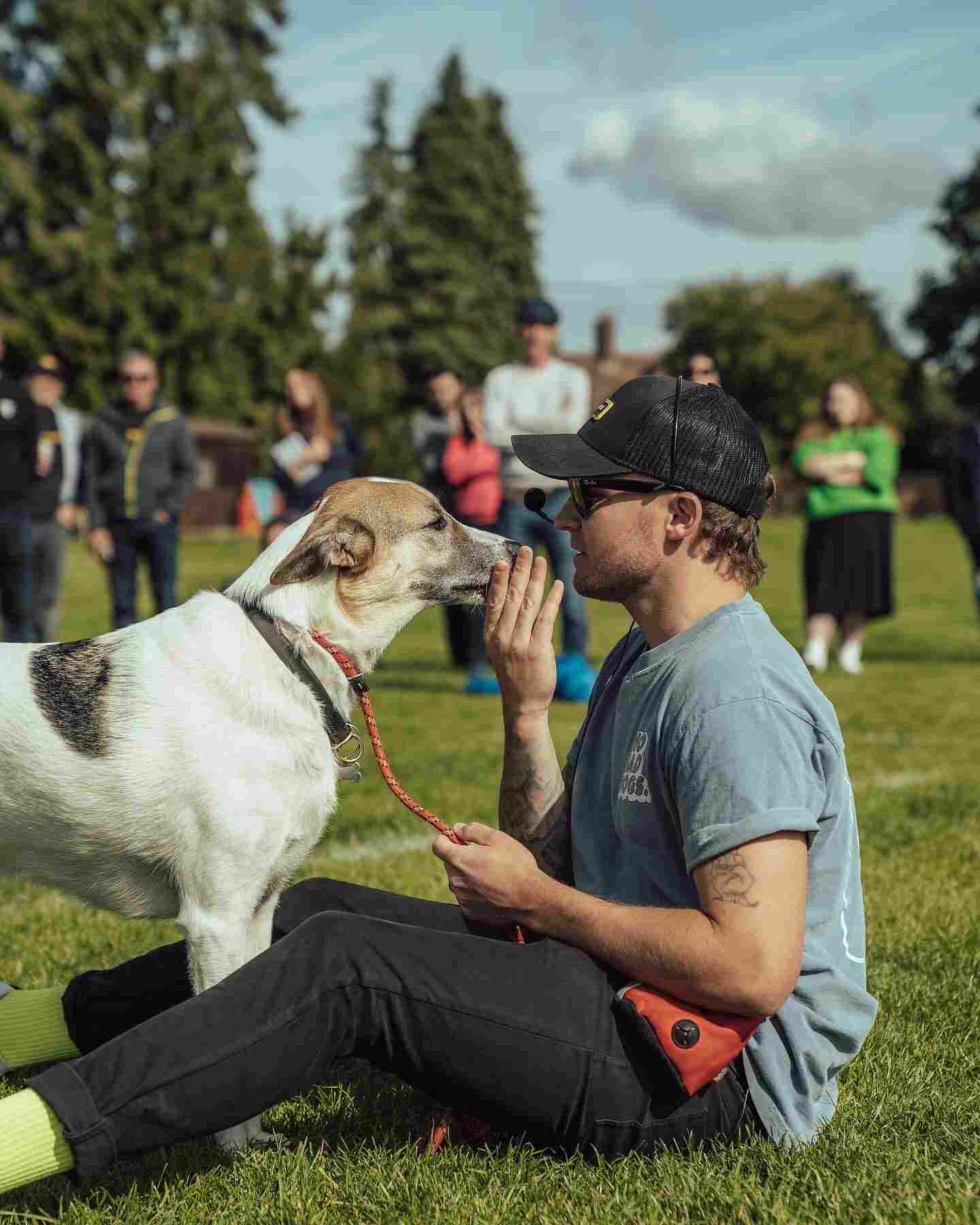
The bond between humans and dogs is built on trust, communication, and shared adventures. One of the most crucial skills that underpins this bond, ensuring both your dog’s safety and your peace of mind, is reliable recall. Teaching your dog to come when called is not just a training exercise; it’s a vital safety measure that can prevent dangerous situations and unlock a world of freedom for your canine companion. Whether you’re a new dog owner or have years of experience, mastering recall is a continuous journey that strengthens your relationship and makes every outing more enjoyable. Let’s dive into the art and science of How To Train Your Dog To Recall, transforming a potentially stressful command into a joyous, instinctive response.
The Importance of Reliable Recall: More Than Just a Trick
A dog that reliably comes when called is a dog that can be safely enjoyed off-leash in appropriate areas. This freedom allows them to explore, socialize, and expend energy in ways that are essential for their physical and mental well-being. Beyond the sheer joy of a dog running freely, recall is a critical safety net. It can:
- Prevent Accidents: A strong recall can save your dog from running into traffic, encountering an aggressive animal, or getting lost in unfamiliar territory.
- Enhance Socialization: Being able to call your dog away from potentially overwhelming situations or recall them to greet other dogs politely significantly improves their social interactions.
- Strengthen Your Bond: Every successful recall reinforces the communication and trust between you and your dog, solidifying your partnership.
- Increase Training Opportunities: A reliable recall is the foundation for many other advanced training goals and dog sports.
Think of recall as your dog’s emergency brake, a life-saving skill that requires consistent practice and positive reinforcement. It’s about teaching them that “come” means the most rewarding thing in the world is heading straight to you, no matter the distractions.
Understanding the Science: How Dogs Learn Recall
Before we delve into the training specifics, it’s helpful to understand the principles behind how dogs learn. Recall training is heavily rooted in positive reinforcement. This means rewarding your dog for performing the desired behavior (coming to you) makes them more likely to repeat it in the future.
- Classical Conditioning: Pairing the recall cue (like a whistle or a specific word) with a positive outcome (treats, praise, a favorite toy) creates a strong, positive association.
- Operant Conditioning: When your dog chooses to come to you, and is rewarded for it, they are learning through the consequences of their actions.
- Motivation: Understanding what motivates your dog – whether it’s high-value treats, a squeaky toy, or enthusiastic praise – is key to making recall training effective and fun.
It’s crucial to remember that recall is a choice your dog makes. Your job is to make coming to you the most rewarding choice available. This means making yourself exciting, using high-value rewards, and never punishing your dog for coming, even if they took a long time or were distracted.
Laying the Foundation: The Pre-Recall Essentials
Consistency and positive association are paramount. Before you even start practicing recall in increasingly distracting environments, ensure these foundational elements are in place:
1. Choose Your Cue Wisely
Select a distinct word or sound that you will only use for recall. Common choices include “Come,” “Here,” or a specific whistle. Avoid using your dog’s name as the primary recall cue, as you’ll use their name for many other things. The recall cue should be positive and upbeat.
2. Master the “Reward”
Identify what truly excites your dog. This could be small, high-value treats (like tiny pieces of cheese, cooked chicken, or commercial training treats), a beloved squeaky toy, or a game of tug. The reward should be more enticing than whatever might be distracting your dog.
3. Practice in a Controlled Environment
Start in a quiet, enclosed space with minimal distractions, such as your living room or a securely fenced yard. This allows your dog to focus on you and the cue without being overwhelmed.
Step-by-Step Guide: How to Train Your Dog to Recall
This guide breaks down recall training into manageable stages, gradually increasing the difficulty as your dog’s reliability improves. Remember, patience and positivity are your greatest tools.
Stage 1: The Indoor Introduction (Zero Distractions)
- Get Your Dog’s Attention: When your dog is in the same room but not focused on you, say their name followed by your recall cue in a cheerful tone. For example, “Buddy, Come!”
- Reward Immediately: As soon as your dog looks at you or takes a step towards you, praise them enthusiastically. When they reach you, give them their high-value reward and lots of affection.
- Keep it Short and Sweet: Aim for several short sessions throughout the day rather than one long one. End each session on a positive note.
- The “Chase Me” Game: Sometimes, turn away from your dog and playfully encourage them to chase you, using your recall cue as they approach. This makes coming to you a fun game.
Stage 2: Adding Mild Distractions (The Leash is Your Friend)
Once your dog is reliably coming to you in a distraction-free environment, it’s time to introduce mild distractions.
- Use a Long Line: Attach a long training lead (15-30 feet) to your dog. This gives them a sense of freedom while ensuring you can gently guide them if they ignore the cue.
- Practice in the Yard: With the long line, practice recall in your yard. Call your dog from different distances and positions. If they hesitate, give a gentle tug on the line to remind them, paired with your verbal cue.
- Introduce Other People/Pets (Controlled): Have a family member or friend (who the dog knows) walk by at a distance while you practice recall. Ensure the distraction is not so great that your dog is completely oblivious. Reward heavily for success.
Stage 3: Increasing Distractions (The Great Outdoors)
This is where real-world recall training begins. It’s crucial to manage the environment to set your dog up for success.
- Quiet Parks or Trails: Start in less populated areas. Begin with the long line on, especially in unfenced areas. Call your dog when they are looking at you or when you know they are likely to come.
- Use High-Value Rewards: The outdoors offers many more exciting smells and sights, so your rewards need to be extra special.
- “Recall Games”: Play games like hide-and-seek with your dog in a safe, enclosed area. This makes recall a fun part of the adventure. You can also have two people call the dog back and forth, with each person rewarding the dog.
Stage 4: Proofing Recall (The Ultimate Test)
Proofing involves testing your dog’s recall in increasingly challenging situations. This requires careful management and a deep understanding of your dog’s current reliability.
- Busy Parks (with caution): Once your dog has a very strong recall in quieter areas, you can gradually introduce more stimulating environments. Always use the long line initially.
- Calling Away from Other Dogs: This is often the hardest part. Practice calling your dog away from playmates. If they are highly distracted by other dogs, you may need to increase the distance or the value of your reward significantly.
- Never Punish a Returned Dog: This is the golden rule. Even if your dog took five minutes to come back, when they finally reach you, they must be rewarded. Punishing them will teach them that coming to you leads to something bad, and they will be less likely to come in the future.
Common Recall Mistakes and How to Avoid Them
Even with the best intentions, some common pitfalls can hinder recall training. Being aware of these can help you sidestep them:
- Calling Your Dog to Do Something Unpleasant: Avoid calling your dog for baths, nail trims, or to be put in their crate if they dislike these things. Instead, go to them to perform these tasks. If you must call them for something they dislike, be sure to follow it up with a high-value reward after the unpleasant task is completed.
- Recalling Too Often: Don’t use the recall cue for casual greetings or when you know your dog won’t come. This can dilute the cue’s meaning. Instead, walk to your dog or use their name to get their attention for less critical interactions.
- Recalling from a Fun Activity: If your dog is deeply engrossed in sniffing an exciting scent or playing with another dog, recall might be ignored. Gradually increase the difficulty, ensuring you have a reward that’s better than the current fun. This is where the long line is essential for management.
- Punishing a Slow Recall: As mentioned, this is detrimental. If your dog is slow to respond, it’s a sign that the distraction is too high for their current level of training, or your reward isn’t motivating enough.
Advanced Recall Techniques and Games
Once your dog has a solid foundation, you can explore advanced techniques and games to keep their recall sharp and engaging:
The “Recall Ladder”
This involves a series of increasing challenges. Start with a recall from across the room, then from the other side of the house, then in the yard, then at the park on a long line, and so on. Each successful step up the ladder reinforces the behavior.
Whistle Recall
If you prefer a whistle, use a distinct, short blast. Whistles can carry further than the voice and are less likely to be muddied by background noise. Again, pair the whistle with high-value rewards consistently. Dog name recall training can be a part of this, but the whistle itself becomes the primary cue.
Total Recall Training
This refers to a very high level of reliability in all situations. Achieving total recall dog training requires consistent practice, high-value rewards, and a strong understanding of your dog’s motivations and triggers. It’s a journey, not a destination.
When to Seek Professional Help
While many dogs can achieve excellent recall with consistent, positive training, some may struggle due to behavioral issues, high prey drive, or past negative experiences. If you’re finding recall particularly challenging, or if your dog shows signs of fear or anxiety around recall training, consider consulting a certified professional dog trainer or a veterinary behaviorist. They can assess your specific situation and provide tailored guidance. Techniques like training a dog to come when called are their specialty. If you’re looking for local expertise, searching for “recall dog training near me” can help you find qualified professionals in your area.
Conclusion: The Lifelong Journey of Recall
Mastering your dog’s recall is one of the most rewarding aspects of dog ownership. It’s a skill that grows with time, consistency, and a deep understanding of your dog’s needs and motivations. By making recall training a positive, engaging experience, you not only ensure your dog’s safety but also deepen the incredible bond you share. Remember to celebrate every success, remain patient through challenges, and always make coming to you the best decision your dog can make. A well-trained recall truly opens up a world of possibilities for you and your beloved canine companion, transforming everyday walks into adventures built on trust and freedom.
