
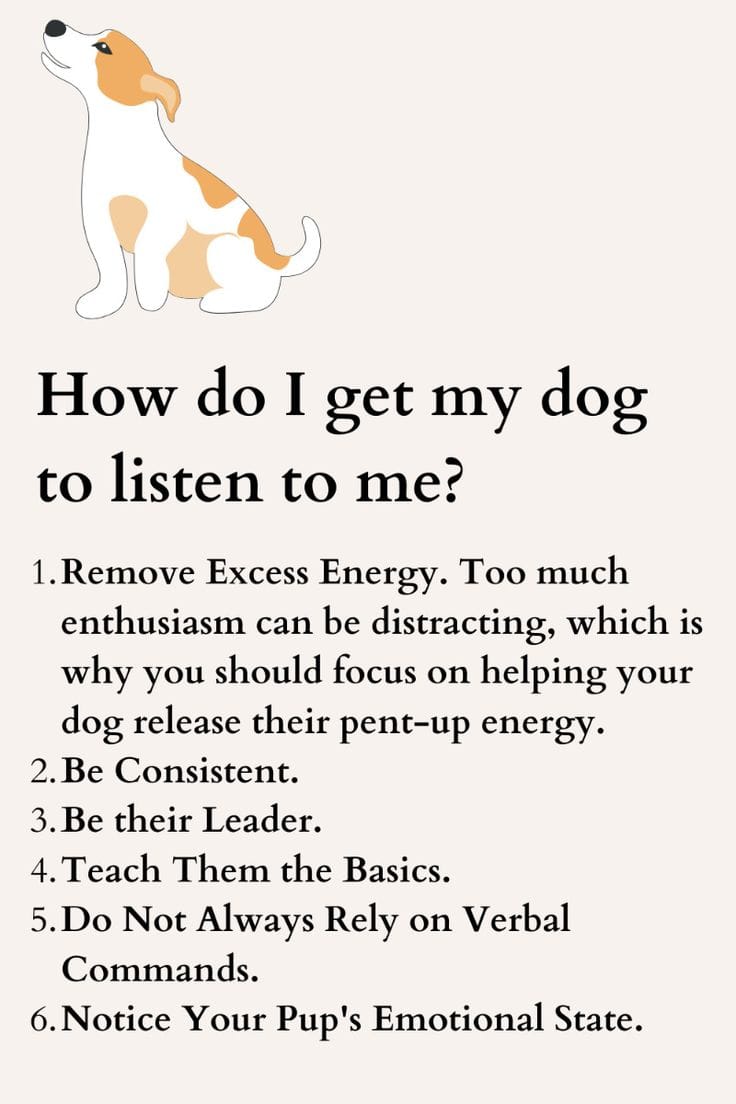
Is there anything more frustrating than calling your dog’s name only to be completely ignored? You know they heard you. That subtle ear twitch gave them away. Yet, they continue sniffing that fascinating patch of grass as if you don’t exist. If you’re struggling with this, you’re not alone. The good news is that learning How To Train Your Dog To Listen To You isn’t about being a strict disciplinarian or asserting dominance. It’s about building a stronger connection, clearer communication, and a bond so resilient that your voice becomes the most interesting thing in their world. Forget the frustration; we’re about to transform your training and reinforce the partnership between you and your canine companion.
Understanding this process is easier than you think. In many ways, it’s similar to learning how to effectively communicate with anyone. For instance, just as a professional like a lone star dog trainer builds a foundation of trust, you too can become the center of your dog’s universe with a few key principles.
First, Understand Why Your Dog Isn’t Listening
Before we dive into the “how,” it’s crucial to understand the “why.” A dog that isn’t listening isn’t trying to be defiant; they are usually responding to their environment or their internal state. Most listening problems stem from one of four core reasons.
1. Fear or Anxiety
A fearful dog’s brain is flooded with stress hormones. Their survival instincts—fight, flight, or freeze—take over, and their ability to process a command like “Sit” plummets. If a loud truck backfires and your dog starts pulling on the leash, they aren’t ignoring you; they are trying to escape a perceived threat. In these moments, correction is counterproductive. Your job is to provide security and reassurance, not to demand obedience.
2. Confusion
Dogs thrive on consistency. If one person in the house says “Down” to mean lie down, and another says it to mean “get off the couch,” your dog will be understandably confused. Likewise, using “Come here, Fido!” one day and just “Fido, here!” the next can muddy the waters. The command, the hand signal, and the reward should be as consistent as possible across all family members to create clear, unambiguous communication.
3. Distractions
To your dog, the world is an amusement park of smells, sights, and sounds. A squirrel darting up a tree, another dog approaching, or a child’s laughter can easily be more compelling than your request to “Heel.” Your dog isn’t being rude; you just haven’t yet taught them that paying attention to you is more rewarding than anything else in the environment.
4. It’s a Choice
Sometimes, your dog has learned that listening is optional. If you repeat “Sit, Sit, Sit” without any consequence or reward, you’ve inadvertently taught your dog that the first two commands are meaningless. They have learned they can choose to wait you out. To fix this, we need to make listening the most rewarding and beneficial choice they can make.
The Foundation of Listening: How to Teach Attention
You can’t expect a dog to listen to a command if they aren’t paying attention to you in the first place. Attention is the bedrock of all training. The goal is to make eye contact with you feel like a fun and rewarding reflex for your dog. Two simple games are incredibly effective at building this skill.
Master “The Name Game”
The objective here is to make your dog’s name mean, “Look at me because something wonderful is about to happen.” We want their head to whip around in happy anticipation whenever they hear it.
- Arm Yourself with Treats: Use high-value treats—small pieces of chicken, cheese, or something your dog truly loves.
- Start in a Quiet Space: Begin indoors without any distractions.
- Say Their Name, Once: In a happy, upbeat tone, say your dog’s name one time.
- Mark and Reward: The very instant your dog’s head turns toward you or they make eye contact, say “Yes!” and give them the treat.
- What If They Don’t Look? If they ignore you, make a small, interesting noise (a quiet whistle or a kissy sound) to get their attention. When they look, mark and reward.
- Practice: Play this game for just a few minutes at a time, several times a day, in different rooms of the house.
Crucial Tip: Avoid using your dog’s name for anything negative, like telling them off for chewing a shoe. Their name should always predict a positive experience.
Play “The Attention Game”
This exercise teaches your dog to check in with you voluntarily, without you even having to say their name.
- Get Your Treats: Again, have high-value rewards ready.
- Stay Silent: Stand in a quiet room with your dog. Hold a treat in your hand at your side, but don’t say anything.
- Wait for the Look: Your dog will likely sniff around, look at your hand, and eventually, look up at your face.
- Mark and Reward Instantly: The moment they make eye contact, say “Yes!” and give them the treat.
- Reset: Toss another treat a few feet away on the floor. After they eat it, they will likely turn back to see if another treat is coming. The moment they look at your face again, mark and reward.
- Build the Habit: This game teaches your dog that looking at your face is the key to getting rewarded. It builds a powerful habit of checking in with you, which is invaluable in distracting environments.
Core Principles for Effective Dog Training
With a foundation of attention, you can apply some core principles to teach almost any behavior. These aren’t just for formal obedience; they apply to everyday life.
The Power of Positive Reinforcement
Positive reinforcement is simply the practice of rewarding the behaviors you want to see more of. When your dog listens and does what you ask, they receive something they value—a tasty treat, enthusiastic praise (“Good boy!”), or a quick game of tug. This makes them more likely to repeat the behavior in the future.
According to Dr. Sarah Miller, a leading animal behaviorist, “Positive reinforcement doesn’t just teach a dog what to do; it builds a trusting and enthusiastic training partner. Dogs that are trained with rewards want to listen because they see training as a fun and collaborative game.”
Consistency is Your Superpower
Every member of the family must be on the same page. If you are teaching your dog not to jump on people, but someone else in the house encourages it, your dog will never learn the rule consistently. Agree on command words and house rules, and ensure everyone follows them. This clarity is essential for a dog to learn effectively, a principle that any reputable service like dog training elite san antonio would emphasize.
Setting the Scene for Success
Don’t ask your dog to perform a perfect recall in a busy park on day one. Start new training in a low-distraction environment, like your living room. As your dog becomes more reliable, gradually increase the level of distraction. Move to the backyard, then the front yard on a leash, then a quiet street, and so on. Every step should set your dog up for success. Also, keep training sessions short and sweet—five to ten minutes a couple of times a day is far more effective than one long, boring hour-long session.
Putting It All Together: From Attention to Action
Once your dog is eagerly offering you their attention, you can start layering in commands. With their focus already on you, they are primed and ready to hear what you want them to do next. When you give a command like “Sit,” do it once in a clear, calm voice. If they do it, reward them lavishly. If they don’t, don’t repeat the command. Instead, use a hand signal or a treat lure to help them succeed, and then reward them. Repeating commands teaches your dog that the first few times are optional.
This same process applies to everything from simple commands to more complex behaviors. Building a reliable recall or teaching a dog to walk politely on a leash becomes much easier. It’s a journey that many dog owners embark on, from those seeking help with dog training boise id to those in bustling urban centers.
Troubleshooting Common Listening Problems
“My dog only listens when I have a treat.”
This usually happens when the treat is used as a bribe, not a reward. Make sure you aren’t showing the dog the treat before you give the command. The treat should appear as a wonderful surprise after they perform the behavior. Over time, you can also move to an intermittent reward schedule, where you don’t reward every single success but perhaps every second or third one, which can make the behavior even stronger.
“My dog is perfect indoors but ignores me outside.”
This is a classic case of distraction. Your dog hasn’t generalized the command to a new, more stimulating environment. You need to go back a few steps. Practice the attention games and basic commands in your backyard on a long leash. Gradually work your way up to more distracting environments, always keeping the training fun and rewarding.
The path to a dog that listens is paved with patience and positive reinforcement. Techniques used by experts, from truckee meadows dog training to local classes, all rely on this foundation.
Frequently Asked Questions (FAQ)
1. Can I train an older dog to listen?
Absolutely! It’s never too late. An older dog might have more established habits, so training may require a bit more patience and consistency, but the principles of positive reinforcement and attention-building work for dogs of all ages.
2. What are the best high-value treats to use?
The best treats are whatever your dog finds irresistible. For most dogs, this includes soft, smelly treats like small pieces of cooked chicken, hot dogs, cheese, or commercial training treats. The key is that it should be more exciting than their regular kibble.
3. How long will it take to see results?
If you are consistent, you can see improvements in your dog’s attention within a few days. Mastering commands in highly distracting environments can take weeks or months of consistent practice. The key is to celebrate small victories and not get discouraged.
4. What if my dog is not food-motivated?
While most dogs can be motivated by the right treat, some are more driven by toys or praise. If your dog loves a game of fetch or tug, you can use a quick play session as a reward. Enthusiastic verbal praise and petting can also be very effective.
5. Why won’t my dog come when called at the park?
The park is one of the most distracting places for a dog. A reliable recall (“Come”) must be built up slowly. Start in the house, then the yard on a long leash. Never call your dog to you and then do something they dislike, such as end their playtime. Make coming to you the best thing that can happen.
A Partnership Built on Listening
Ultimately, learning how to train your dog to listen to you is about more than just obedience; it’s about building a relationship of mutual trust and respect. When your dog looks to you for guidance, listens to your cues, and eagerly participates in training, you have achieved something truly special. You have built a line of communication that transcends words. By focusing on attention, staying consistent, and keeping it positive, you’ll not only get a dog that listens but also deepen the incredible bond you share.
