
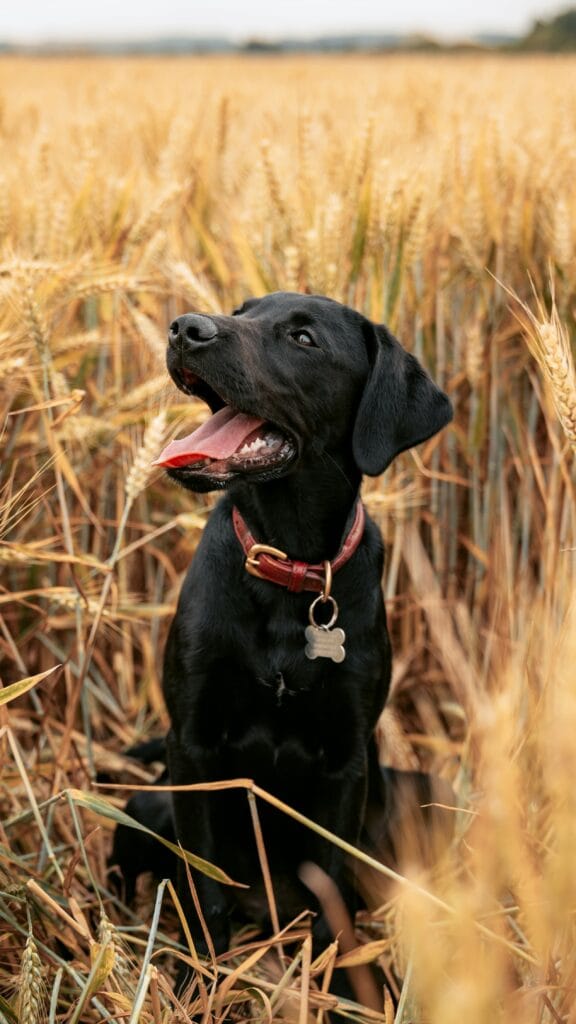
Training your dog to hunt birds is a rewarding experience that deepens your bond and enhances your outdoor adventures. It requires patience, consistency, and a good understanding of canine behavior. Whether you’re interested in retrieving waterfowl or flushing upland game, the foundational principles of training remain similar. This guide will walk you through the essential steps to get your dog ready for the field.
Understanding the Fundamentals of Bird Dog Training
The journey to a successful bird dog starts with understanding the natural instincts of dogs, particularly breeds historically developed for hunting. These instincts include a strong prey drive, a desire to please, and the ability to learn complex commands. Effective training capitalizes on these traits, channeling them into specific, desirable behaviors. Key components of this training involve introducing your dog to birds, teaching them to follow commands, and instilling a strong retrieving instinct. It’s crucial to remember that every dog learns at its own pace, and positive reinforcement is the most effective method. This approach fosters trust and enthusiasm, making the training process enjoyable for both you and your canine companion.
Step 1: Laying the Foundation – Basic Obedience
Before you even think about birds, your dog needs a solid grasp of basic obedience. This is the bedrock upon which all advanced training is built. Commands like “sit,” “stay,” “come,” and “down” are not just for impressing your neighbors; they are critical for control and safety in the field. A dog that reliably responds to these commands is much easier to manage around distractions, such as other dogs, people, or the scent of game.
- Sit and Stay: Essential for waiting patiently before a retrieve or when flushed birds are in the air.
- Come (Recall): The most important command for safety. Your dog must return to you reliably, every single time.
- Down: Useful for keeping your dog calm and under control in the blind or when game is present but not yet accessible.
Practice these commands in various environments, starting in a quiet area and gradually increasing the level of distraction. This ensures your dog understands that commands must be obeyed regardless of the situation. Consistent practice and positive reinforcement, like treats and praise, are key to mastering these basics.
Step 2: Introducing Your Dog to Birds and the Concept of Fetching
Once basic obedience is solid, you can begin introducing your dog to the core elements of bird hunting. This phase focuses on building excitement and association with birds and the act of retrieving.
Introducing Birds
Start with bird wings or dead birds. You can often obtain these from game preserves or by saving them after a successful hunt. Let your dog investigate the scent and texture. The goal is to create a positive association with birds. Avoid forcing your dog; let their natural curiosity guide them.
Developing the Retrieve
The retrieve is central to bird dog training. You want your dog to happily bring back anything you throw, especially birds.
- The “Fetch” Command: Start with a toy your dog loves. Throw it a short distance and encourage your dog to go get it. As they pick it up, say “fetch” or “get it.”
- The “Give” or “Tug” Command: When your dog returns with the toy, encourage them to release it. You can do this by offering a high-value treat in exchange or engaging in a gentle tug-of-war before taking the toy. This teaches them that giving up the retrieved item leads to a reward.
- Gradual Progression: As your dog masters fetching toys, introduce the bird wings or dead birds. The scent will be more enticing, and their natural retrieving drive should kick in. Remember to keep sessions short and fun to maintain enthusiasm. This early work helps build the foundation for how to train a dog to fetch birds effectively.
Step 3: Introducing Live Birds and Stimulation
This is where the training becomes more intense and exciting. It’s crucial to manage the intensity to prevent your dog from becoming overly excited or developing bad habits.
Wing Clipping and Dummies
For some breeds, especially those being trained for bird dog training classes, using a training dummy stuffed with bird scent can be a great intermediate step. You can also use clipped-wing birds, which can fly a short distance before landing, providing a more realistic scenario without the full challenge of a wild bird. This allows the dog to practice their chase and retrieve instincts in a controlled manner.
Controlled Introductions
When introducing live birds, ensure the dog is on a long lead for control. Flush a bird and encourage your dog to “fetch” once it lands. The long lead allows you to gently guide them if they get distracted or veer off course. This is also the time to start reinforcing the “whoa” command, teaching your dog to stop and wait when commanded, which is vital for situations like how to train a pointer bird dog.
Step 4: Advanced Training – Force-Free Techniques and Specific Skills
As your dog progresses, you’ll want to refine their skills and ensure they are working ethically and effectively in the field. Modern training emphasizes force-free methods, which are not only more humane but also build a stronger, more trusting relationship with your dog.
Force-Free Retrieves
This method focuses on making the retrieve so rewarding that the dog wants to bring the bird back. It involves rewarding the dog for each step of the retrieving process: looking at the bird, going towards it, picking it up, holding it, and bringing it back. Gradually phase out treats as the dog understands the behavior, replacing them with praise and the joy of the activity itself.
Introducing the “Whoa” Command
The “whoa” command teaches your dog to stop dead in their tracks. This is crucial for preventing them from breaking point (if training a pointing breed) or from chasing after birds that have already been shot or flushed out of range. Practice this command during retrieves, rewarding the dog for stopping when you say “whoa.”
Steadiness
Steadiness involves teaching your dog to remain calm and controlled amidst distractions. This includes birds flying, other dogs working, and gunshots. Desensitizing your dog to gunshots is a critical part of this. Start with a starter pistol or a blank firing gun at a significant distance, gradually decreasing the distance as the dog shows no fear or excessive anxiety. Always pair the sound with positive experiences, like treats or play. This process is a key aspect of how to train a bird dog.
Step 5: Field Work and Maintaining Skills
The ultimate test of your training is in the field. This is where all the hard work comes together.
Practice in Real Environments
Take your dog to areas where they are likely to encounter birds. This could be local fields, training grounds, or, with proper permits and guidance, actual hunting situations. The real-world environment presents numerous distractions, so be prepared to reinforce commands and maintain control.
Maintaining and Refining Skills
Consistent practice is key to maintaining your dog’s skills. Even after they are proficient, continue to work on their obedience, steadiness, and retrieving. Short, regular training sessions are more effective than infrequent long ones. Consider attending advanced workshops or working with a professional trainer to address any specific challenges or to further refine your dog’s abilities. Like training a bird to find money, consistent effort yields results, though the rewards are different.
Troubleshooting Common Issues
- Lack of Interest: Ensure you’re using high-value rewards and that the dog isn’t being forced. Sometimes, a break from training and a return to basics can reignite enthusiasm.
- Chewing the Bird: This is a common issue. Work on the “give” command diligently and reward gentle holding. You might need to go back to retrieving toys and ensure the “give” is a positive experience.
- Distraction: Gradually increase the level of distraction during training. Ensure basic obedience is rock-solid before introducing more challenging environments.
- Fear of Gunshots: Desensitization needs to be done slowly and carefully, always pairing the sound with positive reinforcement. Never force a dog to stay near a loud noise if they are showing fear.
Conclusion: The Rewarding Journey of a Trained Bird Dog
Training a dog to hunt birds is a journey that requires dedication, understanding, and a lot of positive reinforcement. It’s not just about creating a hunting partner; it’s about building a deep, trusting relationship with your dog. By following these steps and staying consistent, you can help your canine companion become a skilled and reliable partner in the field. The satisfaction of a well-trained bird dog working in harmony with its handler is truly unparalleled. The core principles behind how to train a dog to hunt birds are about channeling natural instincts into controlled, effective actions, ensuring a safe and enjoyable experience for both of you.
