
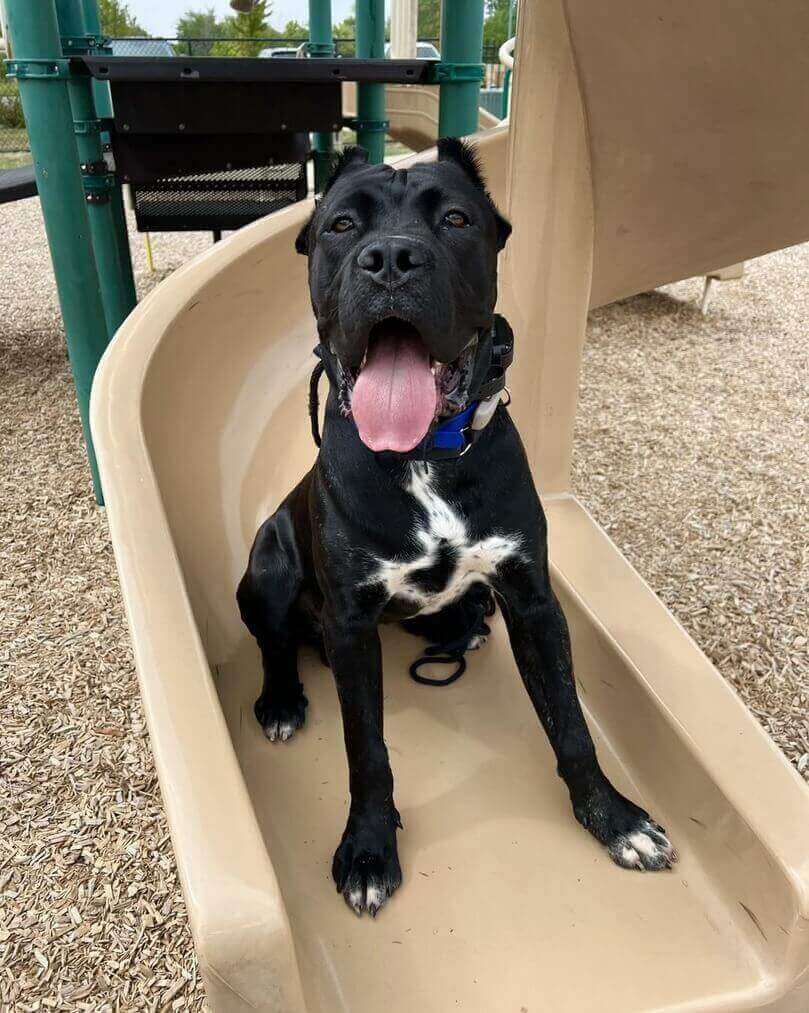
Teaching your dog to walk calmly by your side, a command known as “heel,” is more than just good manners; it’s a cornerstone of responsible dog ownership and a vital skill for safety and control. This comprehensive guide delves into the art of training your dog to heel, transforming chaotic walks into harmonious strolls and strengthening the bond between you and your canine companion. Whether you’re a seasoned dog owner or embarking on this journey for the first time, mastering this command requires patience, consistency, and an understanding of your dog’s needs.
The “Why” Behind the Heel Command
Before diving into the “how,” let’s understand why teaching your dog to heel is so crucial. A dog that consistently walks on a loose leash beside you is less likely to pull, chase distractions, or run into traffic, significantly reducing the risk of accidents. This command is foundational for advanced training and even for dogs aspiring to become service animals, where precise obedience is paramount. For instance, understanding how to train a dog to heel is the first step for many specialized roles. Beyond safety, a well-trained dog offers a more enjoyable companionship, making public outings and everyday walks a pleasure rather than a struggle.
Understanding Dog Training Principles for Heel
Successful dog training, especially for a command like heel, hinges on a few core principles: positive reinforcement, clear communication, and consistency.
Positive Reinforcement: The Power of Rewards
This is arguably the most effective and humane method for teaching your dog to heel. Positive reinforcement involves rewarding your dog for the desired behavior – walking nicely by your side. Rewards can include:
- High-value treats: Small, delicious morsels that your dog absolutely loves.
- Praise: Enthusiastic verbal encouragement.
- Petting: Affectionate strokes and scratches.
- A favorite toy: For some dogs, a quick game can be a great reward.
The key is to make the experience rewarding for your dog, associating the heel command with positive outcomes. This approach builds trust and makes training a fun activity for both of you.
Clear Communication: Using Cues and Body Language
Dogs learn through clear signals. When teaching heel, you’ll use a specific verbal cue (like “Heel!”) and consistent body language.
- Verbal Cue: Keep it short, consistent, and use it only when you want your dog to be in the heel position.
- Body Language: Your posture, the way you hold the leash, and your movement all communicate with your dog. Standing tall and walking with purpose can encourage your dog to match your pace and position.
Consistency is Key
This cannot be stressed enough. Every time you walk your dog, the expectation for heeling should be the same. Inconsistency confuses your dog and significantly slows down the learning process. Ensure all family members who walk the dog are on the same page regarding commands and expectations. This is why resources on training your dog to walk next to you emphasize a unified approach.
Step-by-Step Guide to Teaching “Heel”
Here’s a practical, step-by-step approach to train your dog to heel:
Step 1: The Foundation – Leash Familiarity and Loose Leash Walking
Before you even introduce the “Heel” command, your dog needs to be comfortable on a leash and understand what a loose leash feels like.
- Leash Introduction: Ensure your dog is comfortable wearing a collar or harness and a leash.
- Loose Leash Walking Practice: Start in a quiet, distraction-free environment (like your living room or backyard). Hold the leash loosely. When your dog walks beside you with a relaxed leash, reward them. If they pull, simply stop walking. Wait until the leash slackens, then resume walking.
Step 2: Introducing the “Heel” Command
Once your dog is consistently walking on a loose leash, you can introduce the formal “Heel” command.
- Positioning: Start with your dog on your left side (this is the traditional heel position, though you can train on the right if preferred). Your dog’s head should be roughly in line with your knee.
- The Cue: Say “Heel!” in a clear, upbeat tone.
- Luring (Optional but Recommended): You can use a treat to lure your dog into the correct position. Hold the treat near your knee on the side you want them to walk. As they move into position, reward them.
- Movement: Take a few steps forward. If your dog stays in position with a loose leash, praise and reward immediately.
- Short Sessions: Keep initial training sessions very short (5-10 minutes) and frequent, especially for puppies. End on a positive note.
Step 3: Adding Duration and Distance
Gradually increase the duration and distance you practice the heel command.
- Increase Steps: Slowly increase the number of steps you take before rewarding.
- Vary Environments: Once your dog is doing well in a quiet area, move to slightly more distracting environments, like your backyard, then a quiet street.
- Practice Turns: Incorporate turns, both left and right, into your practice. As you turn, use your body and the leash to guide your dog, and reward them for staying with you.
Step 4: Handling Distractions
This is often the most challenging part. Your dog needs to learn to heel even when there are tempting distractions.
- Start Small: Introduce distractions gradually. Begin with minor distractions (e.g., a person walking far away) and slowly increase the intensity as your dog succeeds.
- Management: If your dog gets too excited or starts pulling, calmly stop, regain their attention, and move back to a less distracting area or a simpler version of the exercise. You might find resources on how do you train your dog to walk beside you helpful here.
- Reward Success: Lavishly praise and reward your dog for maintaining heel position despite distractions.
“The key to overcoming distractions is to make the reward for paying attention to you more appealing than the distraction itself. This might mean using higher-value treats or extra enthusiastic praise.”
Step 5: Refining the Heel Command
As your dog gets better, you can refine the command.
- Fading Lures: Gradually reduce your reliance on treats for luring. Start by rewarding every few successful steps, then intermittently.
- Transitioning to Verbal Cue: Focus more on the verbal “Heel!” and less on luring.
- Adding a Hand Signal: Many trainers use a hand signal (e.g., pointing to their knee) in conjunction with the verbal cue.
Common Challenges and Solutions
- Constant Pulling: This is the most frequent issue. Ensure you are stopping every time the leash tightens and only resuming when it loosens. Be patient; this takes time to teach.
- Dog Lags Behind: If your dog consistently lags, try using a more enticing reward or a quicker pace. Ensure you’re not moving too fast for them initially.
- Dog Cuts in Front: This often happens during turns. Use your body and leash to block them from moving ahead and reward them for staying behind your leg.
- Lack of Focus: If your dog is too distracted, you’ve likely progressed too quickly. Go back to a less distracting environment or a simpler step.
Advanced Tips and Considerations
- Equipment: While positive reinforcement is key, the right equipment can help. A front-clip harness or a head halter can provide better control for strong pullers, but they should be introduced positively and used as training aids, not as a cure-all. Avoid choke chains or prong collars, as they rely on punishment and can cause physical or emotional harm. Some specialized training tools, like dog training launcher dummies, can be useful for recall training, which complements leash work.
- Breed Differences: Some breeds are naturally more inclined to walk beside their owners (e.g., herding breeds), while others may require more consistent training (e.g., strong-willed terriers). Understand your dog’s breed tendencies.
- Professional Help: If you’re struggling, don’t hesitate to consult a certified professional dog trainer. They can offer personalized guidance and help troubleshoot specific issues, much like finding a good service dog training tacoma can help owners needing specialized assistance.
Conclusion: The Rewarding Journey of Heel Training
Training your dog to heel is a journey that requires dedication, but the rewards are immense. A dog that walks calmly and obediently by your side is not only safer but also a more pleasant companion. By employing positive reinforcement, maintaining consistency, and understanding your dog’s communication, you can successfully teach this invaluable command. Remember, every walk is a training opportunity, and each small success builds towards a stronger partnership. Embrace the process, celebrate the victories, and enjoy the enhanced connection you’ll build with your beloved canine friend.
