
Are you struggling with housetraining your furry friend? It’s a common challenge, but with patience and the right approach, you can successfully teach your dog to relieve themselves outdoors. This guide will walk you through the essential steps and offer practical tips to make potty training a smooth and positive experience for both you and your canine companion. Let’s dive into How To Train Your Dog To Go Potty Outside.
The Foundation of Potty Training: Understanding Your Dog
Before we get into the nitty-gritty of training, it’s crucial to understand a few fundamental aspects of your dog’s behavior and needs. Dogs are naturally clean animals and don’t want to soil their living space. Housetraining is about teaching them where it’s acceptable to eliminate.
Choosing the Right Potty Training Method
There are several popular methods for potty training dogs, each with its own advantages. The key is to find one that best suits your lifestyle, your dog’s age and breed, and your personal preferences. Some common approaches include:
- Crate Training: This method utilizes a dog’s natural instinct to keep their den clean. By confining your dog to a crate when unsupervised, you encourage them to hold it until they are let out.
- Litter Box Training: While more common for smaller breeds or indoor-only dogs, some owners successfully train their dogs to use a designated litter box.
- Outdoor Potty Training: This is the most traditional and widely used method, focusing on regular trips outside to a designated spot.
For the purpose of this guide, we will focus on the most common and effective method: outdoor potty training. This method, along with consistency, is key to dog house training classes.
Establishing a Routine
Consistency is paramount when potty training a dog. Dogs thrive on routine, and establishing a predictable schedule for potty breaks will significantly speed up the learning process.
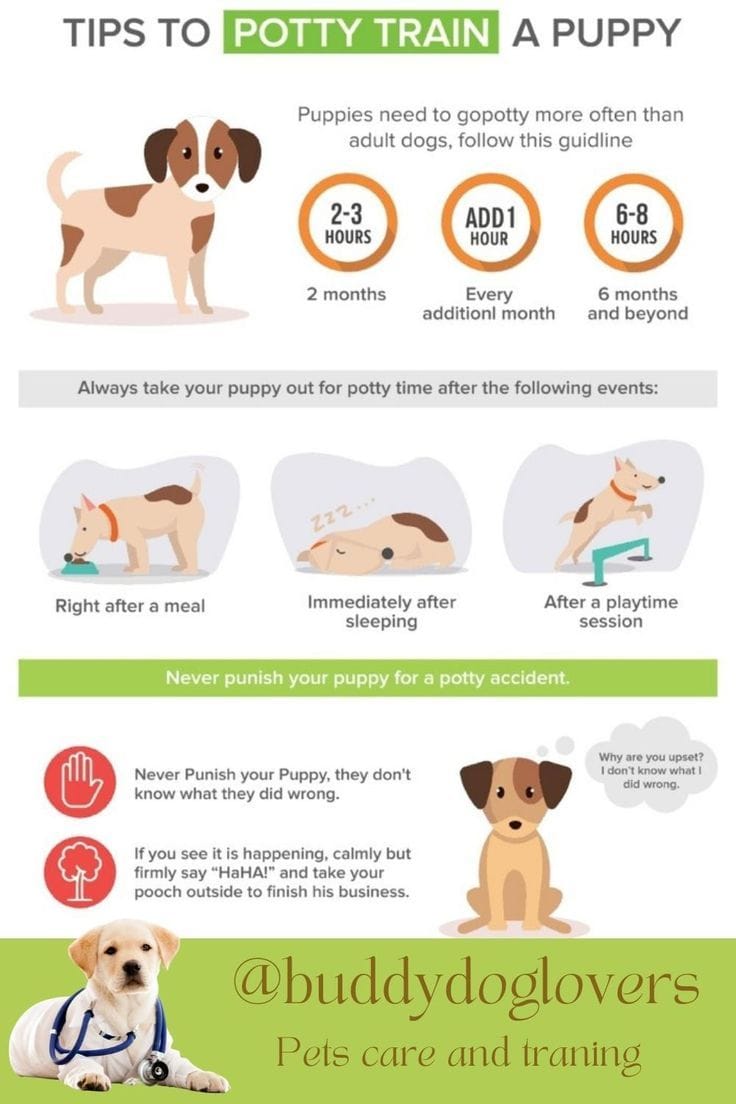
- Frequent Potty Breaks: Puppies, especially, need very frequent trips outside. Plan to take your puppy out:
- First thing in the morning.
- After every meal.
- After naps.
- After periods of play or excitement.
- Right before bedtime.
- Designated Potty Spot: Choose a specific area in your yard where you want your dog to relieve themselves. Take them to this spot every time. The scent of previous eliminations can act as a cue for your dog.
- Use a Cue Word: As your dog is in the process of eliminating, use a consistent cue word, such as “Go potty,” “Hurry up,” or “Do your business.” Over time, your dog will associate the word with the action.
Step-by-Step Guide to Outdoor Potty Training
Now, let’s break down the process into actionable steps.
Step 1: Prepare for Success
- Gather Supplies: You’ll need high-value treats for positive reinforcement, cleaning supplies (enzyme cleaner is best for accidents), a leash, and potentially a crate.
- Supervision is Key: When you are home, supervise your dog closely. Leash your dog indoors if necessary, so they are always with you. This allows you to catch them in the act if they start to squat or sniff around for a potty spot.
Step 2: Implement the Routine
- Take Them Out Frequently: As mentioned, adhere to a strict schedule. Carry puppies out, especially if they are very young, to prevent accidents on the way.
- Go With Them: Don’t just open the door and let them out. Go outside with your dog, stand in the designated potty spot, and wait patiently.
- Reward Immediately: The moment your dog finishes eliminating outside, praise them enthusiastically and give them a high-value treat. This immediate reinforcement is crucial for them to connect the action with the reward.
Step 3: Managing Accidents
Accidents are inevitable, especially in the early stages. The key is how you react.
- Don’t Punish: Never punish your dog for an accident, especially if you find it after the fact. Punishment can create fear and anxiety, making them more likely to hide when they need to go, which will only hinder the training process.
- Interrupt and Redirect: If you catch your dog in the act of having an accident indoors, calmly interrupt them with a clap or a firm “No.” Immediately pick them up (if a puppy) or lead them outside to their designated potty spot. If they finish outside, praise and reward them.
- Clean Thoroughly: Clean up any accidents immediately and thoroughly with an enzymatic cleaner. Regular household cleaners may mask the odor for humans but not for dogs, and the lingering scent can encourage them to use the same spot again.
Step 4: Gradual Freedom and Nighttime Training
As your dog starts having more success outdoors, you can gradually increase their freedom indoors.
- Crate Training for Nights: For nighttime, a crate is invaluable. It prevents accidents while they sleep and helps them learn to hold it. Ensure the crate is the right size – just big enough for them to stand up, turn around, and lie down comfortably. If they are too small, they might use one end as a bathroom. This is particularly helpful for toilet training a dog at night.
- Increase Freedom Slowly: Once your dog is consistently going outside and having minimal accidents, you can start allowing them more unsupervised time in a smaller, dog-proofed area of the house. Gradually expand their access as they prove trustworthy. However, be aware that sometimes a dog might seem fully trained and then suddenly experience a regression, such as with a 2-year old dog regressing potty training.
Troubleshooting Common Potty Training Issues
Even with the best efforts, some dogs present unique challenges. Here are a few common issues and how to address them:
My Dog Won’t Go Outside
- Too Many Distractions: Is the outdoor environment too stimulating? Try a quieter area initially.
- Weather Woes: Some dogs dislike going out in bad weather (rain, snow, extreme cold). Make the trips quick and rewarding. Consider a doggy raincoat or umbrella.
- Fear or Anxiety: Has something negative happened outdoors? Try to identify the cause and desensitize your dog.
My Dog Goes, But Not on the Spot
- Not Enough Time: Are you giving them enough time to fully empty their bladder or bowels?
- Lack of Reinforcement: Are you rewarding them consistently and enthusiastically every single time they go in the right spot?
- Confusing Scent: Is the chosen spot being overwhelmed by other scents?
Medical Issues
If your dog is having frequent accidents despite consistent training, it’s essential to rule out any underlying medical conditions. Urinary tract infections, kidney disease, diabetes, or gastrointestinal issues can all lead to incontinence or sudden changes in potty habits. Consult your veterinarian to rule out any health concerns. For instance, easy to potty train small dogs can sometimes be hindered by hidden medical issues.
Advanced Training and Maintaining Habits
Once your dog is reliably potty trained, the work isn’t entirely over. Maintaining good habits requires ongoing reinforcement and understanding.
Reinforcing Good Behavior
- Occasional Rewards: Even after your dog is reliably potty trained, continue to offer occasional praise and treats when they go outside. This keeps the positive association strong.
- Pawsitive Connection: Remember that potty training is part of building a strong bond. Continue to practice positive reinforcement techniques in all aspects of your relationship, like those found in pawsitive connection dog training.
Recognizing Subtle Cues
Learn to recognize your dog’s pre-potty signals. These can include:
- Circling.
- Sniffing the ground intently.
- Whining or pacing.
- Going to the door.
Responding promptly to these cues can prevent accidents.
Conclusion: Patience and Persistence Lead to Success
Training your dog to go potty outside is a journey that requires patience, consistency, and a deep understanding of your dog’s needs. By establishing a routine, providing consistent positive reinforcement, and managing accidents effectively, you can help your canine companion master this essential life skill. Remember to celebrate successes, learn from setbacks, and always approach training with kindness and love. With dedication, you’ll soon have a reliably housetrained dog, further strengthening the incredible bond you share.
