
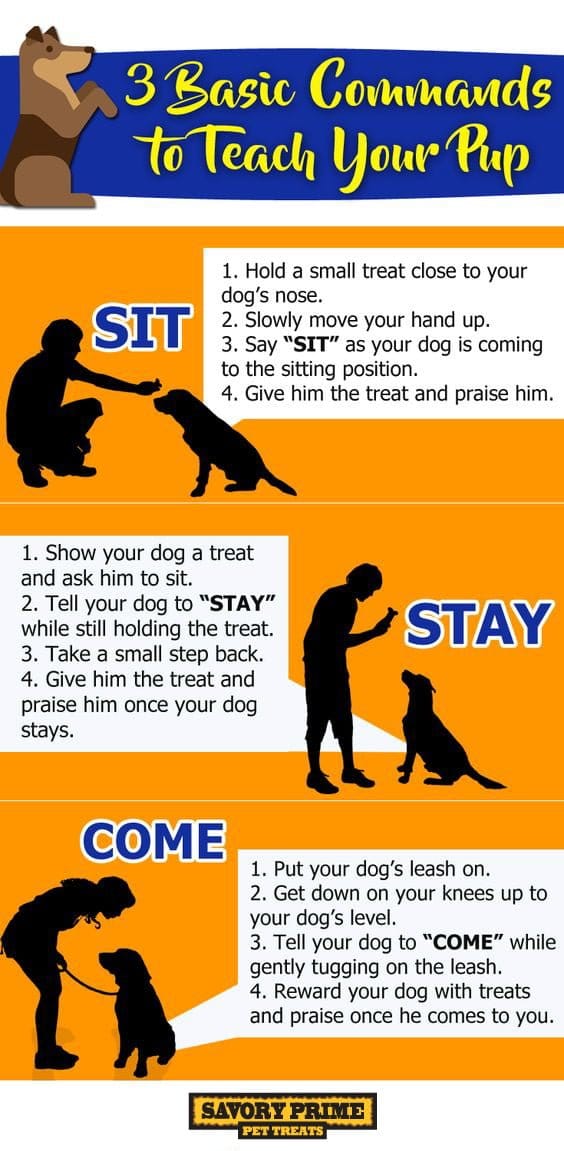
Teaching your dog a new trick is one of the most rewarding parts of being a pet parent. It’s a fantastic way to bond, provide mental stimulation, and let’s be honest, show off a little to friends and family. One of the most classic and charming tricks is the “give paw” or “shake.” It’s surprisingly easy to teach and serves as a great foundation for more complex commands. If you’re wondering How To Train Your Dog To Give Paw, you’ve come to the right place. This guide will walk you through the simple steps to turn your furry friend into a hand-shaking pro.
Before we start, remember that the key to any successful training session is patience and positivity. Every dog learns at a different pace, so keep it fun, light, and full of praise. Just like learning how to train dog to sit, consistency is your best friend.
Getting Started: What You’ll Need
You don’t need a lot of fancy equipment to teach this trick. In fact, you probably have everything you need right at home.
- High-Value Treats: Small, delicious treats that your dog absolutely loves will be your primary motivator. Think tiny pieces of cheese, chicken, or their favorite store-bought training treats.
- A Quiet Space: Choose an area of your home that is free from distractions like other pets, toys, or loud noises. A calm environment helps your dog focus on you and the task at hand.
- Patience and Enthusiasm: Your dog feeds off your energy. Stay positive, use an upbeat tone of voice, and be ready to celebrate the small wins.
The Step-by-Step Guide to Teaching “Paw”
There are a couple of popular, effective methods for teaching this trick. We’ll focus on the most common one, which uses your dog’s natural curiosity to your advantage.
Step 1: Start with a “Sit”
Ask your dog to sit. This gives you a stable, focused starting position. If they’re already sitting comfortably, it’s much easier for them to lift a paw. Reward them for sitting calmly before you even begin the main event.
Step 2: Pique Their Interest with a Treat
Take a tasty treat and close your hand into a fist around it. Let your dog sniff your fist so they know a delicious reward is inside. This is the “lure” that will encourage them to interact with your hand. Hold your fist low, near their chest level and slightly to one side.
Step 3: Wait for the Magic Moment
Now, you wait. Your dog will likely try a few things to get the treat. They might sniff intensely, lick your hand, or nudge it with their nose. Ignore these attempts. Be patient. Eventually, out of curiosity or a bit of frustration, they will lift a paw to touch or scratch at your hand. The very second their paw makes contact with your hand, say an enthusiastic “Yes!” or “Good!” and immediately open your hand to give them the treat.
“This initial paw-to-hand contact is the breakthrough moment,” explains Dr. Evelyn Reed, a seasoned canine behaviorist. “Your job is to mark that exact behavior with a reward. This tells your dog, ‘That! That’s what I want you to do!'”
Step 4: Repeat, Repeat, Repeat
Practice this sequence several times in a row. Close your fist with a treat, present it, wait for the paw, mark the moment with “Yes!”, and reward. Keep your training sessions short and sweet—no more than five minutes at a time is perfect. This prevents your dog from getting bored or frustrated.
Step 5: Introduce the Verbal Cue
Once your dog is consistently pawing at your closed fist to get the treat, it’s time to add the verbal command. Just as they are about to lift their paw, say your chosen cue clearly. “Paw,” “Shake,” or “Give Paw” are all great options. Stick to one to avoid confusion. After you say the cue and they place their paw on your hand, reward them. Repetition will build the association between the word and the action. If you’re looking for professional help, you can always search for dog training by me to find local experts.
Step 6: Fade the Lure
The next step is to transition from having a treat in your hand every time. Start by presenting your closed fist without a treat inside. When your dog paws at it, praise them and give them a treat from your other hand. This teaches them that the reward doesn’t come from the hand they’re shaking.
Step 7: Transition to an Open Hand
After they’ve mastered pawing your fist, try holding out your hand flat, palm-up, in the classic “shake” position. Give your cue, “Paw.” They might be confused at first, but be patient. You can gently tap their paw or move your hand closer to encourage them. When they place their paw on your open palm, give them lots of praise and a treat. This is the final picture!
Troubleshooting Common Problems
Sometimes the training process doesn’t go perfectly. Here are a few common hiccups and how to fix them.
What if my dog just licks or nibbles my hand?
If your dog is more focused on using their mouth, simply ignore it. Don’t pull your hand away quickly, as this can seem like a game. Just hold still and wait. The moment they switch to using their paw, reward them. You only want to reinforce the pawing behavior.
My dog won’t lift their paw at all. What should I do?
Some dogs are less inclined to use their paws. If they aren’t trying to paw your hand, you can try gently tapping the back of their leg or paw. This slight touch can prompt them to lift it. As soon as they do, even if it’s just a tiny bit off the ground, praise and reward. You are rewarding the effort to build their confidence. For more complex challenges, finding a local professional through a search like dog training goldsboro nc might provide the personalized guidance you need.
How do I teach them to offer the other paw?
Once your dog has mastered giving one paw, teaching the other is simple. Hold your hand out on the opposite side and use a different cue, like “Other Paw.” Go through the same steps, rewarding them for using the correct paw.
Beyond the Shake: Advancing the Trick
Once your dog reliably gives you their paw, you can build on this skill.
- High Five: Instead of holding your hand out flat, hold it up vertically and say “High Five!”
- Wave: Once your dog lifts its paw, slowly pull your hand back so they are holding their paw in the air for a moment. Mark and reward this “wave.”
Training isn’t just about the tricks; it’s about building a language and a bond with your dog. Each session is an opportunity for connection and understanding. Just as a professional would use effective communication tools like dog trainer business cards to connect with clients, you are using treats and praise to connect with your canine companion.
Frequently Asked Questions (FAQ)
At what age can I start teaching my puppy to give paw?
You can start teaching this trick to puppies as young as 8 weeks old. Puppies are quick learners, and early training helps with their socialization and cognitive development. Just keep sessions very short and positive.
How long will it take to teach my dog to give paw?
This varies greatly depending on the dog’s age, breed, and personality. Some dogs might pick it up in a single day, while others may take a week or more of consistent, short training sessions.
Should I grab my dog’s paw to show them what to do?
It’s generally better to let the dog offer the behavior themselves. Gently taking their paw can work for some dogs, but it can make others uncomfortable or resistant to having their feet touched. The luring method encourages them to think and problem-solve.
My dog is getting frustrated. What should I do?
If you notice signs of frustration like barking, whining, or disengaging, it’s time to end the session. Always try to end on a positive note. Ask them for a command they know well (like “sit”), reward them for it, and try again later.
Can I teach an old dog this new trick?
Absolutely! Dogs of any age can learn new things. Senior dogs benefit greatly from the mental stimulation of learning new tricks. You may need a little extra patience, but the process is the same.
Conclusion
Teaching your dog to give paw is more than just a cute party trick; it’s a valuable exercise in communication and a wonderful way to strengthen your bond. By using positive reinforcement, patience, and clear steps, you can successfully teach this classic command. Remember to keep it fun, celebrate every small success, and cherish the time you spend learning together. Mastering how to train your dog to give paw is a simple achievement that will bring smiles to faces and wags to tails for years to come.
