
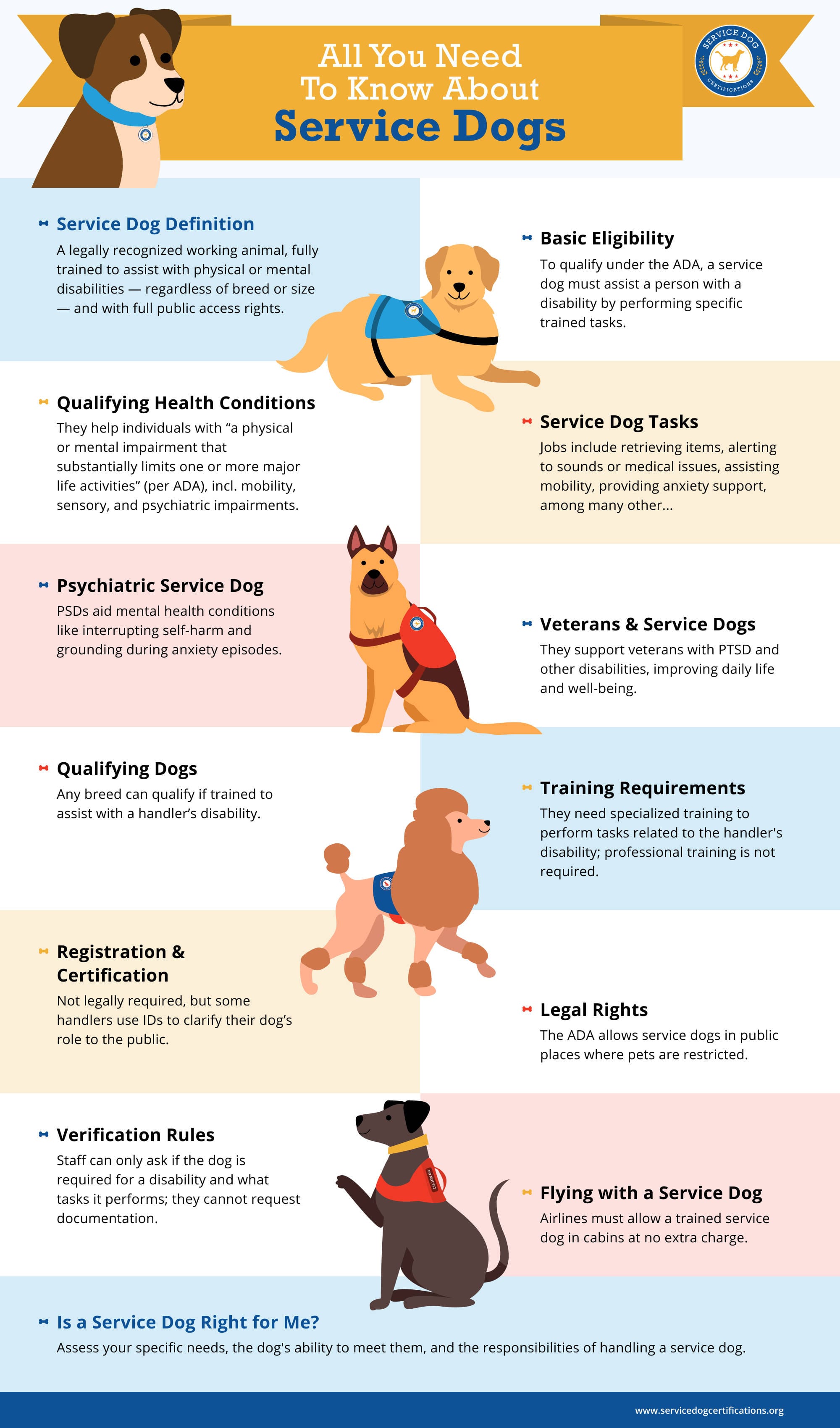
Training your dog to become an Emotional Support Animal (ESA) is a journey that requires patience, consistency, and a deep understanding of your dog’s needs and capabilities. ESAs provide invaluable comfort and support to individuals experiencing emotional or psychological challenges, and the bond they share is built on trust and clear communication. While ESAs don’t require the same level of task-specific training as service dogs, they still benefit greatly from foundational obedience and socialization. This guide will walk you through the essential steps to train your dog to be a well-behaved and comforting ESA.
Understanding the Role of an Emotional Support Animal
Before diving into training, it’s crucial to grasp what an ESA is and what they are not. An ESA is an animal that provides therapeutic benefit to its owner through companionship and affection. Unlike service dogs, ESAs are not trained to perform specific tasks related to a person’s disability. Their primary role is to offer emotional support and a calming presence. This distinction is important because it influences the type and intensity of training required. The goal for an ESA is to be a well-behaved companion in various settings, demonstrating calmness, responsiveness, and good manners.
Laying the Foundation: Basic Obedience for Your ESA
The cornerstone of training any dog, including an ESA, is a solid foundation in basic obedience. These commands ensure your dog is manageable, safe, and a pleasure to be around, whether at home or in public spaces where ESAs may be permitted.
Key Commands to Master
- Sit: Teach your dog to sit on command. This is a fundamental command for impulse control and is useful in many situations.
- Stay: This command is crucial for ensuring your dog remains in a designated spot, preventing them from wandering off or becoming a nuisance.
- Come: A reliable recall is paramount for safety. Your dog should come to you immediately when called.
- Down: Similar to “sit,” the “down” command encourages relaxation and can be used to calm an anxious dog.
- Leave It: This command teaches your dog to ignore tempting distractions, whether it’s dropped food or an interesting object.
Implementing Training Techniques
Positive reinforcement is the most effective and humane method for training ESAs. This involves rewarding desired behaviors with treats, praise, or a favorite toy. Consistency is key; ensure all household members use the same commands and reward system. Short, frequent training sessions (10-15 minutes) are more effective than long, infrequent ones, especially for maintaining your dog’s focus and enthusiasm.
Socialization: Crucial for a Well-Adjusted ESA
Proper socialization is as vital as obedience training for an ESA. It means exposing your dog to a wide range of sights, sounds, people, and other animals in a positive and controlled manner. A well-socialized ESA will be more confident, less fearful, and better equipped to handle the varying environments they might accompany you in.
Exposing Your Dog to New Experiences
- People: Introduce your dog to people of different ages, appearances, and behaviors. Ensure these interactions are positive and not overwhelming.
- Environments: Gradually expose your dog to different places like parks, quiet streets, and eventually more populated areas. Always monitor your dog’s stress signals and retreat if they seem overwhelmed.
- Sounds: Play recordings of various household noises, traffic, or other sounds that might be encountered.
- Other Animals: If your dog will be around other animals, introduce them carefully and under supervision.
Remember to make these experiences as positive as possible. Use treats and praise to create good associations with new stimuli. If your dog shows signs of fear or anxiety, don’t force them. Instead, create more distance and let them observe from a safe space, rewarding calmness.
Developing a Calm Demeanor
An ESA’s primary function is to provide comfort. Therefore, training your dog to maintain a calm demeanor in various situations is essential. This involves teaching them to settle, relax, and not be overly reactive to their surroundings.
Teaching Your Dog to Settle
Encourage your dog to lie down and relax on a mat or bed. Reward them for being quiet and still. You can gradually increase the duration they are expected to settle. This is particularly useful in situations where you might need your dog to be quiet and unobtrusive. For more advanced techniques on how to teach a dog to come to you or to settle, consider resources that offer step-by-step guidance.
Managing Excitement and Reactivity
It’s natural for dogs to get excited, but an ESA should be able to manage their enthusiasm. If your dog barks excessively, jumps, or becomes overly agitated, these are behaviors that need addressing. Identify triggers and work on desensitization and counter-conditioning. For instance, if your dog reacts to visitors, practice having visitors enter calmly and reward your dog for remaining composed. Exploring options like how to get cesar millan to train your dog might offer insights into managing challenging behaviors.
Addressing Specific ESA Needs
While formal task training isn’t required, some aspects of an ESA’s behavior are critical for their role. This includes being comfortable in a carrier or crate if needed, and having excellent leash manners.
Crate Training (Optional but Recommended)
Crate training can provide your dog with a safe den-like space and is beneficial for travel or situations where they need to be confined. Ensure the crate is a positive space, never used for punishment.
Leash Manners
Your ESA should walk politely on a leash without pulling, lunging, or reacting to distractions. This requires consistent practice and reinforcement of loose-leash walking.
The Legal and Practical Aspects of ESAs
Understanding the regulations surrounding ESAs is crucial. While ESAs offer comfort, they do not have the same public access rights as service dogs. However, under laws like the Fair Housing Act (FHA) in the United States, ESAs are typically allowed in housing that normally prohibits pets, provided certain conditions are met. It’s important to have documentation from a mental health professional supporting your need for an ESA.
For those considering specific training programs, resources like esa trained dogs for adoption can offer a starting point, though direct training with your own dog is often preferred for building a strong bond.
Conclusion: The Rewarding Journey of Training Your ESA
Training your dog to be an Emotional Support Animal is a deeply rewarding experience. It strengthens your bond, enhances your dog’s well-being, and ultimately improves your quality of life. By focusing on positive reinforcement, consistent obedience training, and thorough socialization, you can help your canine companion become a source of unwavering comfort and support. Remember that every dog is an individual, so adapt these guidelines to your dog’s specific personality and needs. The journey to a well-trained ESA is ongoing, built on love, understanding, and a commitment to their happiness and well-being. If you are looking for specific guidance on dog training, such as dog training costa mesa or general advice on how to teach a dog to come to you, professional resources can provide tailored strategies.
