
Learning to come when called, or demonstrating a reliable recall, stands as one of the most critical skills any dog can acquire. It’s a fundamental aspect of canine safety and responsible pet ownership, allowing you to confidently manage your dog in various environments. Yet, teaching a truly dependable recall can be challenging, as the world offers countless fascinating distractions to our curious companions. Each time we issue a recall cue, we’re asking our dogs to disengage from whatever captivating activity they’re involved in and turn their attention back to us. To build a solid recall, we must consistently teach our dogs that being close to us is the most rewarding and enjoyable choice they can make, outshining all other stimuli. This guide will walk you through how to train your dog for better recall, ensuring they respond eagerly every time.
Understanding Reliable Recall
“Reliable recall” signifies a level of training where, upon hearing your call, you are almost entirely confident—99.99% sure—that your dog will enthusiastically respond and return to you. While dogs are not programmed machines and absolute certainty is never possible, for a potentially life-saving skill like recall, our aim is to achieve the highest possible consistency.
Achieving a reliable recall is paramount, especially if you plan to allow your dog off-leash outside of a securely fenced yard or a designated dog park. Beyond recreational freedom, a strong recall is indispensable in emergency situations, offering a crucial layer of safety for your pet. When building this essential skill, remember that just as you might teach a puppy manners, understanding how to train a puppy not to jump requires patience and positive reinforcement, similar to building a strong recall.
Prioritizing Safety: Alternatives to Off-Leash Play
There is absolutely no shame in keeping your dog on-leash if you lack confidence in their recall abilities. In fact, prioritizing safety by doing so is a hallmark of a responsible owner. Instead of risking an unsafe off-leash situation, consider allowing your dog to play in secure, fenced areas, or utilize a long leash. These options can provide your dog with ample opportunity to explore, sniff, and move freely, all while remaining safe and under your control.
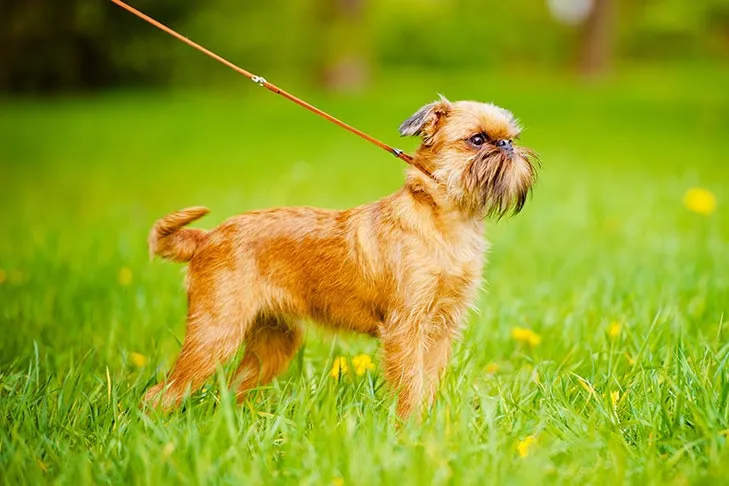 Small Brussels Griffon dog on a leash, standing in green grass, demonstrating safe outdoor exploration for dogs without reliable recall.
Regardless of the strength of your dog’s recall, it’s vital to always respect local leash laws. This applies not only to public spaces but also to areas like your front yard or any part of your property that isn’t fully fenced. Local, state, and national parks almost invariably have these regulations in effect, and adherence is crucial for both your dog’s safety and community harmony.
The Foundation: Starting Your Recall Training
An essential component of effective recall training is to transform the learning process into an engaging game for your dog. Begin your training sessions in a calm, low-distraction environment, such as inside your home. Initially, capture your dog’s attention with a favorite toy or a highly palatable treat. As they begin to move towards you, offer enthusiastic verbal praise, and upon their arrival, immediately provide the promised reward. After several repetitions of this sequence, introduce your chosen verbal cue (e.g., “Come,” “Here,” “Close”). Crucially, only add the cue when you are certain your dog is already moving in your direction, ensuring they associate the word with the action.
Once your dog consistently responds, you can gradually increase the challenge. Start by asking your dog to come before showing them the treat, rewarding them with a high-value item like cooked chicken, a small piece of cheese, or beef liver when they reach you. Simultaneously, slowly increase the distance between you and your dog within the familiar, low-distraction setting. Beyond recall, mastering control over your dog’s actions, such as preventing them from jumping up on people, contributes to a well-behaved companion.
Engaging Recall Games to Boost Enthusiasm
Integrating games into your recall training can significantly enhance your dog’s enthusiasm and responsiveness.
- Catch Me: While walking your dog on a leash, get their attention, then turn around and playfully run a few steps away. As your pup starts to move with you, call out your recall cue. After a short dash, stop and reward them with a treat or toy. Always ensure your dog is attentive before you run to prevent any sudden tugs on the leash.
- Find Me: Once your dog is proficient with basic recall, you can build speed and excitement by calling them from another room. When your dog successfully locates you, shower them with abundant praise and rewards. This hide-and-seek-like game is a fantastic bonding activity for both you and your pet!
- Hot Potato: Enlist two or more family members or friends, each equipped with high-value treats. Stand a fair distance apart and take turns calling your dog between you. Reward your dog generously each time they come to the person who called them.
A common mistake in recall training is to consistently recall your dog, put their leash on, and immediately go home. Dogs are intelligent and will quickly learn to associate recall with the end of their fun, making them less likely to respond eagerly in the future. A more effective practice method is to recall, praise, and treat, then release your dog to continue whatever they were doing. This teaches them that “coming” doesn’t always mean the good times are over.
Addressing a “Poisoned” Recall Cue
“Come! Come! Come! Come! Come! Please come!”
If this frantic repetition sounds like your current recall attempt, you might be dealing with a “poisoned cue.” This often happens unintentionally when a verbal cue either loses its clear meaning or takes on a negative association for the dog, leading them to ignore it. The easiest way to poison a cue is to overuse it, repeating the word endlessly without your dog ever responding appropriately.
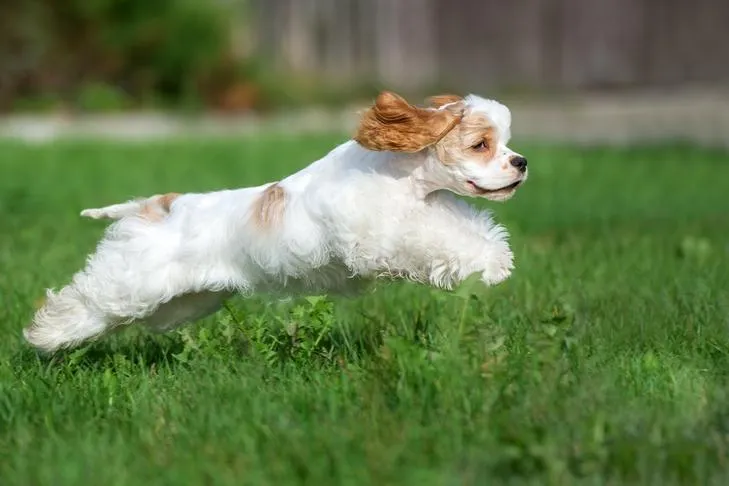 Energetic Cocker Spaniel running freely in a backyard, illustrating the joy of off-leash play after successful recall training.
In such a scenario, the most effective course of action is to adopt a completely new verbal cue. For example, if you’ve been using “come,” switch to something fresh like “here,” “close,” or “touch.” Then, go back to the very basics, reintroducing this new recall cue in a low-distraction environment, as if starting from scratch. Consistency in training is key, whether you’re working on recall or teaching your dog to not jump on you when greeting.
Essential Tips for Reliable Recall Training
To ensure your dog consistently returns when called, keep these crucial tips in mind:
- Avoid Repeating Yourself: If you find yourself having to repeat your recall cue multiple times, it’s a strong indicator that the environment is too distracting for your dog, or they haven’t yet mastered the skill at that particular level of difficulty. Scale back to a less challenging setting.
- Reward Eye Contact: Whenever you notice your dog voluntarily looking at you or choosing to be close, offer verbal praise and a treat. While you might use many treats initially, you are reinforcing a vital lesson: when your dog is near you and pays attention, wonderful things happen. Rewarding calm behavior, much like you would to prevent your puppy from jumping in excitement, reinforces the idea that good things happen when they listen and stay focused.
- Never Punish for Coming: Even if you’re frustrated because your dog took their time to respond, always praise and reward them for eventually coming. Punishing them upon arrival will create a negative association with coming to you, making future recalls even less likely.
- Reward Lavishly! When actively training recall, consistently use high-value treats and favorite toys. This is especially important during the learning phase. Always reward the recall, as you want your dog to strongly associate responding to your call with receiving something truly fantastic.
- Practice Daily: Integrate short, consistent recall practice sessions into your daily routine. Gradually increase the difficulty and introduce new levels of distraction. Moving too quickly through these stages is likely to confuse your dog and can undermine the reliability of their recall.
- Emergency Recall: Don’t Chase: If you need to recall your dog in an emergency and they don’t immediately respond, resist the urge to chase them. Chasing often transforms the situation into a game for your dog, inspiring them to run further away. Instead, try turning and running away from your dog, which often triggers their natural instinct to chase and follow you.
Conclusion
Building a truly reliable recall is a journey of patience, consistency, and positive reinforcement, but it is one of the most valuable investments you can make in your dog’s training and safety. By understanding the principles of reliable recall, creating engaging training games, addressing common pitfalls like poisoned cues, and applying consistent, rewarding techniques, you can empower your dog to return to you with enthusiasm in any situation. This essential skill not only safeguards your companion but also strengthens the bond you share, allowing for greater freedom and more joyful experiences together. Continue practicing daily, celebrate every success, and witness the transformation in your dog’s responsiveness and your peace of mind.
