
Bringing a new feline companion into your home is an exciting experience, and understanding how they learn is key to building a strong bond and ensuring their well-being. While cats may not be as commonly associated with training as dogs, they are constantly learning from their environment and interactions. This guide delves into the science behind feline learning, exploring effective training methods and the significant benefits they offer to both cats and their owners. By understanding these principles, you can create a more harmonious and enriching life for your cat.
How Cats Learn
Contrary to the belief that cats are untrainable, they are, in fact, adept learners. They learn through everyday experiences, such as associating your lap with petting or the shake of a treat packet with a reward. However, they can also learn negative associations, such as linking their carrier with a stressful trip to the veterinarian. While teaching tricks can be a fun way to bond, it’s crucial to prioritize essential life skills like carrier training, vet acclimation, grooming, and responding to their name. Dr. Sarah Ellis, an expert in feline behavior, emphasizes that training equips cats with the necessary skills to live comfortably with humans, without compromising their essential feline nature.
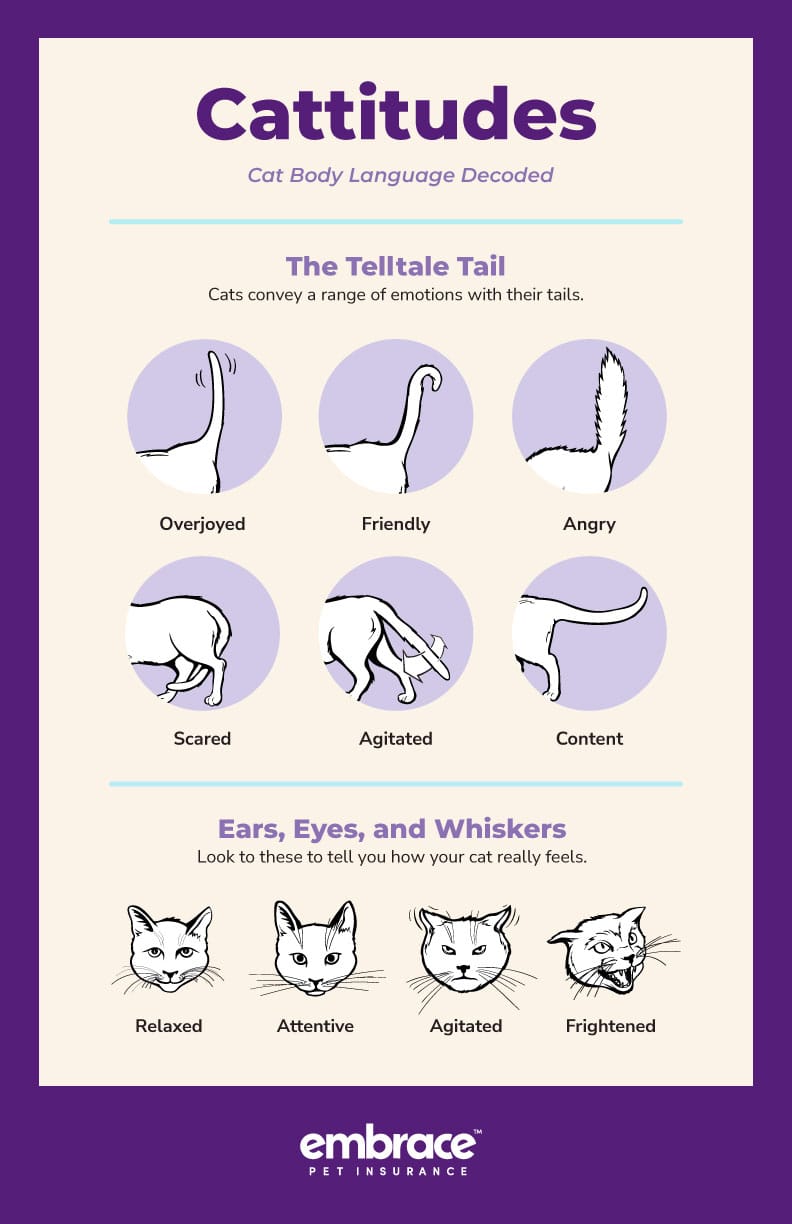
To effectively train a cat, positive reinforcement is paramount. While some cats might respond to verbal praise, most are motivated by rewards, with food being the most common and effective. It’s important to use small, calorie-conscious treats, as many commercial cat treats are too large for training purposes. Breaking down treats or using small pieces of tuna or prawn are excellent options. Dr. Ellis advises cutting commercial treats into much smaller portions or using freeze-dried varieties that can be easily divided. If your cat is prone to biting when taking treats, offering them from a spoon, a stick, or directly from a tube can prevent accidental nips. Short, engaging training sessions are best to prevent boredom or frustration, with breaks in between. Signs of a happy cat include purring and rubbing against you, while a cat walking away indicates they may need a break or a different approach.
Cats learn through associative learning, which includes learning by consequence (operant conditioning) and learning by association with events (classical conditioning).
Associative Learning
Operant conditioning involves learning through reinforcement or punishment. Positive reinforcement, such as offering a food treat for a desired behavior, encourages the cat to repeat that action. Negative reinforcement, where an unpleasant stimulus is removed upon desired behavior, is generally not recommended due to potential welfare risks.
Negative punishment involves withholding a desired item or attention to decrease an unwanted behavior. For instance, if a cat bites during petting, stopping the petting can reduce the biting. However, it’s crucial to understand the cat’s motivation; biting can also occur due to overstimulation or a desire to end the petting. In such cases, the cat might be using positive punishment by biting to stop the petting.
Positive punishment, such as spraying a cat with water to deter them from counter-surfing, is strongly discouraged. A more effective approach involves redirecting the behavior. For example, providing an attractive alternative, like a cat tree near the counter, and rewarding the cat for using it can be more successful.
Extinction occurs when the consequences for a behavior cease, leading the behavior to disappear. For example, if a cat is no longer rewarded for coming when called, they may stop responding. An “extinction burst” may occur, where the cat intensifies the behavior in an attempt to regain the reward.
Research suggests that punishment-based training methods can lead to behavioral issues in cats. Studies indicate a higher likelihood of inappropriate elimination and aggression in homes where positive punishment is used. While more research is needed on cat training, studies with dogs show that aversive methods carry risks of fear, stress, and aggression, potentially damaging the owner-animal relationship. Positive reinforcement is often found to be more effective.
Dr. Ellis highlights that punishment, while it may stop a behavior, can damage the owner’s relationship with their cat. If the punishment is perceived as coming from the owner, the cat may associate them with negative experiences, leading to anxiety or fear. It’s essential to meet a cat’s natural needs, such as providing scratching posts, rather than punishing natural behaviors.
There are several methods for training cats:
- Capturing: Rewarding a behavior that occurs naturally, like a sit, and associating it with a cue.
- Luring: Using a treat to guide the cat into a desired position, such as a sit.
- Shaping: Gradually reinforcing successive approximations of a behavior, often with a clicker or marker word.
Classical conditioning, or respondent conditioning, involves learning through association with events, such as Pavlov’s dogs associating a bell with food. In counter-conditioning, a cat can learn to associate a previously feared object, like a carrier, with positive experiences, such as receiving a favorite treat. It is vital that the carrier predicts the treat, not the other way around, and that high-value treats are used consistently.
Other Types of Learning
- Single-event learning: Learning from a single, impactful experience, which can be beneficial for avoiding harmful substances but can also lead to negative associations, like a cat fearing its carrier after a bad vet visit.
- Habituation: Becoming accustomed to repeated, non-threatening stimuli, such as household noises.
- Sensitization: An exaggerated response to a stimulus that may have initially been neutral or mildly startling.
- Social learning: Learning by observing others, including humans and other cats. Kittens, in particular, benefit from positive social experiences during their sensitive socialization period.
The Benefits of Training Cats
Training offers numerous advantages for cats, significantly improving their welfare and strengthening the human-animal bond. Veterinary behaviorist Dr. Wailani Sung emphasizes that teaching basic life skills can foster a deeper connection between owner and cat.
Carrier training is particularly beneficial, transforming a dreaded experience into a more positive one. A study published in Applied Animal Behaviour Science demonstrated that cats trained to use their carriers exhibited less stress during transport and veterinary examinations. Trained cats were less likely to pant or hide, and vet exams were completed more efficiently. Keeping the carrier accessible and associating it with positive experiences can help maintain these benefits.
Training has also shown positive effects on shelter cats. Studies indicate that clicker training can help shy cats build positive associations with people and that training can reduce frustration behaviors in cats housed in shelters. These programs provide cognitive enrichment and can lead to improved welfare, with cats showing more contentment and reduced stress.
When training your cat, focus on life skills that enhance their welfare, such as carrier acceptance, grooming, and medication administration. Early training with kittens can prevent the development of negative associations. Keep sessions short, fun, and voluntary, using positive reinforcement with highly motivating rewards. Ideally, training should be an enjoyable experience for both you and your cat, fostering a stronger relationship and a happier, healthier pet.
APPLY THE SCIENCE AT HOME
- Prioritize teaching essential life skills over mere tricks. Identify behaviors that will benefit your cat’s welfare, such as responding to their name or tolerating grooming.
- Discover what motivates your cat most—usually food—and use it consistently as a reward. Cats need motivation to learn.
- While tricks can be entertaining and provide enrichment, focus first on practical skills that improve your cat’s quality of life.
- Avoid punishment-based training methods. These can cause stress, damage your relationship, and do not teach the cat the desired behavior.
- Ensure you are meeting your cat’s fundamental needs. For example, provide appropriate scratching posts and reward their use, rather than punishing natural scratching behavior.
Adapted with permission of the publisher from the book Purr: The Science of Making Your Cat Happy written by Zazie Todd and published by Greystone Books in May 2022.
