
Cats are independent creatures, and it’s not uncommon for them to occasionally wander off. Even with a loving home, a well-fed diet, and plenty of playtime, you might still face the worry of your cat going missing. Understanding the primary reasons behind this behavior is the first step in preventing escape attempts and ensuring your feline friend’s safety. This article explores the ten most common reasons cats run away and provides practical solutions to keep them close to home.
Understanding Your Cat’s Wanderlust
Cats possess a strong sense of territory and instinct that can drive them to explore beyond the confines of their home. While it can be distressing when your cat disappears, knowing the underlying causes can help you address the issue effectively.
1. Reproductive Instinct
A significant motivator for cats to roam is their natural reproductive drive. Unspayed female cats in heat and unneutered male cats are more prone to seeking mates outside the home. This instinct can override their sense of security and lead them to venture further, often ignoring barriers like fences.
2. Stress and Anxiety
Cats are highly sensitive to changes in their environment and routine. Events such as moving to a new house, the introduction of a new pet or family member, home renovations, or even loud noises can induce stress and anxiety. In such situations, a cat might seek a quieter, safer place to cope with their distress.
3. Hunting Instinct
The primal urge to hunt is deeply ingrained in cats, regardless of how well-fed they are. This instinct drives them to stalk and chase prey. If your cat spends time outdoors, it’s natural for them to roam in search of potential prey, which can lead them away from familiar surroundings.
A GPS tracker can be a valuable tool to map your cat’s territory and understand their hunting habits, offering peace of mind in case they go missing. (Like following their every step in real-time.)
4. Neglect or Abandonment
A cat that feels neglected or abandoned may be more inclined to seek comfort or necessities elsewhere. This can stem from spending too much time alone, insufficient food or water, or a general lack of care. Ensuring your cat receives adequate attention and meets their basic needs is crucial.
For those with outdoor cats, providing a warm and safe shelter, especially during colder months, is essential. Read our guide on how to care for a new kitten or cat to ensure you’re meeting all their requirements.
5. Territorial Behavior
Cats are territorial animals, and the area they consider their domain extends beyond your home. They may roam to defend their territory from other cats or to establish their presence. If your cat feels threatened by other animals encroaching on their space, they might spend less time at home.
6. Fear
Sudden loud noises, aggressive animals, or other frightening stimuli can trigger a cat’s fear response. This often results in a “flight” reaction, causing them to run and hide. In some cases, they might “freeze,” remaining hidden nearby until they feel safe enough to emerge.
7. Unintentional Adoption by Others
Friendly neighbors or passersby might be charmed by your cat and offer them food or shelter, inadvertently making them feel welcome elsewhere. To prevent this, ensure your cat wears a safety collar with an ID tag clearly stating they belong to you. A microchip ID provides a more permanent form of identification.
8. Pregnant Cats Seeking a Safe Birthing Place
Pregnant cats instinctively seek secluded, safe, and private locations to give birth. If your home environment is stressful or lacks quiet hiding spots, a pregnant cat may venture out to find a suitable place for her kittens.
9. Illness
When cats are unwell, they often seek isolation to rest and recover without disturbance. They might choose a quiet, hidden spot away from their usual environment, which could be outside your home. Recognizing the signs of sickness is vital; refer to our guide on How To Tell If Your Cat Is Sick: Signs Your Feline Friend Isn’t Feeling Well.
10. Curiosity and Exploration
Cats are naturally curious and love to explore their surroundings. This inquisitiveness can lead them to wander, sometimes getting themselves into tricky situations. They might explore open garages, cars, or narrow spaces, and with distractions or while hunting, they can easily wander further than intended.
Where Do Cats Go When They Run Away?
When a cat goes missing, it’s common to imagine them far away, but in most cases, they are usually hiding nearby. Fear, curiosity, or being chased can lead them to seek shelter in quiet, secure locations such as under decks, in garages, dense shrubbery, or even in neighbors’ homes. Indoor cats that escape are particularly vulnerable and tend to hide close to home. Outdoor cats might explore a larger area, especially if enticed by food or other animals, making them harder to find.
Why Do Cats Run Away and Not Come Back?
While many cats return after a short period, some may not come back due to various reasons. These include encounters with natural predators, injury or illness from outdoor hazards, being picked up by animal control, theft, or intentional abandonment.
How Missing Cats Find Their Way Home
Fortunately, cats possess remarkable homing instincts. Their ability to navigate and recognize familiar scents and landmarks often helps them find their way back, provided they are not significantly hindered by external factors.
How to Stop a Cat From Running Off
Preventing your cat from running away involves a combination of responsible pet ownership and environmental management.
- Spay or Neuter: This is one of the most effective ways to reduce roaming behavior driven by reproductive instincts.
- Keep Your Cat Indoors: Whenever possible, especially during dawn, dusk, or adverse weather conditions.
- Create a Catio: An outdoor enclosure allows your cat to enjoy fresh air safely.
- Microchip and ID Tags: Ensure your cat is identifiable with a microchip and a collar with an ID tag.
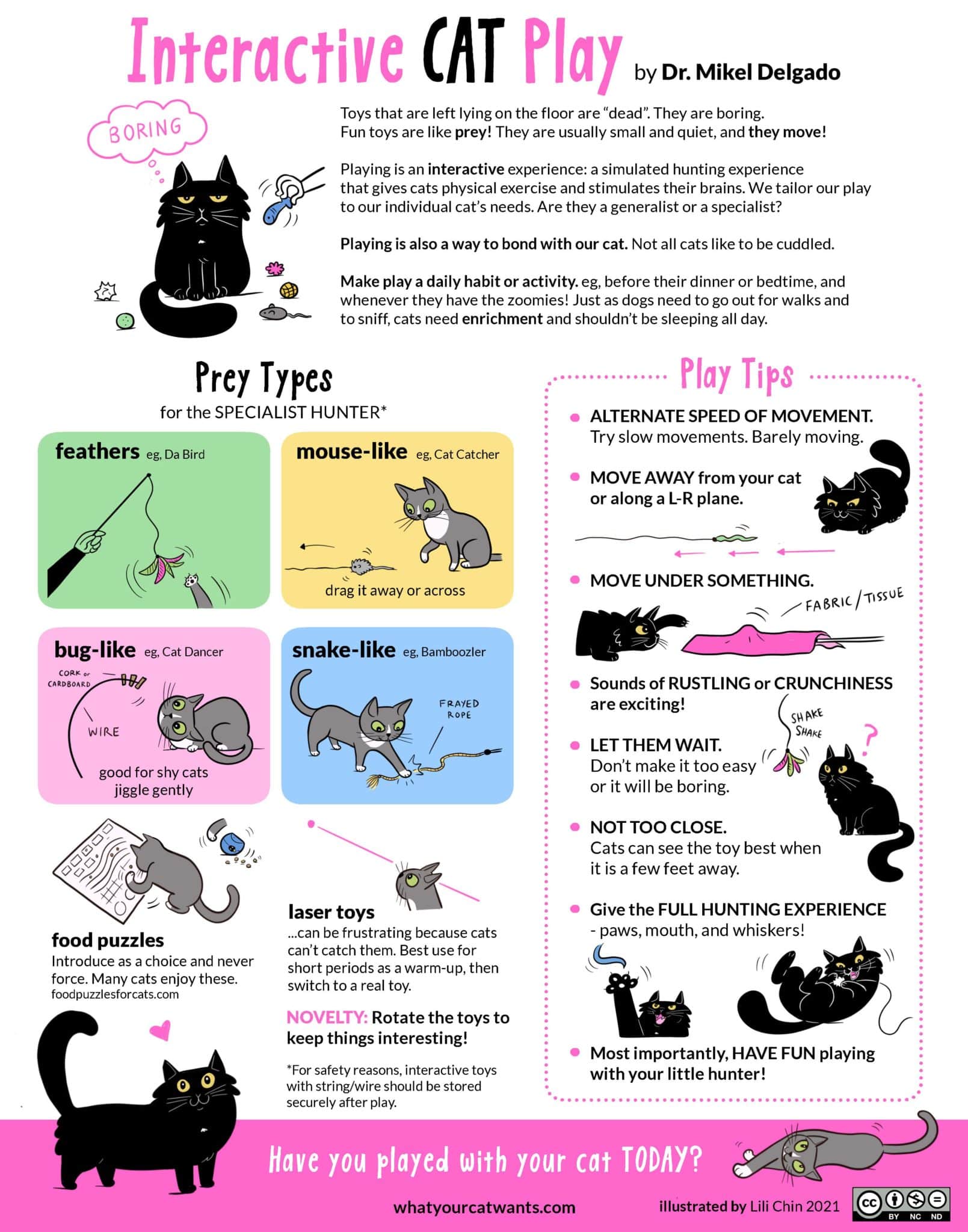
- Provide Enrichment: Keep your cat stimulated at home with toys and activities to prevent boredom-related wandering.
- Virtual Fences: Utilize tools like the Tractive GPS Virtual Fence to set safe zones and receive alerts if your cat strays.
- Secure Escape Routes: Cat-proof your home, yard, or catio to minimize opportunities for escape.
- Positive Reinforcement Training: Train your cat to respond to their name and come when called.
- Manage Stress: Be mindful of household changes and provide extra comfort to anxious cats.
- Meet Their Needs: Ensure constant access to food, water, stimulating activities, and affection.
- Leash Training: Consider using a harness and leash for supervised outdoor excursions.
Where a Cat GPS Tracker Can Step In
A cat GPS tracker can be an invaluable tool for owners of outdoor cats. With live tracking, you can monitor your cat’s movements in real-time and review their Location History to understand their whereabouts. Features like Virtual Fences provide immediate escape alerts, allowing you to react swiftly if your cat ventures beyond a designated safe zone.
Discover Tractive GPS
