
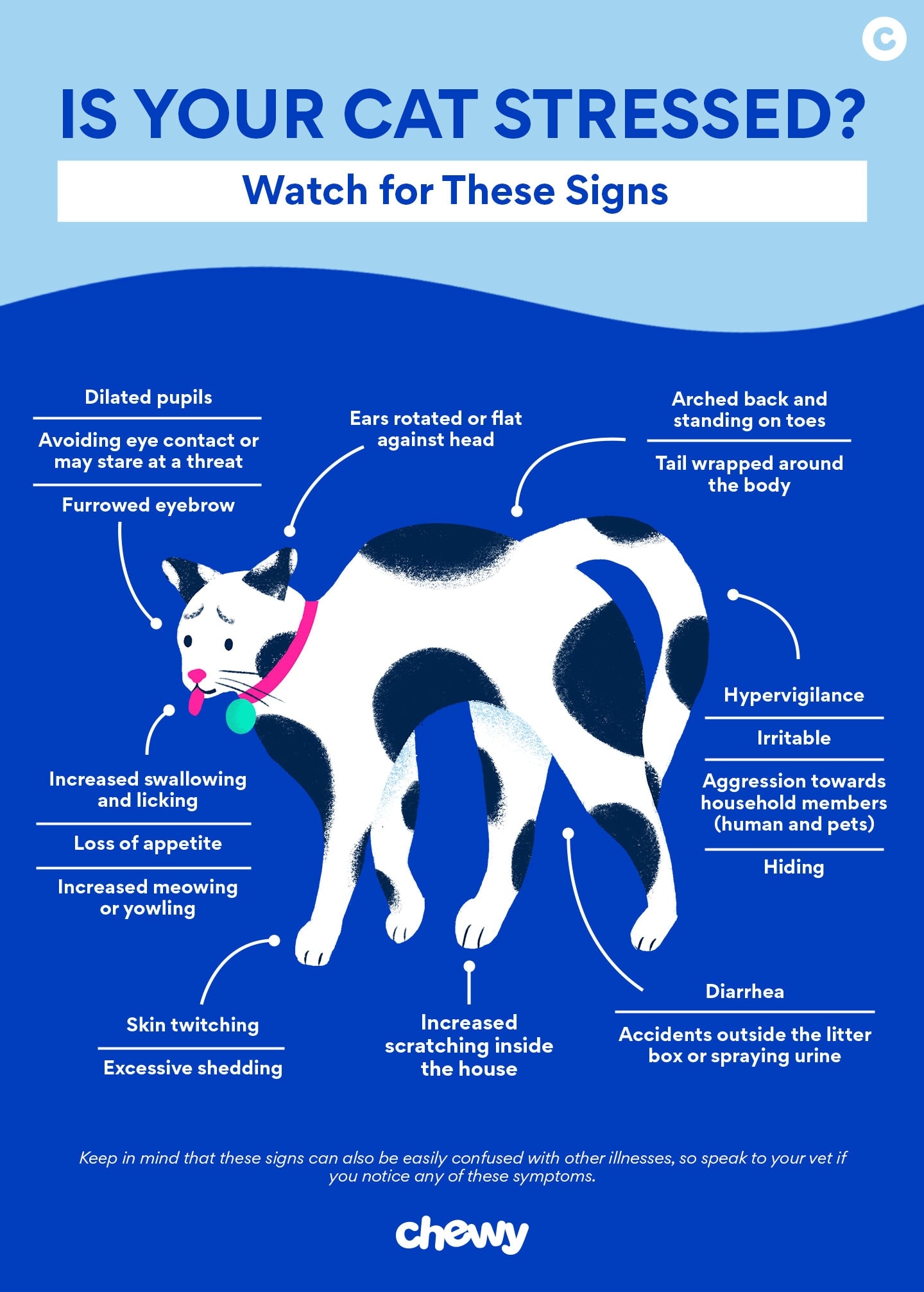
Cats can experience anxiety just like dogs, and it can manifest in various ways. Understanding the signs and knowing how to help your feline friend cope is crucial for their well-being. This guide explores five veterinarian-approved methods to help calm an anxious cat, ensuring a happier and healthier life for your pet.
1. Create a Relaxing Environment
A cat’s environment plays a significant role in their emotional state. Creating a safe and stimulating space can greatly reduce stress.
Encourage Natural Behaviors
Indoor cats retain the natural instincts of their outdoor counterparts, including scratching, chewing, hunting, playing, and climbing. A well-designed environment supports these behaviors, providing an outlet for their energy and instincts. Consider using baby gates to create a dedicated “cat-only” zone, protecting them from boisterous children or other pets. Using a gate can provide a much-needed sanctuary.
Provide Vertical Spaces and Warm Spots
Cats often feel more secure when they can observe their surroundings from a high vantage point. Offering cat trees, window seats, and elevated beds caters to this natural inclination and enriches their living space. Cats also seek warmth, so self-warming beds or beds placed in sunny spots can enhance their comfort. When using heated beds, always be mindful of potential dangers, such as electrical cords, especially if your cat has a tendency to chew.
Offer Scratching Opportunities
Scratching is a vital behavior for cats, aiding in claw health and territorial marking. Providing a variety of scratching posts, both vertical and horizontal, is essential. A tall scratching post placed near their resting area is often a preferred spot for cats to express this natural behavior. These opportunities help cats manage their claws and reduce anxiety.
Include Engaging Toys and Stimulating Scents
A safe space should also be equipped with engaging toys that encourage natural hunting and playing behaviors. Interactive toys, crinkle balls, or even simple cardboard boxes with toilet paper rolls can provide hours of entertainment. Catnip is another excellent way to reduce a cat’s anxiety; its stimulating scent can be incorporated through catnip toys or by sprinkling it in their designated area. Hiding treats also engages their sense of smell and provides a positive distraction.
It’s important that your cat has access to this safe space even during non-stressful times. Associating the space only with stressful events can lead to negative conditioning. Ensure the area is equipped with their basic needs, including fresh water, food, and a clean litter box.
2. Play Soft Music or White Noise
Auditory stimuli can significantly impact a cat’s mood. While classical music might relax humans, specific “cat music” is designed to resonate with feline hearing frequencies and tempos, potentially offering a more effective calming effect. If loud noises trigger anxiety, consider using a white noise machine to mask them. However, ensure the volume is appropriate, as unpleasant or overly loud noises can exacerbate anxiety. Using a speaker specifically for cat music can be beneficial.
3. Make Time for Play and Interaction
Regular play sessions are vital for a cat’s mental and physical health, allowing them to engage in natural hunting and play behaviors. Interactive toys, such as wand toys or puzzle feeders, can keep them mentally stimulated and physically active. If your cat is less inclined to play with toys, gentle grooming sessions can serve as a bonding and calming alternative. Consider grooming sessions as an alternative. It’s important to ensure that playtime doesn’t always precede a known trigger for anxiety, as cats can form negative associations.
4. Use Over-The-Counter (OTC) Calming Products
Several OTC products can help manage mild to moderate anxiety in cats. Pheromone-based products, like Feliway, mimic natural feline facial pheromones, creating a sense of safety and familiarity. Nutraceuticals and supplements, such as those containing L-theanine or alpha-casozepine, can also have calming effects. Popular options include Nutramax® Solliquin Calming Soft Chews, Zylkene® Calming Capsules, and VetriScience® Calming Soft Chews. Always consult your veterinarian before introducing any new supplements to your cat’s diet.
5. Discuss Anxiety Medications With Your Veterinarian
For cats experiencing persistent or severe anxiety, prescription medication may be necessary. Veterinarians can prescribe anti-anxiety medications, categorized into long-term treatments for daily anxiety and short-term options for specific triggers or phobias. Medications like fluoxetine, sertraline, and clomipramine are commonly used for daily anxiety, while gabapentin and trazodone are often prescribed for situational anxiety. It is crucial to work closely with your veterinarian to determine the appropriate medication, dosage, and administration schedule, and never stop medication abruptly without veterinary guidance. Medications like Fluoxetine can be very effective.
Get to the Root of the Issue
Addressing your cat’s anxiety requires a comprehensive approach. While environmental enrichment, play, and OTC products can be highly beneficial, some cats may require veterinary intervention. If your cat’s anxiety significantly impacts their quality of life or your household harmony, consult your veterinarian. They can help diagnose the underlying cause and develop a tailored treatment plan, which may include medication or referral to a veterinary behaviorist. Managing anxiety is a journey that requires patience and collaboration with your vet.
References
Featured Image: iStock.com/3sbworld
References
Rhiannon Koehler, DVM
Veterinarian
Dr. Rhiannon Koehler is a veterinarian and freelance medical writer. She received her Doctor of Veterinary Medicine and Master of Public…
