
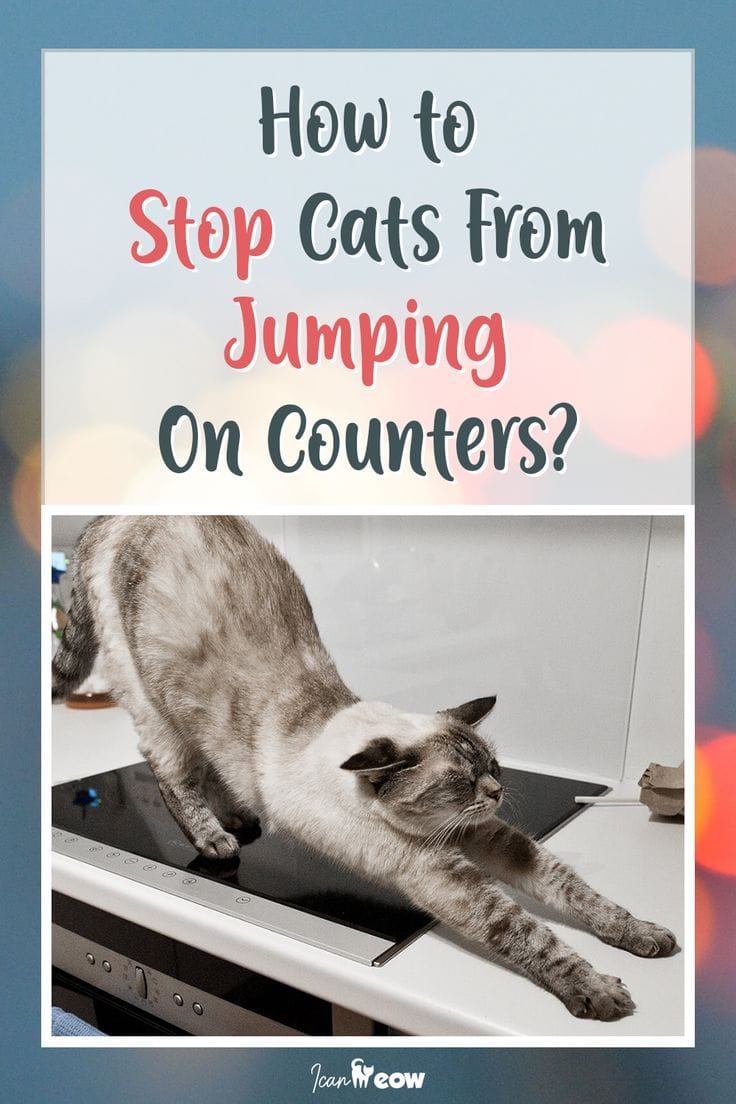
Bringing a new cat into your home is an exciting time, but it can also come with challenges, especially when it comes to establishing boundaries. One common issue many cat owners face is their feline friends deciding the kitchen counter is their new favorite perch. While it might seem like a natural instinct for cats to explore high places, teaching them to avoid the countertops is essential for both hygiene and safety. This guide will walk you through effective, positive methods to train your cat to stay off the counter, focusing on understanding their needs and redirecting their behavior.
Eliminate Temptation: The First Step to a Cat-Free Counter
The most effective way to keep your cat off the counter is to remove any reason for them to jump up there in the first place. Food is the biggest draw, so maintaining a pristine kitchen environment is paramount. Always rinse dishes immediately after use and avoid leaving food out, especially in plastic bags. Cats can easily tear through plastic packaging in search of a tasty morsel, which poses significant risks. They could ingest plastic, which is indigestible and can cause blockages, or consume food that may be toxic to them. Furthermore, there’s a danger of suffocation if their face becomes trapped in the bag. Keeping your counters clear of food debris and scented items will make them far less appealing.
Make the Counter Unappealing for Your Cat To Walk On
Beyond removing food sources, you can make the counter itself an unpleasant place for your cat to land. The goal isn’t to cause pain or distress, but rather to create an association where the counter is simply not a desirable spot. Consider placing crinkled aluminum foil on the surface; the noise and texture can be off-putting to many cats. Another effective, non-permanent solution is to use double-sided pet tape applied to a piece of cardboard. This allows you to place a sticky surface on the counter without directly adhering tape to your countertops.
Give Your Cat an Acceptable Alternative To Meet Their Needs
Understanding why your cat is drawn to the counter is key to redirecting their behavior. Cats often jump onto counters to fulfill specific needs. If your cat seeks higher ground to escape a bothersome dog or because the kitchen is a hub of activity during meal times, providing a tall cat tree or wall-mounted cat shelves in the vicinity can offer a suitable alternative. Sometimes, hunger drives them to investigate. If your cat’s meal schedule leaves them feeling hungry between feedings, adjusting their feeding times or offering a small, healthy snack might resolve the issue. Boredom can also be a factor; ensuring your cat has adequate playtime and mental stimulation throughout the day is crucial. Ways to litter train a kitten can also be an area where understanding their needs is important.
Stop Your Cat From Jumping on the Counter: Neutrality is Key
When you catch your cat in the act of jumping onto the counter, it’s important to react neutrally. The best approach is to calmly pick them up and place them on the floor. Avoid talking to them, making eye contact, or creating a fuss. For cats, any form of attention, even negative, can reinforce the behavior. Keeping your actions as neutral as possible ensures they don’t associate jumping on the counter with gaining your attention.
Redirect Them to the Appropriate Alternative
After neutrally removing your cat from the counter, wait for about 60 seconds. Then, use a favorite toy or a high-value treat to guide them toward an appropriate alternative perch, such as a cat tree or shelf. This process teaches your cat that jumping on the counter leads to being moved to the floor with no reward, while using their designated alternative spot results in positive reinforcement like treats and praise. Over time, they will learn to prefer the option that yields positive outcomes.
Look for Opportunities To Provide Positive Reinforcement
Positive reinforcement is a powerful training tool because behaviors that are rewarded are more likely to be repeated. When your cat independently chooses to use their designated alternative perch, be sure to acknowledge and reward this behavior. This could involve offering a small treat, verbal praise, or gentle petting. By consistently rewarding desired behaviors, you encourage your cat to make better choices.
What Won’t Work to Keep Your Cat Off the Counter
It’s crucial to avoid training methods that rely on punishment, pain, or fear. Devices like shock mats or plastic spikes can cause unnecessary stress and anxiety for your cat and are not effective long-term solutions. Yelling at your cat or using a water bottle to spray them can also be counterproductive, as these methods don’t address the underlying reason for their behavior and can damage your bond. Instead, focus on understanding your cat’s needs and using positive, reward-based training to shape their behavior. Utilizing positive reinforcement is always the most humane and effective approach.
