
Cats, with their independent spirits and graceful movements, are beloved companions. However, their playful nips and sometimes sharp bites can be a point of frustration for owners. Understanding why cats bite and implementing effective training strategies can transform these unwanted behaviors into a more harmonious relationship. This guide will delve into the common reasons behind cat biting and provide actionable steps to help train your cat not to bite, fostering a deeper bond between you and your feline friend.
Understanding Why Cats Bite
Before we can effectively train a cat, it’s crucial to understand the underlying reasons for their biting behavior. It’s rarely out of malice, but rather a form of communication or a reaction to their environment.
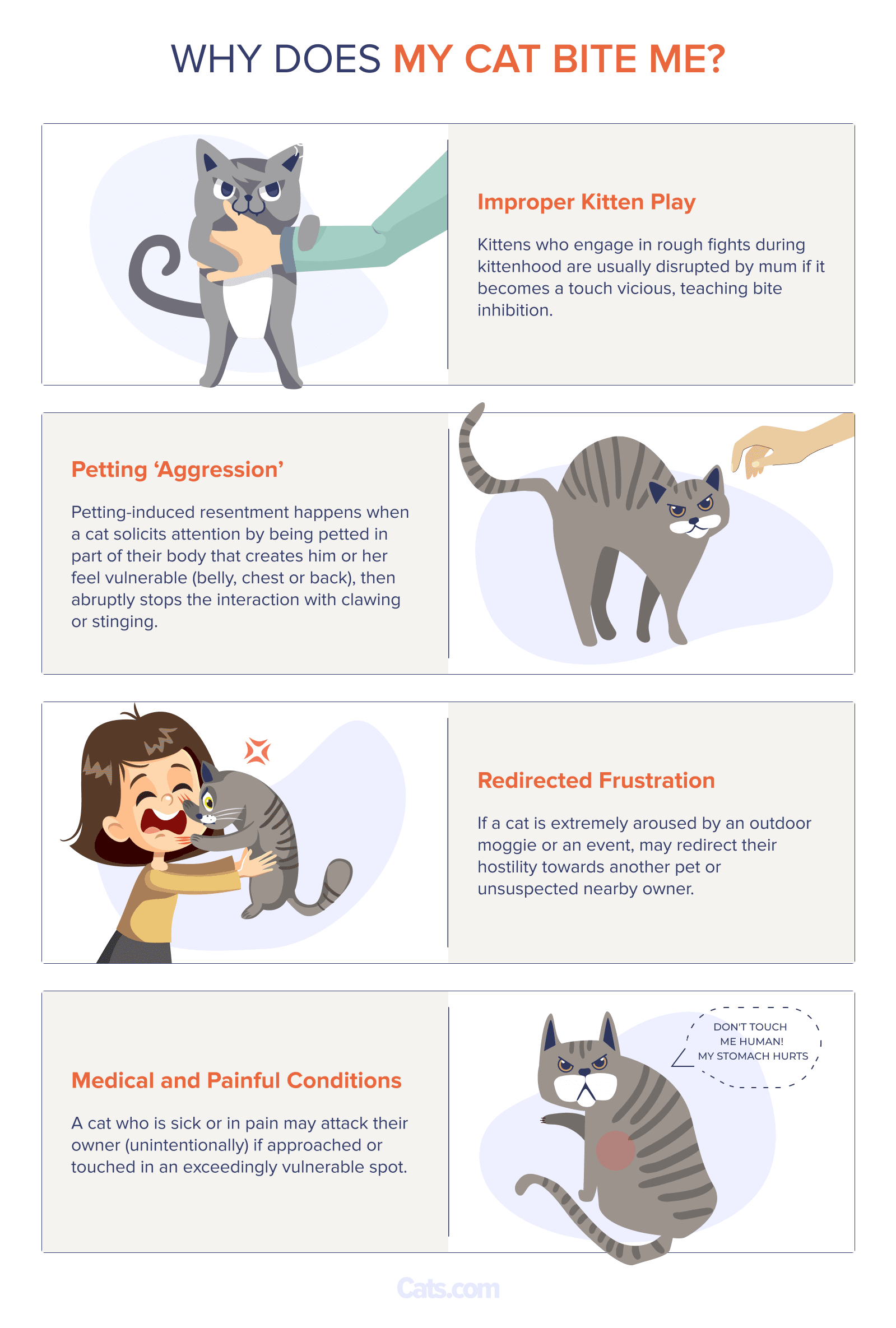
Overstimulation and Play Aggression
Many kittens and young cats bite during play. This is often a natural extension of how they learn to interact with their littermates. If a kitten bites too hard, its sibling will yelp and disengage, teaching a valuable lesson. When humans play with kittens using their hands, the cat may perceive our fingers as toys, leading to biting. This is also known as play aggression.
Fear and Defense
A cat that feels threatened, cornered, or scared may resort to biting as a defense mechanism. This can happen if a cat is startled, feels trapped, or is being handled in a way it dislikes. It’s a primal instinct to protect themselves when they perceive danger.
Medical Issues
Sometimes, biting can be a sign of an underlying medical condition. Pain, discomfort, or neurological issues can make a cat irritable and more prone to biting. If the biting behavior is sudden and unexplained, a veterinary check-up is highly recommended.
Affection Aggression
This type of aggression can be confusing. A cat might be enjoying petting, but suddenly bite. This often occurs when the petting goes on too long or is in an area the cat doesn’t prefer. It’s their way of saying, “That’s enough,” without any other recourse.
Effective Training Strategies to Stop Cat Biting
Training a cat to stop biting requires patience, consistency, and positive reinforcement. Punitive measures are generally ineffective and can even worsen the problem.
Redirect Play Biting
When your cat starts to bite during play, immediately redirect its attention to an appropriate toy. Offer a wand toy, a laser pointer (used responsibly), or a plush mouse. This teaches the cat that hands are for petting, not for biting, and that toys are for energetic play.
How to Redirect:
- Stop Play Immediately: As soon as teeth make contact with skin, let out a sharp “Ouch!” or a hiss sound, mimicking a feline response.
- Withdraw Attention: Cease all interaction and withdraw your hand or body part.
- Offer a Toy: Present an appropriate toy for your cat to bite and scratch.
- Resume Play: Once the cat is engaged with the toy, you can resume gentle play.
This consistent response helps your cat understand the boundaries of acceptable play. If you’re finding it challenging to get your kitten to stop biting, consistent redirection is key.
Avoid Hand-to-Hand Play
Never use your hands or feet as toys for your cat. This direct association can reinforce the idea that biting is acceptable during interactive play. Always use toys that create a distance between your hands and the cat’s mouth.
Respect Your Cat’s Boundaries
Learn to recognize your cat’s body language. Flattened ears, a twitching tail, dilated pupils, or a tensing body are all signs that your cat might be overstimulated or uncomfortable. Stop petting or interacting before the bite occurs. Understanding your cat’s cues is vital. For instance, if your cat shows signs of discomfort during petting, it’s time to give them space, similar to how you might need to understand how do you train your cat not to bite by observing their reactions.
Provide Sufficient Enrichment and Playtime
Boredom and pent-up energy can lead to destructive behaviors, including biting. Ensure your cat has plenty of opportunities for physical and mental stimulation.
- Interactive Toys: Use toys that engage your cat’s hunting instincts, such as feather wands or puzzle feeders.
- Scratching Posts: Provide a variety of scratching posts to satisfy their natural urge to scratch and mark territory.
- Vertical Space: Cats feel secure when they have high places to observe their surroundings. Cat trees and shelves can be very beneficial.
- Scheduled Play Sessions: Engage in at least two 15-minute play sessions daily. This helps burn off energy and strengthens your bond.
Consistent enrichment helps manage your cat’s energy levels and reduces the likelihood of biting due to pent-up frustration.
Socialization and Handling
Proper socialization from a young age is crucial. Kittens that are exposed to gentle handling and various positive experiences are less likely to develop fear-based aggression. If you are trying to get your kitten to stop biting, early socialization can make a significant difference.
When handling your cat, always approach them calmly and let them come to you. Avoid grabbing or forcing them into situations they seem to dislike. Gentle, positive handling builds trust.
Positive Reinforcement for Good Behavior
Reward your cat when they exhibit calm behavior or choose to play appropriately with toys instead of your hands. Use high-value treats, praise, or gentle petting (if they enjoy it) to reinforce these positive actions. This encourages the desired behaviors and strengthens the human-animal bond.
When to Seek Professional Help
If you’ve tried these methods consistently and your cat’s biting behavior persists or worsens, it may be time to consult a professional.
Veterinary Consultation
As mentioned earlier, rule out any underlying medical causes for the biting. A veterinarian can perform a thorough examination and recommend treatment if a health issue is suspected.
Certified Cat Behaviorist
A certified cat behaviorist can provide personalized strategies tailored to your cat’s specific situation. They can help identify triggers you might have missed and offer expert guidance on modifying behavior. For complex issues, seeking advice on how to train cat not to bite from a professional is invaluable.
Conclusion: Building a Trusting Relationship
Training your cat not to bite is an ongoing process that involves understanding their needs, respecting their boundaries, and using positive, consistent methods. By providing adequate enrichment, redirecting unwanted behaviors, and fostering a trusting relationship, you can help your feline companion become a well-behaved and cherished member of your family. Remember, patience and love are your greatest tools in helping your cat learn and thrive. If you’re struggling with a persistent biting issue, remember that resources like how to train cat to stop biting are available to guide you.
