
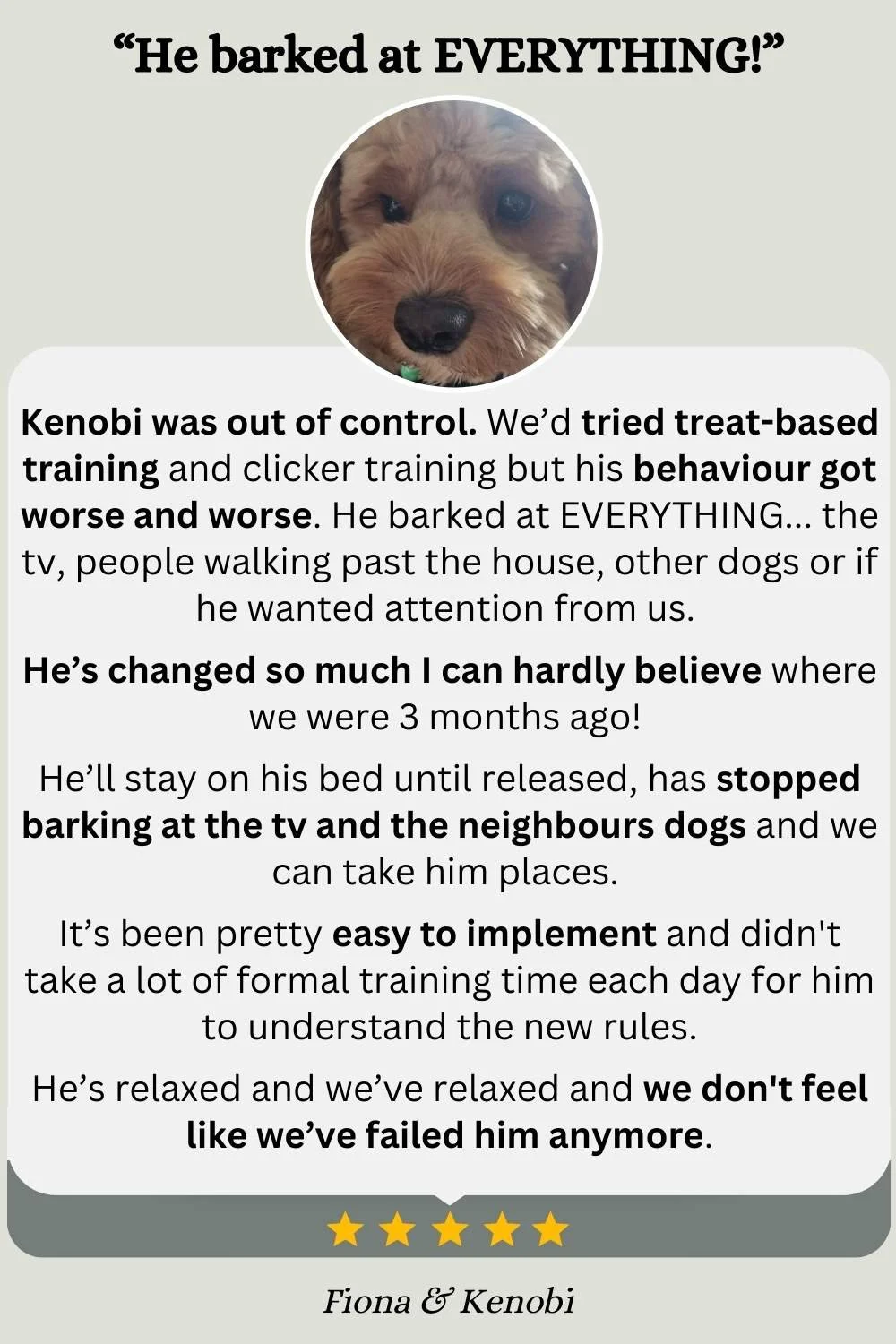
Teaching your dog to stop barking excessively is a common challenge for many pet owners, but it’s an achievable goal with patience, consistency, and the right approach. Excessive barking can stem from various reasons, including boredom, anxiety, territoriality, or a need for attention. Understanding the root cause is the first step in effectively addressing the behavior. This guide will walk you through the process of training your dog to bark less, fostering a more peaceful environment for both you and your canine companion.
Understanding Why Dogs Bark
Before diving into training methods, it’s crucial to understand why dogs bark in the first place. Barking is a natural form of communication for dogs. They might bark to alert you to something, to express excitement, to seek attention, to relieve anxiety, or as a response to stimuli like other animals or people. Identifying the trigger for your dog’s barking is key to implementing the most effective training strategies. For instance, a dog barking at the doorbell has a different motivation than one barking out of loneliness.
Common Barking Triggers:
- Territorial/Protective Barking: This often occurs when a dog perceives a threat to their territory, such as someone approaching the house or a strange object in the yard.
- Alarm/Fear Barking: Dogs may bark at unfamiliar sights or sounds, especially if they are fearful or startled.
- Boredom/Attention-Seeking Barking: If a dog isn’t getting enough physical or mental stimulation, they might bark to get your attention or simply to alleviate their boredom.
- Greeting/Excitement Barking: Some dogs bark when they are overly excited, such as when greeting their owners or other dogs.
- Compulsive Barking: This is a learned behavior that can occur without an obvious trigger, often seen in dogs that have a history of being rewarded for barking.
- Separation Anxiety Barking: Dogs suffering from separation anxiety may bark incessantly when left alone.
Essential Training Principles
Consistent and positive reinforcement are the cornerstones of any successful dog training program, and this applies directly to managing barking. Harsh corrections can sometimes exacerbate the problem or lead to fear-based behaviors. Instead, focus on rewarding the absence of barking and teaching your dog alternative behaviors.
Key Principles:
- Consistency: Everyone in the household must be on the same page with training commands and strategies.
- Patience: Training takes time. Don’t get discouraged if you don’t see results immediately.
- Positive Reinforcement: Reward desired behaviors (quietness) with treats, praise, or play.
- Identify Triggers: Knowing what sets your dog off is half the battle.
- Management: Prevent the barking from happening in the first place when possible.
Training Techniques for Excessive Barking
Several effective techniques can help you train your dog to bark less. The best approach often involves a combination of these methods, tailored to your dog’s specific needs and triggers.
1. Teaching the “Quiet” Command
This is one of the most direct ways to address barking. It teaches your dog to stop barking on cue.
How to Train:
- Provoke a Bark: Have someone knock on the door or make a noise that will cause your dog to bark.
- Wait for a Pause: As soon as your dog stops barking, even for a second, say “Quiet” in a calm, firm voice.
- Reward: Immediately give your dog a high-value treat and praise.
- Repeat: Practice this exercise frequently. Gradually increase the duration your dog needs to be quiet before receiving the reward.
- Increase Difficulty: Once your dog understands the command in a controlled setting, practice with more distracting noises.
This method helps your dog associate the word “Quiet” with stopping their barking and receiving a reward. It’s similar to how one might approach training your dog not to bark at specific times.
2. Managing Barking at the Doorbell or Knocking
Barking at the doorbell is a common issue. The goal is to desensitize your dog to the sound and teach them a different response.
How to Train:
- Desensitization: Start by having someone ring the doorbell very softly or knock gently. As soon as the sound occurs, if your dog doesn’t bark, reward them. If they do bark, ignore it and wait for a pause to reward quiet.
- Pair with a Positive: Have a helper ring the doorbell. The moment the sound occurs, toss a few treats on the floor away from the door. The goal is for your dog to associate the doorbell with receiving treats and looking for them rather than barking.
- Gradual Increase: Slowly increase the volume of the doorbell or the intensity of the knock as your dog becomes more comfortable.
- Teach an Alternative Behavior: Train your dog to go to their mat or bed when the doorbell rings. When the bell rings, cue them to go to their spot and reward them heavily for staying there quietly. This gives them a specific job to do instead of barking.
For more detailed guidance on this specific issue, you might explore resources on train dog not to bark at doorbell scenarios.
3. Addressing Barking When Left Alone (Separation Anxiety)
Barking when left alone is often a symptom of separation anxiety. This requires a different approach that focuses on building your dog’s confidence and comfort when they are by themselves.
How to Address:
- Create a Safe Space: Ensure your dog has a comfortable den-like space (crate, bed) where they feel secure.
- Gradual Departures: Start by leaving your dog for very short periods (seconds), then gradually increase the duration. Return only when they are calm.
- Provide Distractions: Leave puzzle toys or long-lasting chews (like a Kong stuffed with food) to keep them occupied.
- Exercise: Ensure your dog gets enough physical and mental exercise before you leave. A tired dog is less likely to be anxious.
- Consult a Professional: For severe separation anxiety, consult a veterinarian or a certified animal behaviorist. They can offer tailored advice and potentially medication if needed.
4. Managing Boredom or Attention-Seeking Barking
If your dog barks because they are bored or want your attention, the solution lies in meeting their needs more effectively.
How to Manage:
- Increase Exercise: Ensure your dog gets daily walks, runs, or playtime that matches their breed and energy level.
- Mental Stimulation: Provide puzzle toys, engage in training sessions, play scent games, or teach new tricks. This tires their brain and reduces boredom.
- Ignore the Barking: When your dog barks for attention, do not look at them, speak to them, or touch them. Wait for a moment of silence before acknowledging them. This teaches them that barking doesn’t get them what they want, but quiet does.
- Teach an Alternative Request: Train your dog to nudge your hand with their nose or bring you a toy when they want attention. Reward these behaviors.
5. Counter-Conditioning and Desensitization
These techniques are particularly useful for barking triggered by external stimuli like other dogs, people passing by, or noises outside. The goal is to change your dog’s emotional response to the trigger from negative/aroused to positive/calm.
How to Implement:
- Identify the Trigger and Distance: Determine what causes your dog to bark and the distance at which they start reacting.
- Below Threshold Work: Position yourself with your dog at a distance where they can see the trigger but do not bark.
- Pair Trigger with Reward: As soon as your dog notices the trigger (e.g., sees another dog), immediately give them a high-value treat. When the trigger disappears, the treats stop.
- Gradual Approach: Slowly decrease the distance to the trigger over many sessions, always ensuring your dog remains calm and under their reaction threshold. If your dog barks, you’ve moved too close too quickly; increase the distance.
This methodical approach is crucial for lasting change. It’s akin to understanding how to train dog not to bark at other dogs by managing their excitement or fear.
When to Seek Professional Help
While many barking issues can be resolved with consistent training at home, some situations may require professional intervention. If your dog’s barking is severe, accompanied by aggression, or indicative of deep-seated anxiety, consider consulting:
- A Certified Professional Dog Trainer (CPDT): They can assess your dog’s behavior and create a personalized training plan.
- A Veterinary Behaviorist: For complex behavioral issues, especially those related to anxiety or compulsive disorders, a veterinary behaviorist is the best resource.
A professional can offer insights and techniques that might be beyond the scope of this guide, and can help navigate challenging cases, such as when you need to understand how to train my dog not to bark in very specific or persistent situations.
Conclusion: Cultivating Calmness and Connection
Training your dog not to bark excessively is a journey that strengthens your bond. By understanding the reasons behind their vocalizations and applying consistent, positive training methods, you can teach your dog to communicate more appropriately. Remember that every dog is an individual, and patience is key. Celebrate small victories, stay consistent, and focus on building a relationship based on trust and clear communication. With dedication, you can achieve a quieter home and a happier, well-adjusted dog.
