
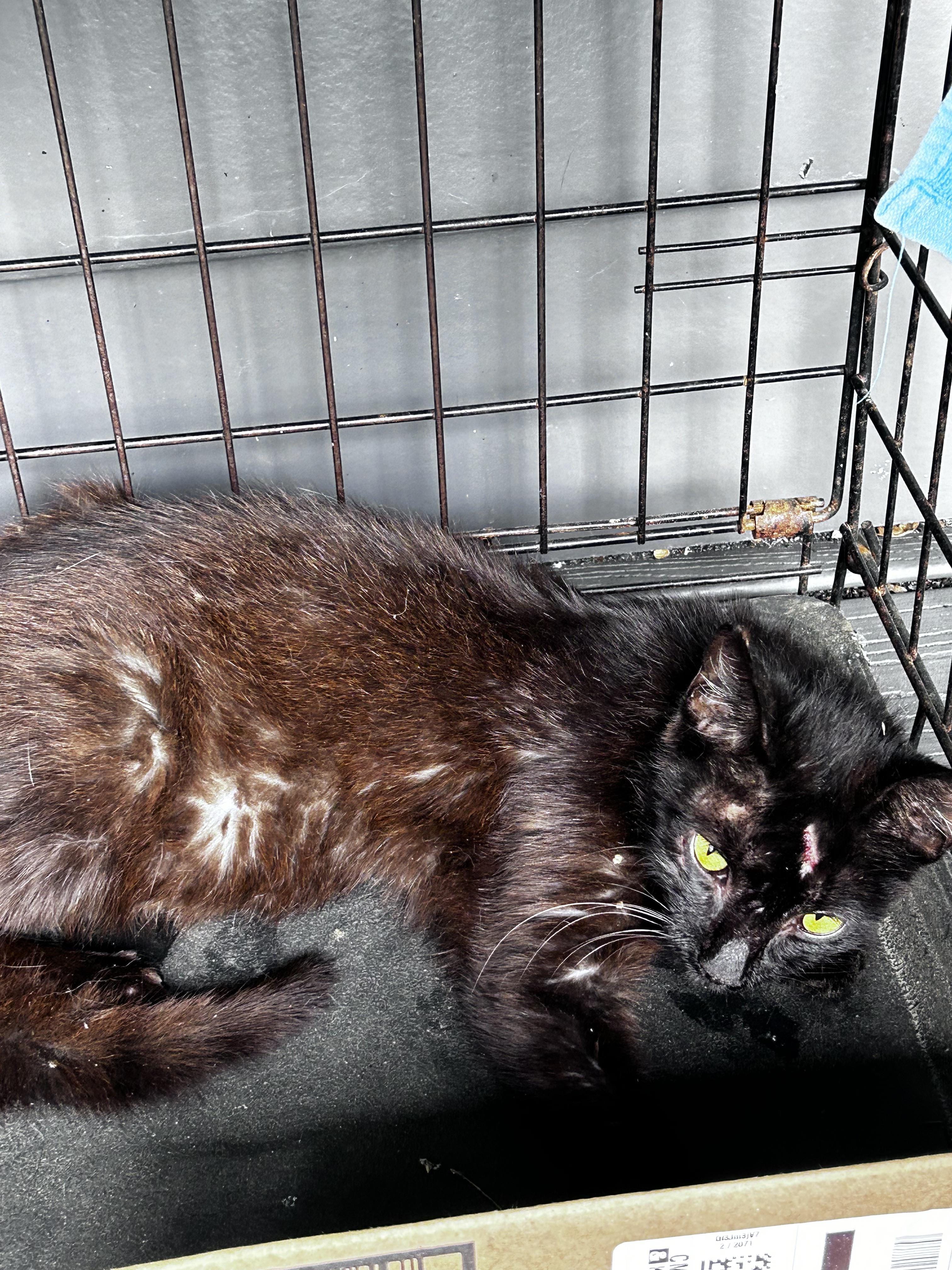
Bringing a new cat into your home is an exciting experience, especially when that cat is a semi-feral kitty who needs a little extra care and patience. Animal rescue experts typically classify stray cats into three categories: socialized, semi-feral, and feral. Socialized cats are fully domesticated and comfortable around humans. Feral cats, on the other hand, have had little to no human contact and are essentially wild animals. Semi-feral cats fall somewhere in between. They often avoid being touched but may vocalize when around humans or even make eye contact. Although it is a slow and difficult process, taming a semi-feral cat is absolutely possible. These steps will help you turn a frightened neighborhood kitty into a trusting furry friend!
Let the Cat Make the First Move
This might sound counterintuitive, but according to Becky Robinson, president and founder of Alley Cat Allies, ignoring a semi-feral cat initially can pique its curiosity and encourage it to initiate contact. Cats are naturally drawn to pleasure and attention. If they are accustomed to human interaction, they will seek it out. By waiting for the cat to reach out to you and then providing a positive interaction, you demonstrate that you can be trusted. This initial approach is crucial for building a foundation of trust.
Encourage Return Visits with Positive Reinforcement
Once the cat begins to show interest, the next step is to provide relaxed, non-threatening enrichment. This ensures the cat associates your presence with positive experiences and encourages it to keep coming back. Feline rescuers suggest that meal times are an ideal opportunity to initiate interaction. Offering treats and toys can further encourage the cat to connect with you on a one-on-one basis, strengthening the bond.
Gradually Desensitize to Human Presence
It’s important to remember that many aspects of daily life that seem normal to us can be quite frightening to a semi-feral cat. Sudden noises from human voices, music, or the opening and closing of doors may cause a nervous kitty to retreat. Utilize feeding times as a chance to speak softly and perform slow, deliberate actions. This gradual desensitization helps the cat understand that you are not a threat, making it feel safer in its environment.
Respect Their Need for Space
After you’ve welcomed your new semi-feral kitty into your home, the process of taming continues. Understandably, the cat will likely be nervous and require a safe place to hide when feeling overwhelmed. Providing a retreat helps prevent the cat from feeling cornered, which can trigger a natural fight or flight response. If they are not given an option to flee, they may feel compelled to defend themselves out of fear. At the same time, providing too much space can also be overwhelming, especially for curious kittens. Robinson advises confining the animal to a small, safe room equipped with food, water, and a litterbox. Ensure the room is “kitty-proofed” by removing anything fragile or potentially harmful, such as electrical wires that could be chewed.
Consider Calming Aids for the Transition
Similar to how a warm bath and a cup of herbal tea can ease a stressful day for humans, providing soothing remedies can also help your new cat adjust. Options like catnip, pheromone sprays, or calming supplements can make the transition smoother. Alley Cat Allies recommends using non-pharmaceutical behavior modifiers such as Feliway, Rescue Remedy, or Composure Soft Chews. These products often work by utilizing essential oils, extracts, or by mimicking natural feline pheromones to help calm and comfort cats.
Patience is Key to Success
While some semi-feral cats may be tamed within a few weeks, it typically takes several months, or even up to an entire year, for them to fully come around and trust their human companions. According to Robinson, almost all cats can be tamed with the right approach. The key is to remain patient, stick to a consistent daily schedule, respect the cat’s natural needs, interact with them every day, and offer plenty of treats as positive reinforcement. With dedication and understanding, you can successfully transform a timid stray into a beloved member of your family.
