
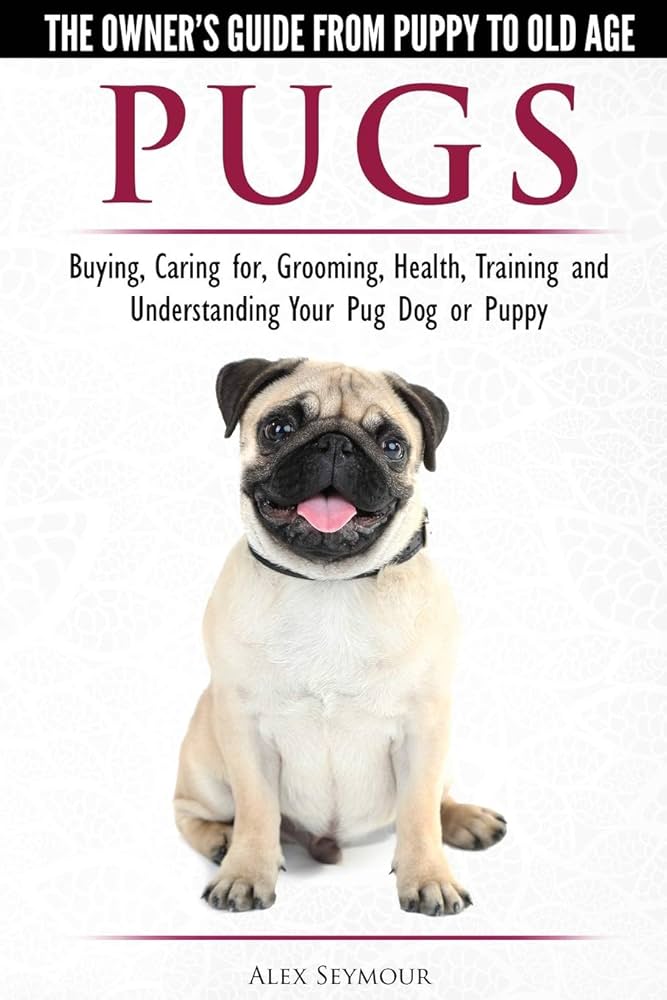
Welcoming a Pug into your home is an exciting journey filled with adorable snorts, charming wrinkles, and a whole lot of love. These compact dogs, known for their playful and affectionate nature, can also come with their own set of training challenges. Whether you’re a first-time Pug owner or looking to refine your training techniques, this guide will walk you through everything you need to know to help your Pug become a well-behaved companion. Understanding the unique characteristics of Pugs is the first step towards effective training, setting the foundation for a harmonious life together.
Understanding the Pug Temperament
Pugs are renowned for their clownish personalities and their deep devotion to their families. They thrive on companionship and often shadow their owners, seeking constant interaction. This inherent desire to be close can be a powerful motivator in training, but it also means Pugs can be prone to separation anxiety if not properly socialized and accustomed to alone time.
Pugs are generally eager to please, but they can also possess a stubborn streak. This duality requires a training approach that is consistent, patient, and highly rewarding. Positive reinforcement methods, such as treats, praise, and play, work exceptionally well with Pugs. Harsh corrections are counterproductive and can damage the bond you share.
Essential Training Areas for Your Pug
Crate Training Your Pug
Introducing your Pug to a crate from a young age can be invaluable. A crate serves as a safe den for your dog and is a critical tool for house training.
- Introduction: Make the crate a positive place by feeding your Pug meals inside or tossing treats in.
- Short Periods: Start with short durations, gradually increasing the time your Pug spends inside.
- Comfort is Key: Ensure the crate is appropriately sized, comfortable, and placed in a social area of your home.
This process helps prevent destructive behaviors when you can’t supervise your Pug directly and aids in [how to potty train a pug dog] by establishing a routine.
House Training a Pug
Patience is paramount when house training a Pug. Their small bladders and a potential for stubbornness mean consistency is vital.
- Frequent Potty Breaks: Take your Pug out frequently, especially after waking up, after meals, and before bedtime.
- Designated Spot: Choose a specific spot in your yard for potty breaks and always take them there.
- Positive Reinforcement: Lavish praise and offer a high-value treat immediately after successful elimination outdoors.
- Accident Management: If an accident occurs indoors, clean it up thoroughly without scolding. Pugs don’t connect punishment with past events.
Consider [litter training dogs tips] as an alternative or supplementary method, especially for apartment living or during inclement weather.
Leash Training and Walking
Pugs are not built for strenuous activity, but they do need regular, moderate exercise. Leash training should be introduced early.
- Collar/Harness Introduction: Let your Pug get used to wearing a lightweight harness or collar for short periods.
- Leash Attachment: Once comfortable, attach a lightweight leash and let them drag it around under supervision.
- Walking Together: Begin short walks, rewarding your Pug for walking calmly beside you. Avoid pulling or yanking, as Pugs can be prone to respiratory issues.
A well-fitting harness is often preferred for Pugs to avoid pressure on their trachea. If you’re exploring different training aids, understanding [are choke collars good for training dogs] is important, but for Pugs, gentler methods are usually best.
Basic Obedience Commands
Teaching basic commands builds a strong foundation for communication and safety.
- “Sit”: Hold a treat above your Pug’s head and move it slightly back, encouraging them to lower their rear. Reward when they sit.
- “Stay”: Once your Pug masters “sit,” ask them to stay, take one step back, and return to reward them. Gradually increase distance and duration.
- “Come”: This is a crucial command. Start in a quiet area, say “Come” enthusiastically, and reward generously when they approach you. Never call your Pug to punish them.
- “Down”: From a sit position, lure your Pug down by moving a treat from their nose towards the floor between their paws.
Consistent practice, short training sessions, and positive reinforcement are key.
Addressing Common Pug Training Issues
Pug Stubbornness
As mentioned, Pugs can be quite stubborn. When faced with resistance:
- Re-evaluate Motivation: Are the rewards appealing enough? Try different types of treats or toys.
- Keep Sessions Short and Fun: End on a positive note before your Pug gets bored or frustrated.
- Break Down Tasks: If a command is proving difficult, break it down into smaller, more manageable steps.
Separation Anxiety
Pugs form strong bonds and can struggle when left alone. Signs include excessive barking, destructive chewing, and accidents in the house.
- Gradual Departures: Start by leaving for very short periods and gradually increase the duration.
- Provide Distractions: Leave puzzle toys or long-lasting chews when you leave.
- Create a Safe Space: Ensure their crate or designated area is comfortable and associated with positive experiences.
- Don’t Make a Fuss: Avoid overly dramatic greetings or departures.
If separation anxiety is severe, consult a veterinarian or a professional dog trainer.
Pug Breathing Issues and Training
Due to their brachycephalic (short-nosed) nature, Pugs are prone to breathing difficulties. Training must always consider their physical limitations.
- Avoid Overexertion: Keep training sessions short and avoid intense physical activity, especially in hot or humid weather.
- Monitor for Signs of Distress: Watch for excessive panting, gagging, or blueish gums. Stop immediately if you notice these.
- Use Gentle Equipment: As mentioned, a harness is often preferable to a collar.
When considering training equipment, remember that tools like a [dog metal training collar] might be too harsh for a breed with respiratory sensitivities.
Advanced Training and Socialization
Socialization
Exposing your Pug puppy to various sights, sounds, people, and other well-behaved dogs from a young age is crucial. This helps them grow into a confident and well-adjusted adult dog. Puppy socialization classes are an excellent way to achieve this in a controlled environment.
Advanced Commands and Tricks
Once your Pug has mastered the basics, you can explore more advanced commands or fun tricks. Pugs are intelligent and often enjoy learning. This can include “shake,” “roll over,” or even more complex behaviors, which can be a great way to provide mental stimulation. Engaging in activities like setting up a simple [dog training obstacle course] can also be fun and beneficial.
The Role of Diet and Nutrition in Training
A healthy diet directly impacts your Pug’s energy levels and overall well-being, which in turn affects their trainability.
- High-Quality Food: Choose a reputable brand of dog food formulated for small breeds.
- Portion Control: Pugs are prone to obesity. Feed the recommended amount and avoid overfeeding, especially with treats.
- Training Treats: Use small, high-value treats for training. These should be low-calorie to avoid contributing to weight gain.
Consult your veterinarian for specific dietary recommendations for your Pug.
Conclusion: Building a Lifelong Bond
Training a Pug is a rewarding experience that deepens the bond between you and your canine companion. By understanding their unique temperament, employing positive reinforcement, and being patient and consistent, you can guide your Pug to become a well-mannered and joyful member of your family. Remember that every Pug is an individual, so adapt these techniques to suit your dog’s personality and needs. The journey of training your Pug is not just about obedience; it’s about building trust, communication, and a lifelong friendship. Embrace the process, celebrate the small victories, and enjoy the unique “story” your Pug brings into your life.
