
Bringing a new dog into your home is an incredibly exciting experience, but it comes with a big responsibility: house training. Knowing how to potty train a dog is fundamental to a happy, clean home and a healthy relationship with your furry friend. This process, also known as housebreaking, is all about teaching your canine companion the appropriate time and place to eliminate. While it requires patience, consistency, and a lot of positive reinforcement, the reward is a well-behaved dog and a stress-free living environment. This guide will walk you through every step, transforming a potentially daunting task into a successful bonding experience. For those with grown dogs, the core principles are similar, though you might face unique challenges best covered when learning how to toilet train an older dog.
Understanding the Basics of Potty Training
Before you start, it’s crucial to understand a few key principles. First, dogs don’t have accidents out of spite. When a dog eliminates inside, it’s because they haven’t learned the rules of the house, they couldn’t hold it any longer, or there’s an underlying medical issue. Punishment is counterproductive; it only creates fear and anxiety, which can make the problem worse. The foundation of successful potty training is consistency, patience, and positive reinforcement.
Your goal is to create a predictable routine that your dog can learn to rely on. This involves frequent trips outside, especially after waking up, after playing, and after eating.
As veterinary behaviorist Dr. Sarah Miller often says, “Successful potty training is less about teaching the dog what not to do and more about consistently showing them what to do, then rewarding them enthusiastically for getting it right.”
Key Steps to Successfully Potty Train a Dog
Mastering the art of potty training is about following a series of consistent steps. By breaking it down, you can create a clear and effective plan for your puppy or adult dog.
1. Establish a Consistent Routine
Dogs are creatures of habit. A predictable schedule helps them understand when they will have opportunities to go outside.
- First Thing in the Morning: Take your dog out as soon as they wake up. Their bladder will be full after a night’s sleep.
- After Every Meal: A full stomach puts pressure on the bladder and bowels. Take your dog out within 15-20 minutes after they finish eating.
- After Naps and Playtime: Waking up and exciting activities stimulate the need to go.
- Last Thing at Night: One final trip before bedtime helps prevent overnight accidents.
- Every 1-2 Hours (for puppies): Young puppies have small bladders and can’t hold it for long. A good rule of thumb is they can hold it for one hour for every month of age, but frequent trips are always better.
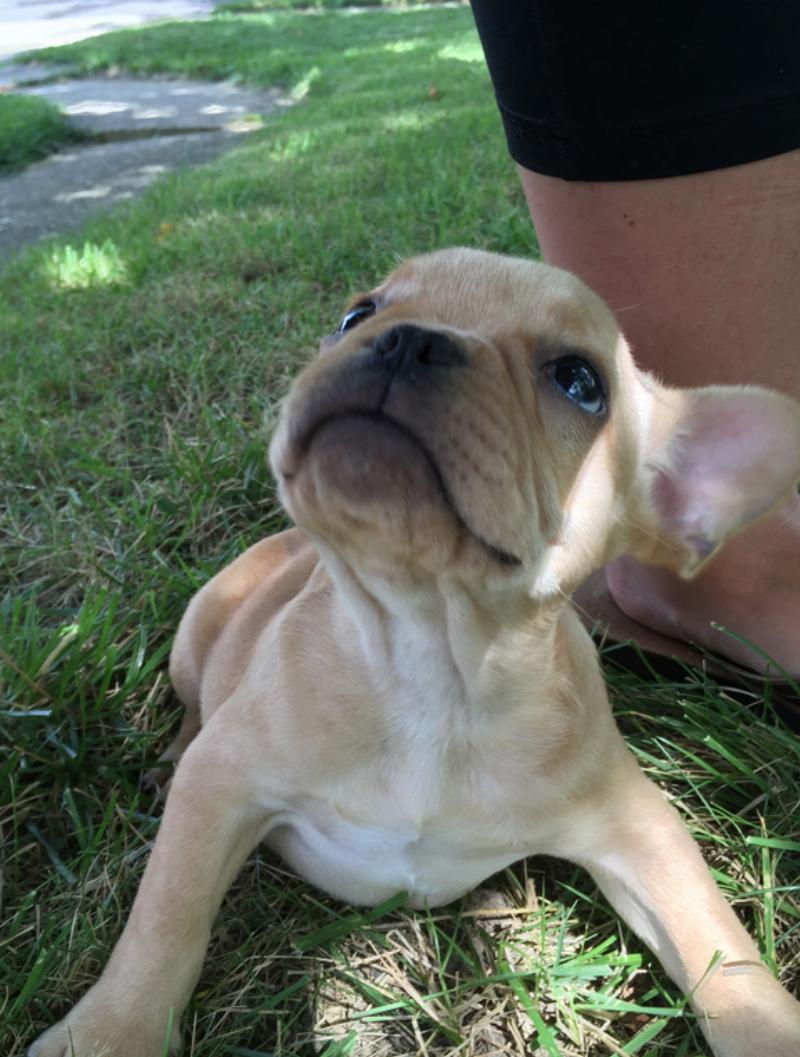 An owner taking their happy puppy outside to potty as part of a guide on how to potty train a dog
2. Choose a Designated Potty Spot
Designate one specific area in your yard or on your walk where you want your dog to do their business. Always take them to this same spot on a leash. The lingering scent will encourage them to go there again. When you get to the spot, use a specific cue word or phrase, like “Go potty” or “Do your business,” in a calm, consistent tone. Stand still and be patient; don’t play or distract them. This helps them understand that this specific location and cue word are for elimination only.
3. Learn to Recognize Your Dog’s Signals
Your dog will almost always tell you they need to go out, but their signals can be subtle at first. Pay close attention to their behavior. Common signs include:
- Whining or barking at the door
- Pacing or circling
- Sniffing the ground intently
- Seeming restless or anxious
- Suddenly stopping play to walk away
When you see any of these signals, drop everything and take your dog outside to their spot immediately. Learning their cues is key to preventing accidents before they happen. For a more direct signal, many owners have found success using bells for potty training dogs, teaching their pup to ring them when they need to go out.
4. Use Enthusiastic Positive Reinforcement
This is the most important step. When your dog successfully eliminates in their designated spot, reward them immediately and enthusiastically.
- Praise: Use a happy, excited tone of voice. “Yes! Good potty! Good dog!”
- Treats: Offer a small, high-value treat the second they finish. The reward must be immediate for them to make the connection.
- Affection: Give them plenty of pets and scratches.
This positive association makes them want to potty outside. It teaches them that good things happen when they do their business in the right place.
5. What to Do When Accidents Happen
Accidents are a normal part of the process. How you handle them makes a huge difference.
- Don’t Punish: Never scold, yell at, or push your dog’s nose in their mess. This will only teach them to fear you and may lead them to hide when they need to eliminate.
- Interrupt if You Catch Them: If you see them starting to have an accident, make a loud, sharp noise (like a clap) to startle and interrupt them. Immediately scoop them up and take them outside to their spot. If they finish outside, praise them.
- Clean Thoroughly: If you find an accident after the fact, clean it up without any fuss. It’s crucial to use an enzymatic cleaner specifically designed for pet stains. Regular cleaners won’t eliminate the odor entirely, and any lingering scent will attract your dog back to the same spot. While some owners use puppy pads, like glad dog training pads, it’s important to use them as a temporary tool to avoid confusing the dog about where it’s okay to potty.
Crate Training: A Powerful Potty Training Tool
A crate can be one of your most valuable assets when you want to how to potty train a dog. Dogs have a natural instinct not to soil their den. When used correctly, a crate becomes a safe, comfortable space for your dog and helps them learn bladder control. The key is choosing the right size—just big enough for them to stand up, turn around, and lie down comfortably. A well-chosen potty training cage for dogs can significantly speed up the housebreaking process.
- Introduce the Crate Positively: Make it a wonderful place with comfy bedding, special toys, and treats. Never use it for punishment.
- Use it for Short Periods: When you can’t supervise your dog, the crate prevents them from having accidents around the house.
- Take Them Out Immediately: As soon as you let them out of the crate, take them directly to their potty spot.
Of course, a crate isn’t the only option. Many owners successfully learn how to potty train a dog without a crate by using vigilant supervision and management techniques.
Frequently Asked Questions (FAQ)
1. How long does it take to potty train a dog?
This varies widely depending on the dog’s age, breed, and history, as well as your consistency. It can take anywhere from a few weeks to several months. Be patient and stick with the routine.
2. Can you potty train an older dog?
Absolutely. The principles are the same: establish a routine, use positive reinforcement, and be patient. It may take longer to unlearn old habits, but it’s entirely possible.
3. Why is my potty-trained dog suddenly having accidents?
This is called regression and can happen for several reasons. It could be due to a change in routine, stress, or a medical issue like a urinary tract infection. A vet check-up is always a good first step to rule out health problems.
4. What should I do if my dog has accidents in their crate?
This usually means the crate is too large, or they are being left in it for too long. Ensure the crate is the proper size and adjust your schedule to give them more frequent potty breaks.
5. Should I use potty pads?
Potty pads can be a useful tool, especially for apartment dwellers or small breeds. However, they can sometimes confuse dogs, teaching them that it’s okay to go inside. If you use them, be consistent about transitioning them to pottying outside.
Your Journey to a Potty-Trained Dog
Learning how to potty train a dog is a journey of communication and trust-building between you and your new companion. It requires dedication, but the results are well worth the effort. Remember to stay positive, celebrate the small victories, and remain consistent in your routine. Before you know it, you’ll have a fully house-trained dog and a stronger bond built on clear communication and mutual respect.
