
Transitioning an outdoor cat to an indoor litter box can seem like a challenge, but with patience and the right approach, it’s definitely achievable. Many cats, especially those accustomed to the outdoors, may initially resist the idea of a confined litter box. However, understanding their instincts and providing a comfortable, appealing setup can make all the difference. This guide will walk you through the process, offering practical tips and insights to help your feline friend adapt.
Understanding Your Cat’s Instincts
Cats are naturally clean animals with strong instincts for burying their waste. In the wild, they use soil or sand to cover their tracks, both for hygiene and to avoid attracting predators. When you introduce a litter box, you’re essentially replicating this natural environment indoors. The key is to make the litter box appealing and accessible, respecting their innate behaviors.
Preparing the Litter Box Setup
Choosing the Right Litter Box
The size and type of litter box are crucial. For a cat used to the outdoors, a larger, open litter box is often preferred over a covered one. This provides more space to maneuver and mimics the open area they’re accustomed to. Ensure the sides aren’t too high, especially for kittens or senior cats, making it easy for them to step in and out.
Selecting the Ideal Litter
The texture and scent of the litter play a significant role. Many cats prefer unscented, clumping clay litter, as it closely resembles the sand or soil they naturally use. Avoid litters with strong perfumes or chemicals, which can be off-putting. If your cat is particularly sensitive, you might start with a litter that’s a mix of their current preference (if known) and a clumping, unscented option.
The Transition Process
Gradual Introduction
Don’t force your cat into the litter box. Instead, place them gently inside it, especially after they wake up or have eaten, as these are common times for elimination. Allow them to explore it on their own. You can also take some of their existing waste from the outdoors and place it in the litter box to transfer their scent, signaling that this is their designated area.
Strategic Placement
Location is paramount. Choose a quiet, low-traffic area where your cat feels safe and undisturbed. Avoid placing the litter box near their food and water bowls, as cats instinctively prefer to keep their eating and elimination areas separate. Multiple litter boxes can also be beneficial, especially in larger homes, providing more options and reducing the likelihood of accidents. If you’re struggling with a cat that prefers to eliminate in specific outdoor spots, you might place a litter box near those areas initially.
Positive Reinforcement
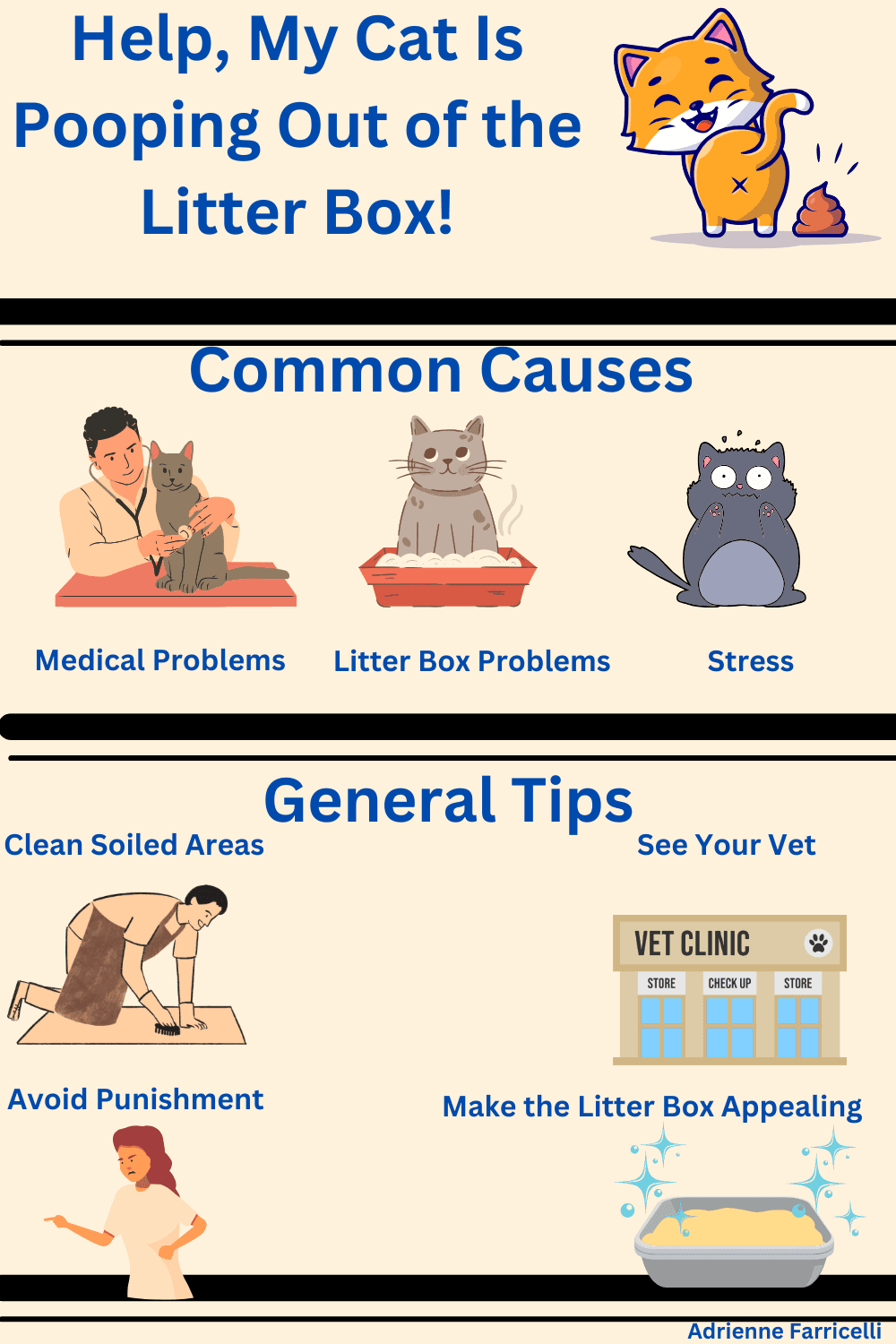
Whenever you see your cat successfully using the litter box, offer praise and a small treat. Positive reinforcement is far more effective than punishment. Never scold or punish your cat for accidents outside the box. This can create fear and anxiety, making the training process more difficult and potentially damaging your bond. Instead, clean up accidents thoroughly with an enzymatic cleaner to eliminate any lingering odors that might attract them back to the same spot.
Troubleshooting Common Issues
Accidents Outside the Box
If your cat has an accident, it’s important to understand why. Sometimes, it’s a sign that the litter box isn’t appealing enough (e.g., dirty, wrong litter type, wrong location). Other times, it could indicate a medical issue, such as a urinary tract infection or feline lower urinary tract disease (FLUTD). If accidents persist, a visit to the veterinarian is highly recommended to rule out any underlying health problems.
Reluctance to Use the Box
Some cats may be hesitant due to previous negative experiences or a strong preference for the outdoors. In such cases, consistency and patience are key. You might try a litter attractant product or experiment with different types of litter and boxes. Making the indoor environment more stimulating and safe can also encourage them to spend more time inside and be more receptive to using the litter box. For a deeper dive into feline behavior and training, consider resources on how to train dog to leave cat alone, as understanding inter-species dynamics can sometimes shed light on a cat’s overall comfort and adjustment.
Making the Indoor Environment Appealing
Encourage your cat to spend more time indoors by providing a stimulating environment. This includes scratching posts, climbing trees, interactive toys, and comfortable resting spots. Regular playtime can also help them bond with you and feel more secure in their indoor home. A happier, more engaged cat is more likely to embrace the litter box routine. If you’re curious about training outdoor cats, resources on how to train cat to use kitty litter can offer additional insights, even if your primary goal is to train an outdoor cat to use a litter box.
Frequently Asked Questions
Q1: How long does it take to train an outdoor cat to use a litter box?
It varies greatly depending on the cat’s age, personality, and previous experiences. Some cats adapt within days, while others may take several weeks or even months. Patience is essential.
Q2: What if my cat still prefers to go outside?
Ensure the indoor litter box is clean, accessible, and appealing. Try different litter types and box styles. Make the indoors more attractive with toys and comfortable spots. If the preference persists, consult your vet to rule out health issues.
Q3: Should I use a covered or uncovered litter box?
For cats transitioning from outdoors, an open, uncovered box is often best initially, as it feels more natural and less confining. Once they are accustomed to the litter box, you can try introducing a covered one if you prefer.
Q4: How often should I clean the litter box?
Scoop the litter at least once daily, and completely change and clean the box with mild soap and water weekly. Cats are very sensitive to odor, so a clean box is crucial for consistent use.
Q5: Can I use litter attractants?
Yes, litter attractants can be helpful, especially in the initial stages. These products are designed to encourage cats to use the litter box. Follow the product instructions carefully.
Training an outdoor cat to use an indoor litter box is a process that requires understanding, patience, and consistency. By respecting your cat’s natural instincts and creating a positive, appealing environment, you can successfully guide them towards becoming a confident indoor litter box user. Remember, every cat is an individual, and celebrating their progress, no matter how small, will make the journey smoother for both of you.
