
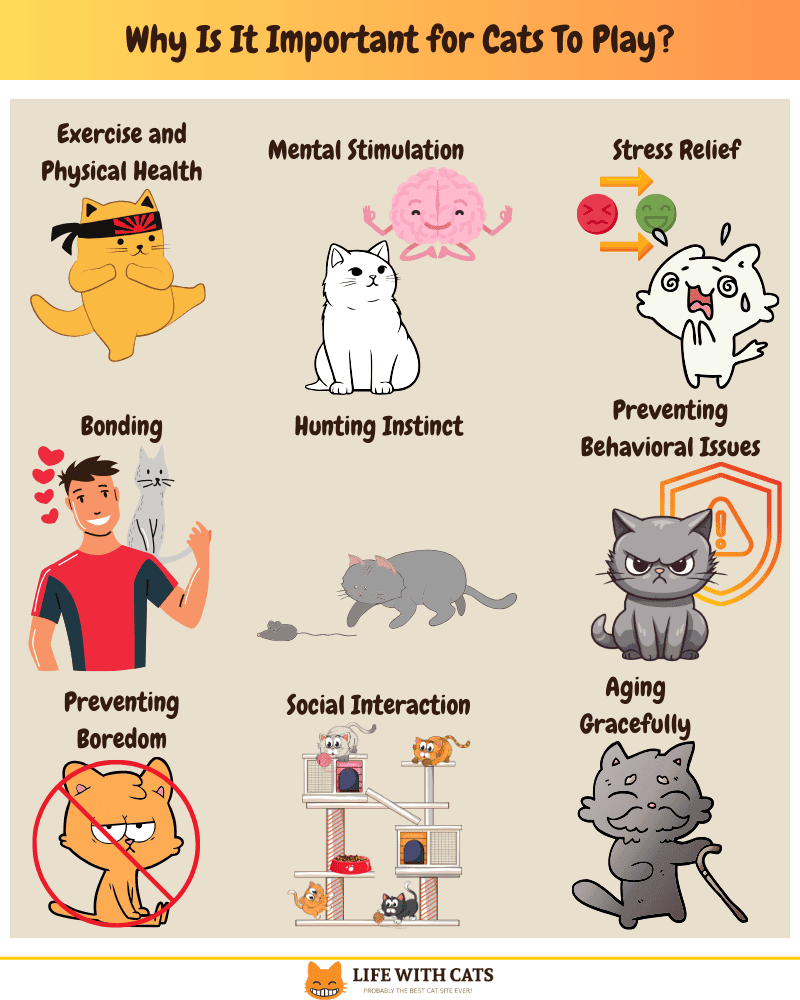
Bringing a new kitten into your home is an exciting experience, filled with playful antics and adorable moments. However, the natural predatory instincts that drive their play can sometimes lead to accidental scratches and bites, both for their playmates and for you. A common mistake many owners make is inadvertently encouraging rough play by using their hands and fingers as toys. Fortunately, training your kitten to understand the rules of play is achievable with consistency and patience. By understanding your kitten’s behavior and redirecting their energy, you can foster gentle play habits and ensure a harmonious relationship. This guide will walk you through essential strategies to help your kitten learn to play appropriately.
Hands Are Not Toys
It’s crucial to avoid using your hands or fingers as playthings for your kitten from the very beginning. While it might seem harmless, this practice can lead to a lifetime of nips and scratches. Your kitten isn’t intentionally trying to hurt you; they simply haven’t developed the understanding of their own strength and actions. Pay close attention to behaviors like batting, chasing, pouncing, stalking, ambushing, and biting. These actions are vital for their mental and physical development, honing their natural instincts. Keeping them engaged and active is a fundamental aspect of responsible cat ownership.
Interpreting Your Kitten’s Body Language
During playtime, observing your kitten’s body language is paramount. Their tails and ears can offer significant clues about their emotional state. Signs of potential aggression include a twitching tail, flattened ears, hissing, vocalizations, or a puffed-up coat. Dilated pupils, a crouched stance, a frozen posture, and sudden movements all indicate that your kitten may need some space. Continuing to play in a way that makes them uncomfortable could result in biting or scratching.
When Play Gets Rough
Playtime can sometimes resemble aggressive behavior, but it’s important to distinguish this from true feline aggression. If your kitten tends to bite or scratch during play, providing gentle guidance is essential. Here are some effective strategies:
- Focus on Toys: Keep the focus of play on toys designed to help your kitten develop their hunting and pouncing skills. This redirects their energy appropriately.
- Use a Verbal Cue: When your kitten attempts to bite or scratch you during play, use a consistent word like “ouch” or “no.” Immediately stop playing and disengage, perhaps by moving to a different room.
- Ignore Overexcitement: If your kitten becomes overly wild, briefly ignore their behavior. They will learn that such actions do not elicit a response from you.
- Redirection is Key: Utilize redirection to help your kitten disengage from “attack mode.” Offer a suitable toy to redirect their attention.
- Provide Appropriate Outlets: Invest in high-quality scratching posts and cat trees. These provide acceptable alternatives for scratching and climbing, fulfilling their natural needs.
- Maintain Claw Health: Regularly trimming your kitten’s claws can minimize potential harm during play.
If you have only one kitten, be prepared to dedicate more time to their training and socialization. While they will eventually learn, it may take longer than in multi-kitten households. Kittens who are under-stimulated may exhibit more problematic behaviors.
Conversely, overstimulation can also be detrimental. Excessive play can lead to an irritable, fatigued, or overly agitated kitten. It’s important to observe their body language and provide them with ample opportunities for rest and quiet time.
Training Your Kitten
Sometimes, your kitten might playfully nip or scratch. This can be a sign of affection, a way to communicate, or a bid for attention. It is crucial never to scold or punish your kitten for play-fighting, as this is a natural instinct. Instead, use these moments as opportunities to engage in appropriate play and shower them with affection.
If you do sustain a bite or scratch, always clean the wound thoroughly with soap and water. For further guidance on how to train a cat not to do something, or to find cat training near me, our dedicated team is here to help.
Please feel free to call us at (916) 624-PETS (7387) with any additional questions about training your kitten to behave appropriately. Our veterinarians at Rocklin Ranch Veterinary Hospital are always available to provide expert advice and support for your feline companions.
