
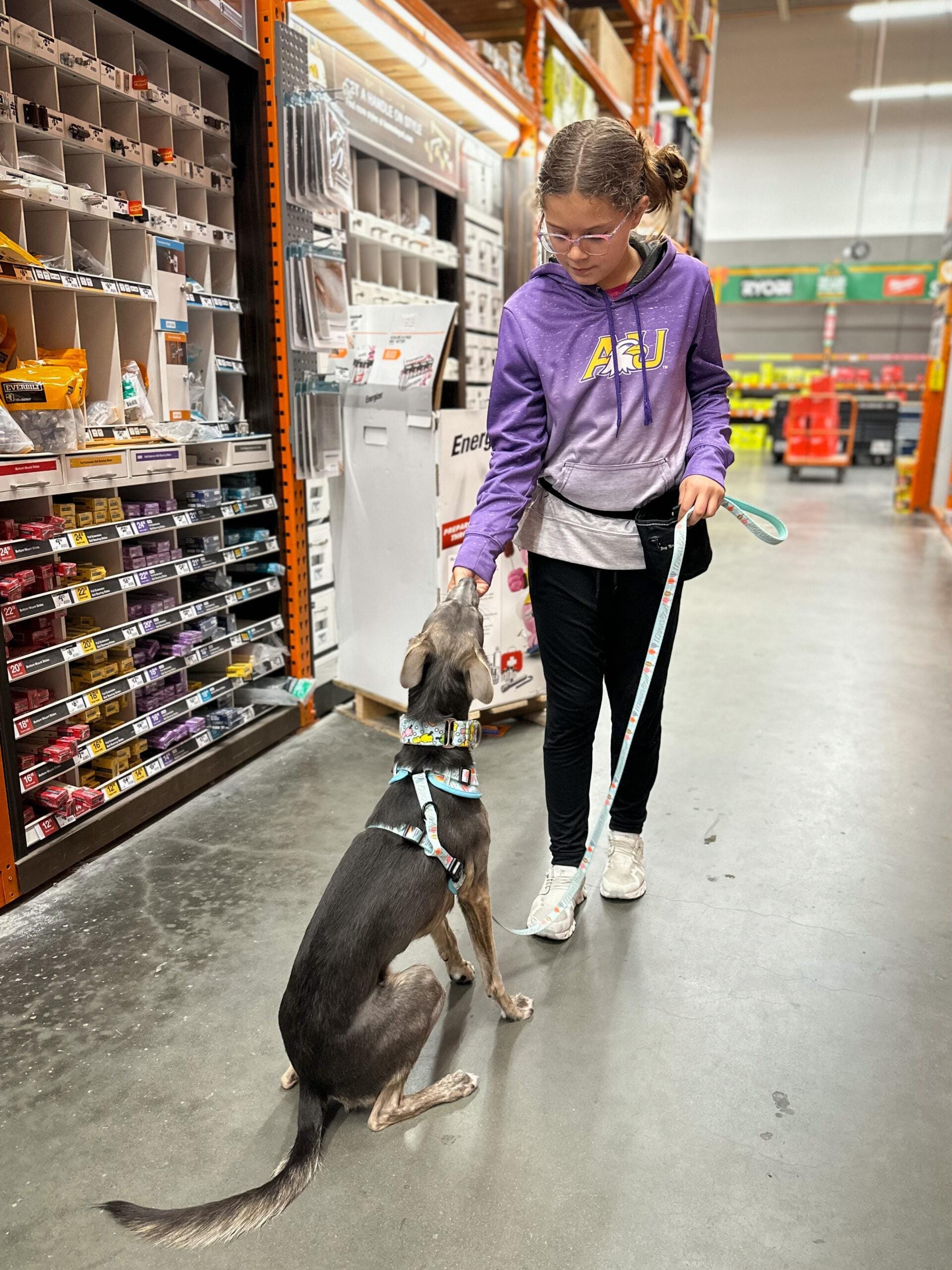
Embarking on the journey to become a therapy dog team is a rewarding experience, offering the chance to bring comfort and joy to others. While the core of this endeavor lies in your dog’s temperament and your commitment, proper training and understanding the requirements are crucial first steps. This guide will walk you through the essential aspects of preparing your dog for therapy work, from foundational obedience to understanding the roles of various organizations.
A fundamental aspect of therapy dog work is ensuring your dog is well-behaved and responsive to commands. The American Kennel Club’s (AKC) Canine Good Citizen (CGC) test is an excellent starting point for any aspiring therapy dog. This program focuses on basic good manners, teaching your dog essential commands such as “come,” “sit,” “stay,” and “down,” as well as how to interact appropriately with other dogs. Passing the CGC test not only builds a strong foundation for your dog but also often serves as a prerequisite for many therapy dog organizations’ own testing. Learn more about CGC and its ten test items.
Understanding Therapy Dog Organizations
Before you begin training, it’s essential to research and understand the various therapy dog organizations available. Joining a local therapy dog group provides invaluable support and guidance from experienced handlers who can share their knowledge of volunteering in therapy settings. These organizations also typically offer liability insurance, a necessary component for providing volunteer services. Explore a list of therapy dog organizations and their specific requirements.
Proactive Steps for Preparation
Beyond general research, taking proactive steps can streamline your preparation process. If you have a specific facility in mind for volunteering, such as a school or hospital, contact their volunteer coordinator directly. Inquire about their therapy dog program and whether they have specific registration requirements or affiliations with particular organizations. This can save you time and effort in the long run. It’s also advisable to ask if you can visit the facility to observe their therapy dogs in action before registering your own, allowing you to gain a firsthand understanding of the environment and expectations without your dog present.
For those unsure of a specific facility, reaching out to your local AKC club can be beneficial. Members of these clubs are often well-connected within the dog training community and may be aware of local therapy dog groups and ongoing activities. Local dog trainers are also a valuable resource for this information. Find an AKC club near you.
Registration and Getting Started
Once you have identified and selected a therapy dog organization that aligns with your goals, the next step is to complete their application process. Most organizations provide application forms on their websites. Carefully review and fulfill all stated requirements.
We hope that you and your canine companion find immense fulfillment in volunteering in animal-assisted therapy, making a positive impact on the lives of others. After successfully completing 10 therapy visits, you can apply for the AKC Novice Therapy Dog title, the THDN.
For further information, please contact akctherapydog@akc.org.
A Note on Differentiation: Therapy Dogs vs. Service Dogs
It is important to understand the distinct roles of therapy dogs and service dogs. Therapy dogs, accompanied by their owners or handlers, volunteer in various settings like schools and nursing homes to provide comfort and support. However, they do not possess the same public access privileges as service dogs; they cannot freely enter places like airplanes or restaurants solely based on their therapy status. Service dogs, on the other hand, are specifically trained to assist individuals with disabilities, performing tasks that mitigate the impact of their disability. Consequently, service dogs are legally permitted in public places.
