
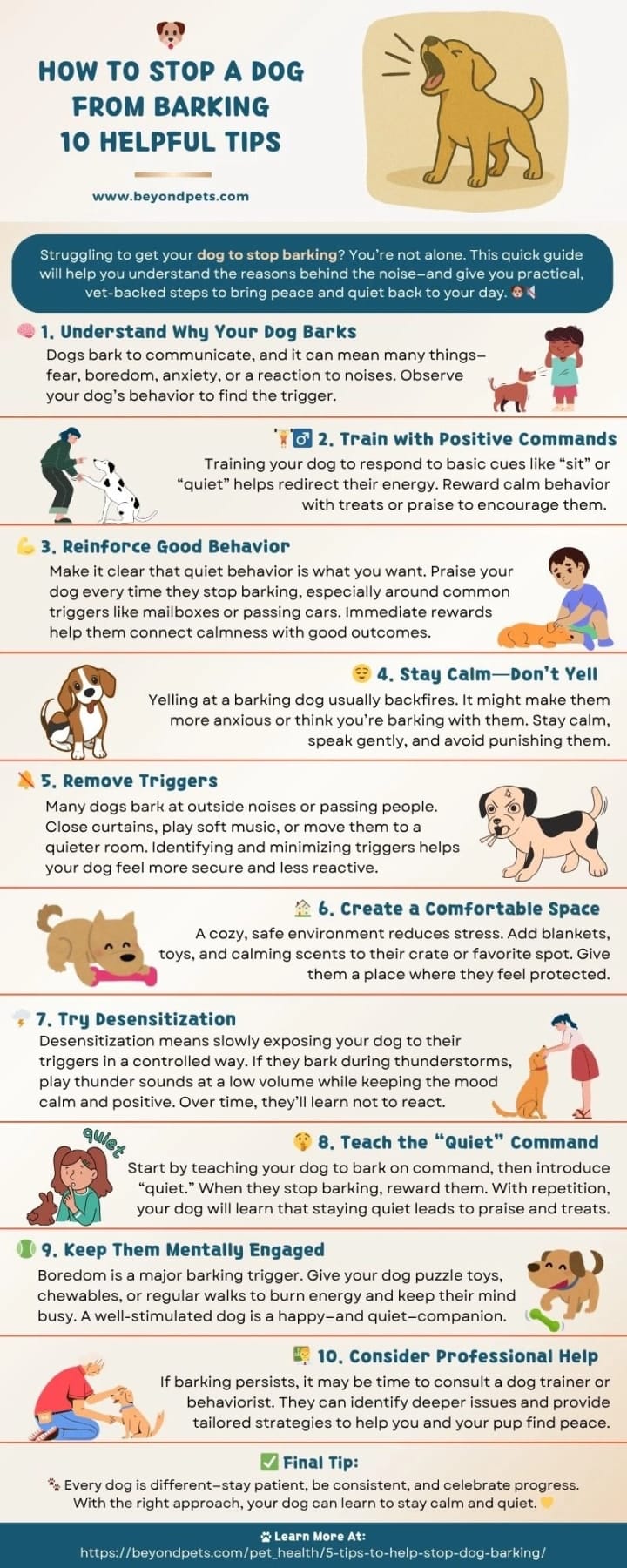
Barking is a natural form of communication for dogs, but excessive barking can be a source of frustration for owners and a nuisance to neighbors. Understanding the root cause of your dog’s barking is the first step toward implementing effective solutions. This guide explores six proven techniques to help reduce unwanted barking, promoting a calmer and more harmonious living environment for both you and your canine companion.
It’s important to remember that training takes time and consistency. While these methods can be successful, you shouldn’t expect immediate results. The longer a dog has engaged in barking behavior, the more time it will take to retrain them to use alternative communication methods or become desensitized to triggers. Always maintain a positive and upbeat approach during training sessions, as barking is a normal canine behavior. Ensuring everyone in the household is consistent with the training plan will lead to faster and more effective results.
Prevention is Key: Keeping Your Dog Engaged
Whether you’ve welcomed a new adult dog into your home or are navigating the early days with a puppy, keeping your dog physically and mentally stimulated is crucial for reducing barking. Ample exercise and engaging activities can prevent your dog from resorting to barking out of boredom or pent-up energy. Pay close attention to what triggers your dog’s barking and apply the following techniques to decrease its frequency. While puppies will not simply “grow out of” barking, positive interventions can teach them alternative ways to communicate their needs and reduce excessive vocalizations. Recognizing when your dog barks can offer valuable insights into their fears or discomforts. As a responsible pet parent, your role is to advocate for your dog’s well-being, which includes avoiding situations that cause them undue stress. Persistent barking often signals an unmet need or a desire to be removed from an overwhelming or frightening situation.
Remove the Motivation to Bark
Dogs bark because they receive some form of reward or reinforcement from it. Identifying what your dog gains from barking is essential to effectively removing that motivation.
Addressing Barking at Passersby
If your dog barks at people or animals visible through a window, manage the situation by closing the curtains or relocating your dog to a different area of the house. This prevents them from practicing the barking behavior in response to visual triggers. For more persistent issues, consider exploring well-d dog training collar options that can aid in managing vocalizations under supervision.
Training for Outdoor Access
When your dog barks to be let outside, train them to use a bell by the door as an alternative communication method. Begin by guiding your dog to the bell and rewarding them with a treat when they interact with it. Gradually, encourage them to ring the bell independently before being allowed outside for potty breaks. This redirects their barking into a desired, clear signal.
Teach Your Dog to Bark on Command
Paradoxically, teaching your dog to bark on command can help you teach them to be quiet on command. Start by identifying a trigger that reliably makes your dog bark. When they bark, enthusiastically say “Speak!” and offer a high-value treat. Repeat this process until your dog associates the command with barking. Once they reliably bark when you say “Speak,” you can begin introducing the “Quiet” command. When your dog barks, wait for a brief pause, then say “Quiet” and reward them. Gradually increase the duration of the quiet period before offering the reward. This method requires patience and consistency.
Desensitize Your Dog to Barking Triggers
For many dogs, barking is a reaction to specific stimuli, such as the doorbell, other dogs, or unfamiliar people. To desensitize your dog, you need to gradually expose them to these triggers at a low intensity while ensuring they remain calm. For example, if the doorbell is a trigger, have a friend ring it very softly while you reward your dog for remaining quiet. Slowly increase the intensity of the doorbell ring over many sessions, always rewarding calm behavior. This process helps your dog learn that the trigger is not a threat and doesn’t warrant barking. If your dog is exhibiting anxiety or fear-based barking, seeking guidance on how to train dog for service may offer insights into building confidence and managing reactivity.
Provide Sufficient Physical and Mental Exercise
A tired dog is a quiet dog. Ensure your dog receives adequate daily exercise tailored to their breed, age, and energy level. This includes daily walks, runs, or play sessions. In addition to physical activity, mental stimulation is equally important. Puzzle toys, interactive games, and training sessions can help keep your dog’s mind engaged, reducing the likelihood of boredom-induced barking. Exploring options for advanced dog training near me can provide structured environments for both physical and mental challenges.
Consult a Professional Trainer or Behaviorist
If you’ve tried various techniques without success, or if your dog’s barking is accompanied by aggression or other concerning behaviors, it’s time to seek professional help. A certified dog trainer or veterinary behaviorist can assess your dog’s specific situation, identify the underlying causes of the barking, and develop a personalized training plan. They can offer expert guidance and support throughout the process, helping you achieve lasting results. For those in specific geographic areas, searching for dog training mt juliet or similar local terms can help find qualified professionals.
Conclusion
Reducing excessive barking requires patience, consistency, and a clear understanding of your dog’s motivations. By implementing these techniques—prevention, removing motivation, teaching commands, desensitization, ensuring adequate exercise, and seeking professional help when needed—you can effectively manage and reduce your dog’s barking. This will not only improve your quality of life but also strengthen the bond you share with your well-behaved canine companion.
