
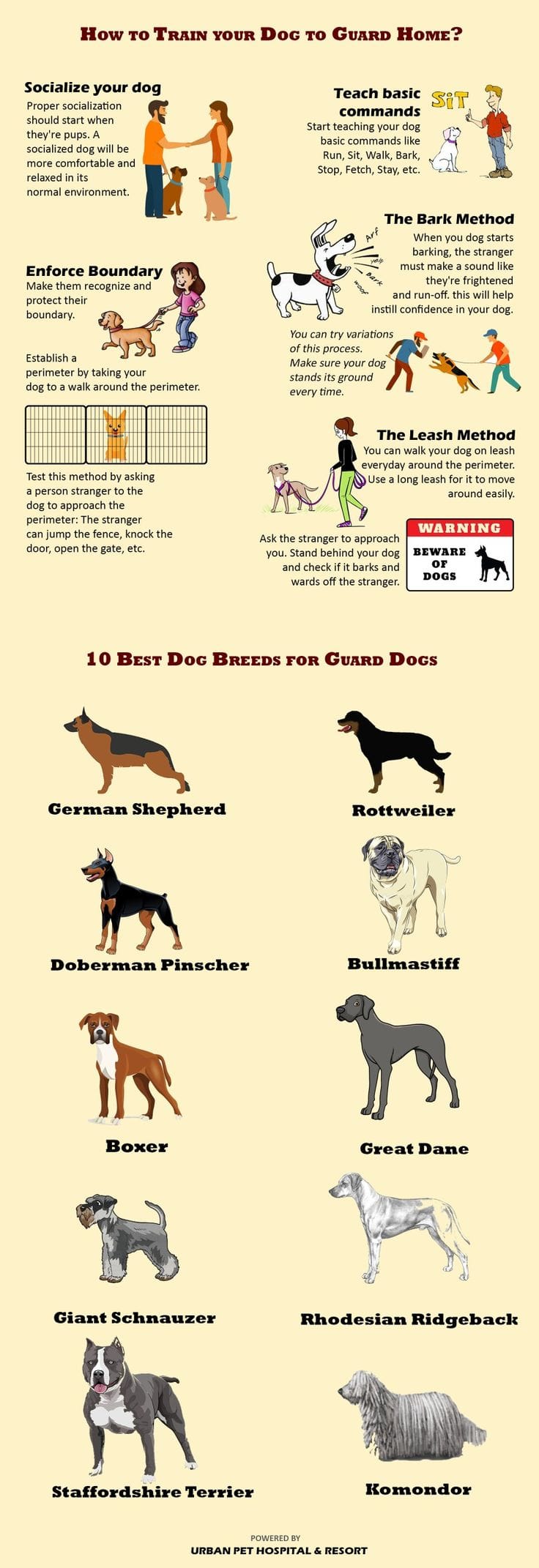
Training a dog to be a guard dog is a significant responsibility that requires dedication, consistency, and a deep understanding of canine behavior. It’s not about creating an aggressive animal, but rather a confident, alert, and protective companion that knows when to respond to a perceived threat. This guide will walk you through the essential steps to responsibly train your dog for guarding duties, focusing on building a strong foundation of obedience and appropriate protective instincts.
Understanding Guard Dog Training
Guard dog training differs from basic obedience. While a well-behaved dog listens to commands, a guard dog is trained to recognize and react to specific situations that may pose a risk to its home or family. This involves developing a keen sense of awareness, a controlled alert bark, and, in advanced stages, a protective stance. It’s crucial to remember that this training should only be undertaken with breeds known for their protective instincts and physical capabilities, and only by owners who can commit to the rigorous process.
Essential Foundations: Building Trust and Obedience
Before you even think about specialized guard training, your dog needs a rock-solid foundation in obedience. This is non-negotiable. A dog that doesn’t reliably respond to basic commands can be a danger to itself and others when its protective instincts are heightened.
Basic Obedience Commands
Mastering these commands is the first step. Each command should be practiced in various environments with increasing distractions.
- Sit: Teach your dog to sit on command. This is a foundational command for impulse control.
- Stay: A reliable “stay” is crucial for preventing your dog from acting impulsively.
- Come/Recall: Your dog must come to you immediately when called, no matter the distraction. This is a critical safety command.
- Down: Similar to “sit,” this command promotes calmness and control.
- Leave It: This command teaches your dog to ignore something it’s not supposed to touch or interact with. It’s vital for preventing your dog from picking up dangerous items or being lured away.
Socialization: The Cornerstone of a Balanced Guard Dog
Proper socialization is perhaps the most critical aspect of training a guard dog. A well-socialized dog is comfortable around different people, animals, and environments. This prevents fear-based aggression, which is unpredictable and dangerous.
- Early and Ongoing Exposure: Expose your puppy to a wide variety of sights, sounds, people (of all ages and appearances), and other friendly, vaccinated animals from a young age.
- Positive Reinforcement: Ensure all new experiences are positive. Use treats, praise, and calm encouragement. Avoid forcing your dog into situations where it feels overwhelmed.
- Controlled Environments: Start introductions in controlled settings. For example, meet new people in your home or a quiet park.
Developing Alertness and Protective Instincts
Once basic obedience is mastered and your dog is well-socialized, you can begin to introduce elements of guarding behavior. This phase focuses on encouraging your dog’s natural instincts in a controlled manner.
The Alert Bark
A guard dog’s first line of defense is its bark. You want your dog to alert you to the presence of strangers or unusual sounds, but not to bark excessively or aggressively at everything.
- “Speak” Command: Teach your dog to bark on command. This might seem counterintuitive, but it helps you control when the barking starts and stops.
- “Quiet” Command: Once your dog barks on command (or in response to a staged cue), immediately teach it to be quiet. Reward silence generously.
- Controlled Stimuli: Gradually introduce stimuli that would naturally cause a dog to bark – a knock on the door, a car door slamming. Reward an alert bark, and then reward the “quiet” command.
- Distinguish Alert from Aggression: Differentiate between an alert bark (clear, confident, directed at the stimulus) and a fearful or aggressive bark (high-pitched, distressed, or accompanied by lunging/growling). You want to encourage the former and discourage the latter.
Recognizing Threats and Boundaries
Your dog needs to understand what constitutes a threat and where its protective duties begin and end. This involves teaching your dog to recognize familiar versus unfamiliar individuals and to be wary of anyone who enters your property without invitation.
- “Who’s There?” Game: Practice having a friend or family member approach the door. When your dog alerts, reward it. Then, have the person retreat. This teaches your dog that alerting is effective.
- Establishing Boundaries: Define clear boundaries for your dog’s territory. This could be your yard, your home, or even your car. Teach your dog to stay within these boundaries and to alert you if someone crosses them.
Advanced Guarding Techniques (Use with Caution)
These techniques are for experienced handlers and require professional guidance. They involve teaching your dog to physically deter a threat. It is highly recommended to work with a professional dog trainer specializing in protection work for these stages.
Building Confidence and Courage
A guard dog needs to be confident. Timid dogs are more likely to react out of fear. Building confidence can be done through various activities:
- Agility Training: Navigating obstacle courses builds confidence and problem-solving skills.
- New Experiences: Continuing to expose your dog to new, positive environments.
- Positive Reinforcement: Consistently rewarding bravery and good behavior.
Controlled Apprehension and Bite Work
This is the most advanced and potentially dangerous aspect of guard dog training. It involves teaching the dog to apprehend a suspect only when commanded and to release the target on command.
- Professional Trainer is Essential: Do not attempt bite work without a qualified, experienced professional. Incorrect training can lead to a dog that is uncontrollably aggressive or that bites inappropriately.
- The “Suit” and Equipment: Trainers use specialized protective gear (like bite suits) and training aids to simulate real-life scenarios safely.
- Controlled Environment: This training is always conducted in a highly controlled environment with experienced handlers and trainers present.
- Focus on Control: The emphasis is always on the dog’s ability to obey commands – to engage, to disengage, and to hold without causing excessive harm.
Important Considerations for Responsible Guard Dog Ownership
Owning a dog trained for guarding comes with significant responsibilities beyond basic care.
Legal and Ethical Implications
- Liability: You are legally responsible for your dog’s actions. If your trained guard dog injures someone inappropriately, you could face severe legal consequences.
- Local Laws: Be aware of and comply with all local ordinances regarding guard dogs, including registration and fencing requirements.
- Ethical Training: Ensure your training methods are humane and focus on building a controlled, responsive dog, not a fearful or vicious one.
Ongoing Training and Maintenance
Guard training is not a one-time event. It requires continuous reinforcement and practice to maintain.
- Regular Practice: Continue practicing obedience commands and the alert/quiet sequence regularly.
- Controlled Exposure: Periodically expose your dog to new people and situations under controlled conditions to maintain its socialization.
- Professional Check-ins: Consider occasional sessions with your trainer to ensure your dog’s skills remain sharp and its behavior is appropriate.
Choosing the Right Breed
Not all breeds are suited for guard dog work. Generally, breeds known for their intelligence, loyalty, courage, and protective instincts are considered. Common choices include German Shepherds, Rottweilers, Doberman Pinschers, Belgian Malinois, and Giant Schnauzers. However, even within these breeds, individual temperament and drive vary greatly. Proper temperament testing is crucial before committing to guard dog training.
Conclusion: A Lifelong Commitment
Training your dog to be a guard dog is a serious undertaking that demands time, patience, expertise, and a deep commitment to responsible ownership. It’s about channeling a dog’s natural instincts into a controlled, protective presence that enhances your home’s security and provides loyal companionship. Always prioritize safety, obedience, and socialization. If you are considering guard dog training, seek out reputable, experienced professionals who share your commitment to humane and effective methods. A well-trained guard dog is a valuable asset, but it starts with a strong bond, unwavering trust, and a comprehensive understanding of canine behavior.
