
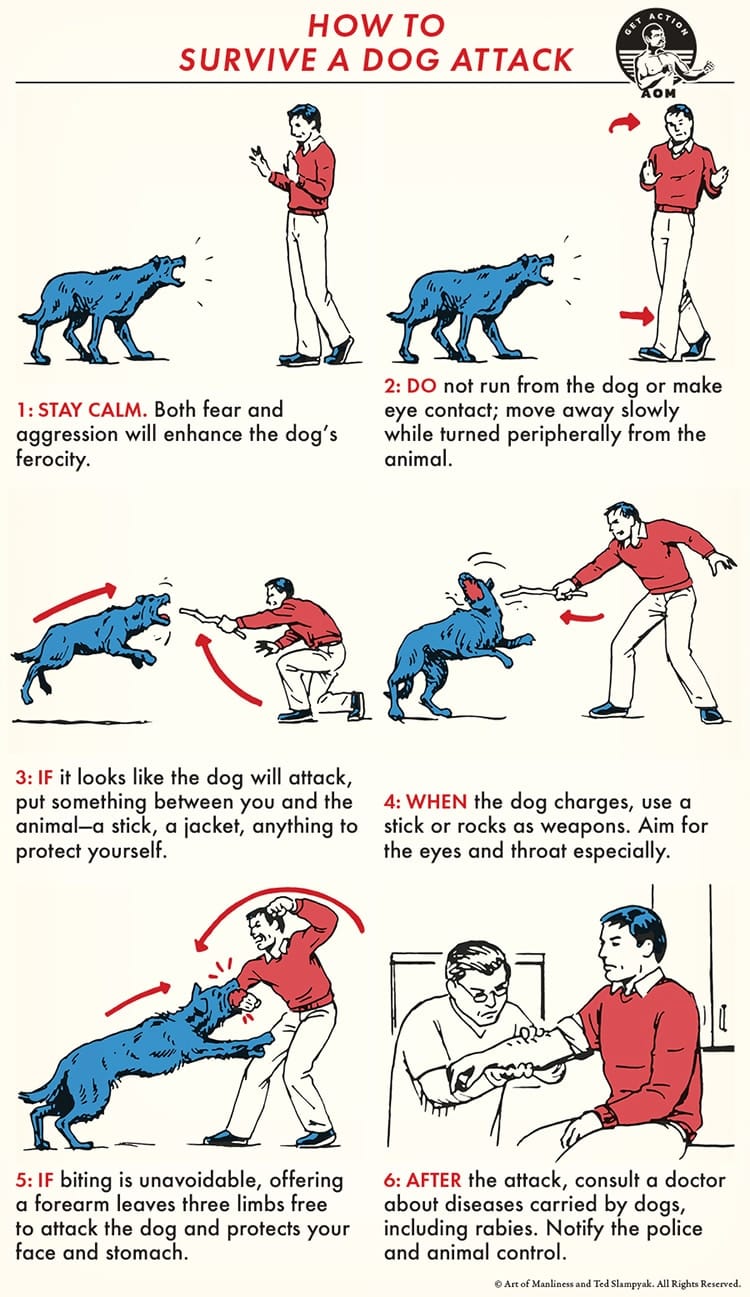
Bringing a dog into your life is a joyous occasion, filled with wagging tails and unconditional love. However, even the most well-intentioned pups can exhibit biting behaviors. Understanding why dogs bite and learning effective training methods are crucial for ensuring a safe and harmonious relationship between your dog and your family. This guide will delve into the intricacies of canine behavior, explore the common reasons behind biting, and provide actionable steps to help your dog overcome this challenge.
Understanding the Roots of Biting Behavior in Dogs
Biting is a natural canine behavior, but when it becomes problematic, it’s essential to pinpoint the underlying cause. Several factors can contribute to a dog’s propensity to bite, ranging from fear and anxiety to territorial instincts and playful exuberance gone awry.
Play Biting and Nipping
Puppies, in particular, explore the world with their mouths. Play biting, or nipping, is common as they learn bite inhibition from their littermates and mother. If this behavior isn’t corrected, it can persist into adulthood, often manifesting as mouthing during play. While not usually aggressive, persistent nipping can be painful and require attention.
Fear and Anxiety-Based Biting
A dog that feels threatened, cornered, or scared may resort to biting as a defense mechanism. This can happen if a dog is surprised, handled roughly, or finds itself in an unfamiliar or overwhelming situation. Signs of fear-based aggression include a tucked tail, flattened ears, lip licking, yawning, and whale eye (showing the whites of their eyes).
Territorial or Protective Biting
Some dogs exhibit guarding behavior, perceiving certain areas, people, or objects as their own. They may bark aggressively or bite to protect their territory from perceived intruders. This can extend to protecting their food, toys, or even their human family members.
Pain or Medical Issues
Sudden aggression or increased biting can sometimes be a sign of an underlying medical condition or pain. If your dog is usually gentle but starts biting, a veterinary check-up is highly recommended to rule out any health concerns.
Frustration and Overstimulation
Dogs can become frustrated or overstimulated, especially during play or when they are unable to access something they desire. This can lead to a loss of impulse control and result in nipping or biting.
Effective Strategies for Training Your Dog Not to Bite
The good news is that with consistent training and a deep understanding of your dog’s needs, most biting behaviors can be managed and redirected. The key is to focus on positive reinforcement and to address the root cause of the biting.
Teaching Bite Inhibition
For puppies and dogs that exhibit play biting, teaching bite inhibition is paramount. The goal is to teach them to control the pressure of their bite.
- Yelp Loudly: When your puppy or dog nips too hard during play, let out a high-pitched yelp, mimicking the sound of a hurt littermate.
- Withdraw Attention: Immediately withdraw your hand or stop playing. If the nipping continues, calmly leave the room for a minute or two.
- Resume Play Gently: Once you re-engage, if your dog is gentler, praise and reward them. If they revert to hard nipping, repeat the process.
- Offer Alternatives: Provide plenty of appropriate chew toys. When your dog starts to mouth you, redirect them to a toy.
Desensitization and Counter-Conditioning for Fear-Based Biting
If your dog’s biting stems from fear, the training approach needs to be gradual and focus on building their confidence and positive associations with triggers. This is where seeking professional guidance for reactive dog training near me can be invaluable.
- Identify Triggers: Determine what situations or stimuli cause your dog to feel fearful.
- Controlled Exposure: Gradually expose your dog to these triggers at a distance where they don’t react fearfully.
- Positive Reinforcement: Reward your dog with high-value treats and praise for remaining calm.
- Slowly Decrease Distance: Over time, slowly decrease the distance to the trigger, always ensuring your dog remains comfortable and happy. If at any point they show signs of stress, increase the distance again.
Managing Territorial or Protective Behavior
For dogs exhibiting territorial aggression, management and consistent training are key.
- Establish Leadership: Firmly establish yourself as the leader of the pack. This doesn’t mean being harsh, but rather being consistent with rules and boundaries.
- Control Access: Limit your dog’s ability to guard specific areas. For instance, don’t allow them to have free rein of the front window if they bark and lunge at passersby.
- Socialization: Proper socialization from a young age is crucial. If your dog is older and exhibits these behaviors, carefully managed introductions to new people and situations can help. Consider looking into dog training blaine mn or similar services if local expertise is needed.
- “Leave It” Command: Teach your dog a strong “leave it” command to help them disengage from guarding objects or areas.
Addressing Frustration and Overstimulation
When a dog is overstimulated or frustrated, they may nip. This is often seen in high-energy dogs or during intense play sessions.
- Recognize Early Signs: Learn to read your dog’s body language to know when they are becoming overstimulated. Signs can include frantic tail wagging, excessive panting, dilated pupils, or stiffening of the body.
- Time-Out: If you notice these signs, calmly interrupt the activity and give your dog a brief time-out in a quiet space to calm down.
- Provide Mental and Physical Exercise: Ensure your dog is getting enough appropriate exercise and mental stimulation daily. A tired dog is less likely to become frustrated. Exploring best dog training resources can offer excellent ideas for enrichment.
- Redirect Energy: Channel their energy into appropriate activities like fetch, training sessions, or puzzle toys.
The Role of Professional Help
While many biting issues can be addressed with consistent owner training, some dogs require professional intervention. A certified professional dog trainer or a veterinary behaviorist can provide tailored strategies for complex cases. They can assess your dog’s specific situation, identify the root cause of the aggression, and develop a personalized training plan. If you’re in Texas, for example, you might seek out dog training tyler tx specialists. Similarly, finding experts in dog training overland park ks or your local area is advisable for more severe or persistent issues.
Prevention is Key
The best approach to managing biting behavior is prevention. This involves:
- Early Socialization: Expose puppies to a variety of sights, sounds, people, and other well-behaved dogs from a young age in a positive and controlled manner.
- Consistent Training: Use positive reinforcement methods for all training, teaching basic obedience cues.
- Understanding Canine Body Language: Learn to read your dog’s signals to anticipate and de-escalate potentially stressful situations.
- Providing Appropriate Outlets: Ensure your dog has plenty of physical exercise, mental stimulation, and opportunities for appropriate play.
- Supervision: Never leave young children unsupervised with a dog, regardless of the dog’s temperament.
Biting is a serious issue that requires patience, consistency, and a commitment to understanding your dog. By applying these training strategies and seeking professional help when needed, you can effectively train your dog not to bite, fostering a lifetime of companionship and trust. Remember, every dog is an individual, and the journey to a well-behaved companion is a rewarding one.
