
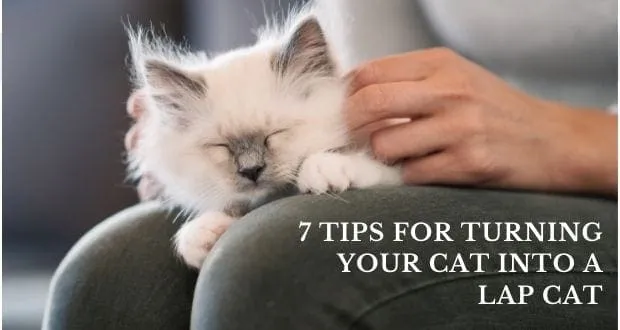
Many cat owners dream of a feline companion who enjoys lounging on their lap, providing warmth and companionship. While some cats seem naturally inclined to be lap cats, it’s often possible to encourage even a reluctant cat to find comfort in your presence. Genetics and early socialization play a role, with kittens born to social parents and those handled gently during their critical 2-7 week socialization period having a higher chance of becoming more affectionate adults. However, not every cat will become a lap cat, and it’s important to cherish the unique ways your cat expresses love and trust, even if it’s by simply sitting beside you. If you’re hoping to entice your cat to become a lap cat, here are seven tips that can help strengthen your bond, even if ultimate lap-sitting doesn’t materialize. how to get cats to stop scratching doors
Tip 1: Create a Secure Environment
For a cat to feel safe enough to relax and let their guard down on your lap, their living environment must exude safety and security. A stressful or chaotic home can make a cat feel too vulnerable for such a position. In multi-cat households, a cat might feel it’s not safe to be visible, let alone relaxed on your lap. Assess your home to ensure it offers consistency, security, and comfort. This might involve introducing a cat perch, a cat tree, or several hiding spots where your cat can feel secure and comfortable staying in the same room as you.
Tip 2: Be a Calm and Trustworthy Presence
Before your cat even considers settling on your lap, there are a few “pre-lap” preparations you should undertake. Ensure your mobile phone’s ringer is off and it’s not tucked away in your pocket, as retrieving it could startle your cat just as they’re getting comfortable. Keep your voice soft and comforting, whether you’re on the phone or talking to others in the room. Sudden loud noises can easily send your cat fleeing.
Building trust and consistency is paramount. To make your lap a desirable place, you need to be a person your cat wants to be around. If you’ve ever resorted to physical punishment or reprimanded your cat for being on furniture, they may understandably be hesitant to be in close physical contact. In such cases, your priority is to rebuild trust through consistent, positive reinforcement. Address unwanted behaviors by understanding their root cause and creating acceptable alternatives instead of resorting to punishment. Resources on our website offer guidance on training methods to foster trust and reduce stress related to issues like litter box use, scratching, biting, and attention-seeking. Engaging in interactive play sessions also helps your cat form positive associations with your presence, making it one of the most effective ways to mend a damaged bond. how to teach cat to play fetch
Tip 3: Make it Rewarding
A little bribery can go a long way in enticing your cat closer to your lap. If you’re working with a timid cat, opt for sitting on a sofa rather than a chair, as this gives your cat a greater sense of control as they approach. High-armed chairs might make them feel enclosed or trapped.
Keep treats readily available and toss them gently, one by one, on the floor in front of you. If your cat responds positively, toss a treat onto the couch. Gradually work your way up to placing a treat on your lap. Crucially, refrain from reaching out to pet or grab your cat during this process. Even if they do venture onto your lap, allow them complete freedom. This step is vital for building trust, which is essential if you ever hope for them to feel safe enough to settle there in the future.
Tip 4: Interpret Body Language Correctly
It’s easy to misinterpret a cat’s approach as an invitation for snuggles when they might be trying to communicate something else entirely. If your cat is vocalizing or pacing, they might be requesting food, playtime, or another form of attention. They could be in a playful mood, not an affectionate one.
If your cat attempts to settle on your lap but becomes restless or exhibits behaviors like tail flicking, skin twitching, vocalizing, or ear positions resembling airplane wings, they may be becoming irritated. In your eagerness to have your cat on your lap, you might have started petting them, and they may have reached their tolerance level or simply don’t wish to be petted at that moment. Petting-induced aggression can easily occur if the cat is trying to nap or doesn’t want to be stimulated. Even without aggression, if your cat clearly signals they don’t want to be petted, they might bolt from your lap and become reluctant to return.
Tip 5: Pet Your Cat the Right Way
If your cat does welcome petting and affection, ensure the experience remains positive by paying close attention to their preferences. Pet them to relax them, not to overly stimulate them. Some cats prefer long, gentle strokes, while others enjoy shorter strokes that don’t cover their entire body. Observe if your cat becomes uncomfortable when you stroke near the base of their tail, as this can be a sensitive area for many felines. If your cat stretches out of your lap, resist the urge to hold their paws, as cats generally prefer their paws to be left alone. cat scratcher box train
Tip 6: Never Trick Your Cat
If your goal is to teach your cat that your lap is a safe and comfortable haven, the absolute worst thing you can do is trick them. Using the time they’ve bravely ventured onto your lap to administer medication or trim their nails will only create negative associations.
Tip 7: Always Allow Freedom of Movement
If your cat begins to squirm, attempts to move away, or jump down, do not restrain them. Knowing they have the freedom to leave when they choose will increase the likelihood of them returning to your lap in the future. Holding them against their will can transform a potentially positive experience into a negative one. Even if your cat only stays on your lap for a few seconds, maintain a positive and relaxed atmosphere. This brief, positive experience may encourage them to stay a little longer next time, which is a fantastic start. how to train cat to go outside and come back
For more in-depth information on cat behavior and training, consult the best-selling books by Pam Johnson-Bennett. Her books are available in bookstores and online.
If you have a question about your cat’s behavior or health, please contact your veterinarian. This article is intended for general informational purposes only and does not constitute medical advice or a substitute for professional veterinary care.
