
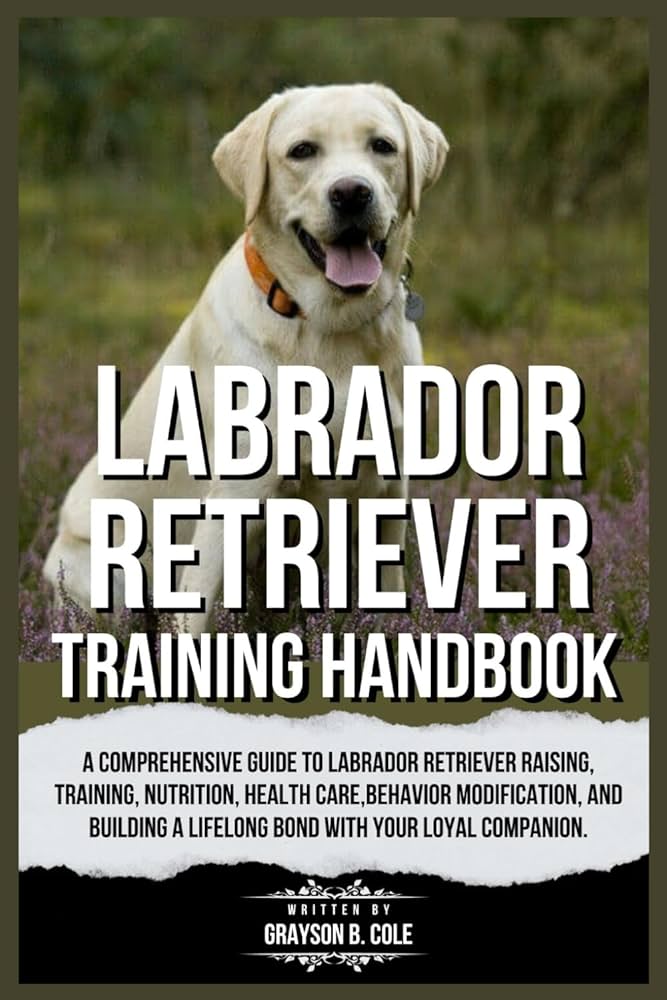
Bringing a Labrador Retriever into your home is an exciting adventure, and their intelligent, eager-to-please nature makes them highly trainable dogs. Whether you’re a first-time dog owner or have experience with other breeds, understanding the best methods for how to train labrador dog is key to a well-behaved companion. This guide will walk you through the essential steps, from basic obedience to addressing common challenges, ensuring your Lab becomes a cherished member of your family.
Labradors, originally bred as gun dogs to retrieve waterfowl, possess a strong work ethic and a desire to learn. This innate drive, combined with their friendly disposition, makes them exceptionally responsive to training. The key is consistency, positive reinforcement, and understanding what motivates your specific dog.
Understanding Labrador Temperament and Training Needs
Labradors are known for their boundless energy, intelligence, and love for people. They thrive on attention and exercise, and without sufficient outlets, their energy can manifest as destructive behavior or excessive barking. Training is not just about teaching commands; it’s about channeling their energy constructively and building a strong bond.
Their intelligence means they pick up commands quickly, but it also means they can become bored easily if training sessions are repetitive or lack variety. Incorporating playtime and different types of activities will keep them engaged.
“A well-trained Labrador is a joy to live with. Their intelligence and willingness to please make them ideal candidates for various roles, from family pets to service animals.”
Key Training Principles for Labs
- Positive Reinforcement: This is the cornerstone of effective dog training. Reward desired behaviors with treats, praise, or toys immediately. This strengthens the association between the action and the reward, making the dog more likely to repeat it.
- Consistency: Everyone in the household should use the same commands and rules. Inconsistency confuses the dog and hinders progress.
- Patience: Every dog learns at their own pace. There will be good days and challenging days. Stay patient and persistent.
- Early Socialization: Expose your Lab puppy to various sights, sounds, people, and other well-behaved dogs from a young age. This is crucial for developing a confident, well-adjusted dog.
- Management: While training is ongoing, use management techniques to prevent unwanted behaviors. This might include using crates, leashes, or baby gates.
Basic Obedience Training: The Foundation
Starting with basic obedience commands is fundamental. These commands not only provide structure but also ensure safety and establish clear communication between you and your dog.
Sit
- Hold a treat near your Lab’s nose.
- Move the treat up and slightly back over their head. As their head follows the treat, their rear end should naturally lower into a sit.
- The moment their rear touches the ground, say “Sit,” and give them the treat and praise.
- Repeat this several times in short, fun sessions.
Stay
Once your Lab reliably sits, you can introduce “Stay.”
- Ask your dog to “Sit.”
- Hold your hand up, palm facing them, and say “Stay.”
- Take one step back. If they remain seated, step forward, give them a treat, and praise.
- Gradually increase the distance and duration of the stay. If they get up, gently guide them back to the original spot and try again, perhaps with a shorter duration or distance.
Come (Recall)
A strong recall is vital for your Lab’s safety.
- On a leash, get down to your dog’s level.
- Enthusiastically call their name followed by “Come!”
- As they move towards you, offer praise.
- When they reach you, give them a high-value treat and lots of affection.
- Practice this in various safe environments, gradually increasing distractions. Never punish your dog if they eventually come to you, even if it took a while; you want them to always associate coming to you with positive experiences.
Down
- Ask your dog to “Sit.”
- Hold a treat near their nose.
- Lower the treat straight down between their front paws, then slowly pull it forward along the floor. Your dog should follow the treat into a down position.
- As they lie down, say “Down,” and reward them.
Leash Training Your Labrador
Labradors can be strong pullers, especially when excited. Leash training should start early to prevent pulling and ensure comfortable walks.
- Introduce the Collar/Harness: Let your puppy wear a lightweight collar or harness for short periods, associating it with positive experiences like meals or playtime.
- Attach the Leash: Once they are comfortable with the collar/harness, attach the leash. Allow them to drag it around under supervision for a short while.
- Positive Association: Reward your Lab for walking calmly beside you. If they pull, stop walking. Only resume when the leash slackens. This teaches them that pulling stops the fun.
- Leash Handling: Keep a loose, “J” shape in the leash. Avoid constant tension.
- Use a Front-Clip Harness: For persistent pullers, a front-clip harness can redirect their forward momentum, making pulling less effective and more uncomfortable for them.
Addressing Common Labrador Training Challenges
Even with the best intentions, you might encounter some common issues. Here’s how to approach them:
Jumping Up
Labradors often jump to greet people, especially when excited.
- Ignore the Behavior: When your Lab jumps, turn away or step back. Do not make eye contact or speak to them.
- Reward Calmness: As soon as all four paws are on the floor, calmly greet and reward them.
- “Off” Command: Teach an “Off” command by gently guiding them down and rewarding when they comply.
- Educate Visitors: Ask guests to also ignore jumping and only greet the dog when they are calm.
Chewing
Puppies and adolescent Labs explore the world with their mouths. Destructive chewing can occur if they are bored, anxious, or teething.
- Provide Appropriate Chew Toys: Offer a variety of safe and durable chew toys. Rotate them to keep things interesting.
- Supervise and Redirect: If you catch your Lab chewing something inappropriate, interrupt them with a sound, and immediately redirect them to an acceptable chew toy.
- Crate Training: A crate can be a safe den for your Lab when unsupervised, preventing access to forbidden items. Ensure the crate is a positive space.
- Exercise and Mental Stimulation: Ensure your Lab gets enough physical exercise and mental stimulation daily. A tired dog is less likely to be a destructive dog.
Barking
Excessive barking can be due to boredom, anxiety, seeking attention, or territorial instincts.
- Identify the Cause: Understand why your Lab is barking. Is it at the mail carrier? When left alone? When they want something?
- “Quiet” Command: Teach a “Quiet” command. When they bark, let them bark a few times, then say “Quiet” and hold a treat near their nose. Reward them when they stop barking to sniff the treat.
- Ignore Attention Barking: If they bark for attention, ignore them until they are quiet, then reward.
- Desensitization: For barking at triggers (like the doorbell), gradually expose them to the trigger at a low intensity while providing positive reinforcement.
Advanced Training and Activities
Once your Labrador has mastered basic obedience, consider more advanced training or activities:
- Agility: This sport tests a dog’s speed, agility, and obedience as they navigate an obstacle course. Labradors often excel due to their athleticism and trainability.
- Nose Work/Scent Training: Labs have a fantastic sense of smell. Scent work games can be mentally stimulating and fun, tapping into their natural retrieving instincts.
- Service Dog Training: Labradors are frequently chosen as service dogs due to their intelligence, temperament, and trainability. This requires extensive, specialized training. If you’re interested in this path, consider seeking professional guidance. For more on this, you might find labrador retriever service dog training resources helpful.
- Therapy Dog Work: Many Labradors have the calm and affectionate disposition suited for therapy work, providing comfort in hospitals, nursing homes, and schools.
The Role of Nutrition and Health in Training
A well-nourished dog is a healthier, more energetic, and more responsive learner.
- High-Quality Food: Feed your Labrador a high-quality dog food appropriate for their age, size, and activity level. This will provide the energy needed for training and daily life.
- Training Treats: Use small, high-value treats during training sessions. These should be tasty enough to motivate your dog but small enough not to contribute excessively to their daily caloric intake. Consider cutting up small pieces of cooked chicken, cheese, or commercial training treats.
- Regular Vet Check-ups: Ensure your dog is healthy and free from any underlying medical conditions that might affect their behavior or ability to learn.
Conclusion: Building a Lifelong Bond
Training your Labrador Retriever is an ongoing journey that strengthens your bond and ensures a harmonious life together. By applying consistent, positive training methods, understanding your dog’s unique personality, and providing ample opportunities for exercise and mental stimulation, you’ll cultivate a well-behaved, happy, and loyal companion. Remember that patience and a positive attitude are your most powerful tools. Enjoy the process and the incredible connection you’ll build with your Labrador!
