
Embarking on the journey of training your dog to track deer is a rewarding endeavor that strengthens your bond and taps into their natural instincts. Whether for sport, hunting, or simply the joy of the chase, understanding the nuances of scent work is key. This guide will delve into the essential aspects of “How To Train Dogs To Track,” transforming your canine companion into a skilled tracker.
The Fundamentals of Scent Training
At its core, scent training for dogs is about harnessing their incredible olfactory capabilities. Dogs possess scent receptors exponentially more numerous than humans, making them unparalleled in their ability to detect and follow a trail.
Understanding Canine Olfaction
A dog’s nose is a marvel. It can differentiate between thousands of scents, identify a scent’s origin, and even discern the age of a scent. When training for deer tracking, we’re essentially teaching them to focus on a specific scent – that of deer – and follow it to its source.
Building a Foundation: Basic Scent Games
Before diving into deer-specific training, it’s crucial to establish a solid foundation with basic scent games. These exercises help your dog understand the concept of “finding” by scent.
- “Find It” with Treats: Start by hiding a treat in an obvious spot and encouraging your dog to find it using the “find it” command. Gradually increase the difficulty by hiding the treat in more challenging locations.
- Scent Articles: Introduce a specific scent article (like a glove or a small towel) that your dog will associate with the training. Let them sniff it thoroughly. Then, hide the article and have them find it.
Introducing Deer Scent
Once your dog is adept at finding scented articles, you can begin introducing deer scent. There are several ways to do this, ensuring a positive and engaging learning experience.
Using Deer Scents
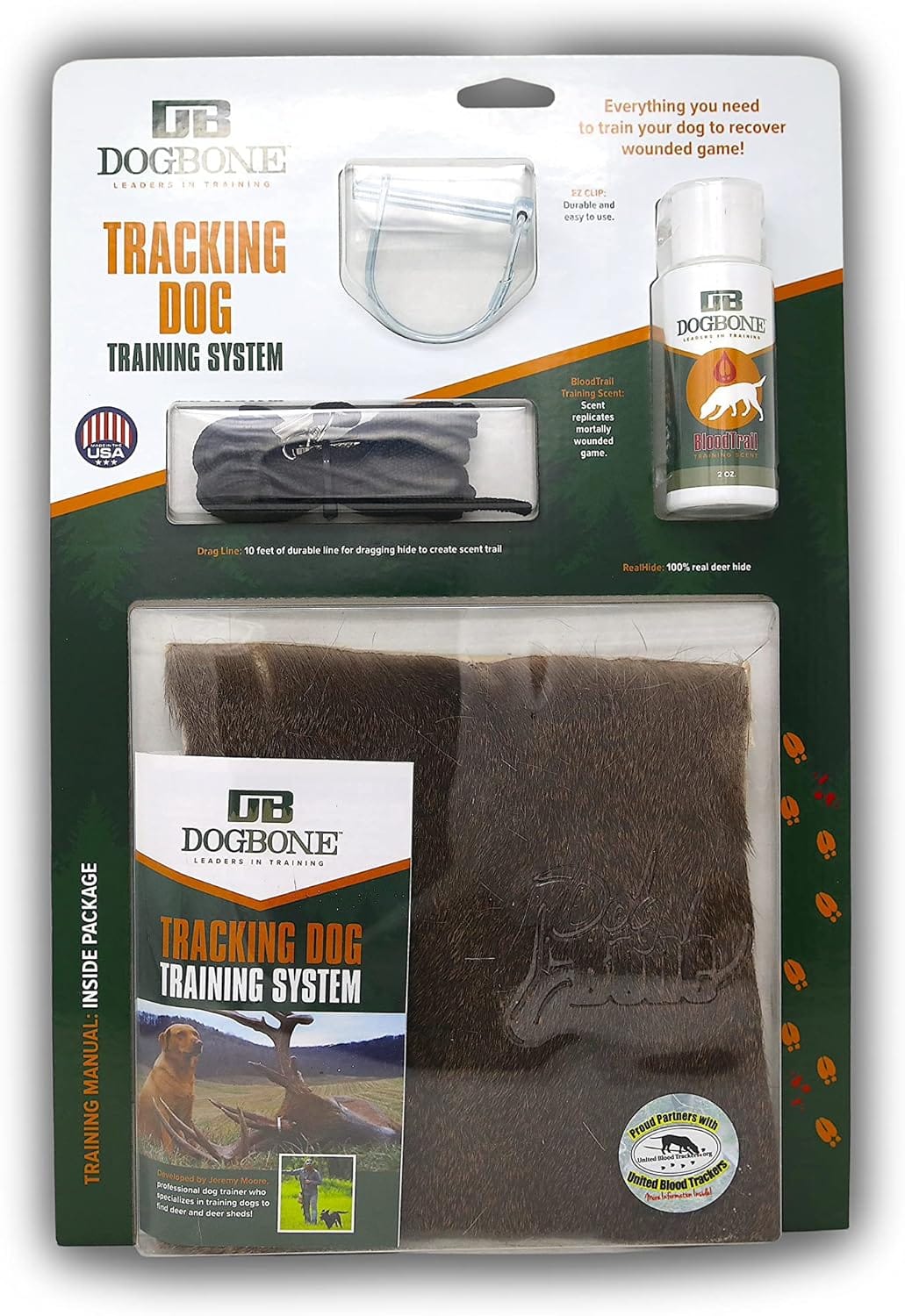
Specialized deer scent products are available, often in the form of oils, drags, or sprays. These allow you to lay a controlled trail for your dog to follow.
- Scent Dabs: Apply a small amount of deer scent to a cotton ball or a piece of fabric. Hide this discreetly a short distance away and encourage your dog to find it.
- Scent Drag: For longer trails, use a scent drag (a piece of fabric infused with deer scent) to create a path for your dog to follow. Start with short, simple drags and gradually increase the length and complexity.
Importance of Consistency
Consistency is paramount in scent training. Use the same commands, the same scent articles, and maintain a regular training schedule. This helps your dog understand expectations and build confidence.
Advanced Tracking Techniques
As your dog progresses, you can introduce more advanced techniques to refine their tracking skills. This phase often involves longer trails, varied terrain, and the introduction of distractions.
Laying Longer Trails
Gradually increase the length of the scent trail. This requires patience and a methodical approach. Ensure the trail has a clear beginning and end, and avoid double-backing or creating confusing scent paths.
Varied Terrain and Conditions
Dogs need to learn to track in various environments. Expose them to different surfaces like grass, leaves, mud, and even shallow water. Training in different weather conditions (mild rain, wind) also prepares them for real-world scenarios.
Introducing Distractions
In a real-world tracking situation, distractions are inevitable. Introduce mild distractions during training sessions to help your dog maintain focus on the scent. This could include other people walking at a distance or other non-threatening animals.
Essential Gear for Deer Tracking Dogs
Having the right equipment can make training and tracking more effective and safer for both you and your dog.
Tracking Harnesses
A specialized tracking harness is crucial. Unlike a regular walking collar, a tracking harness distributes pressure evenly across the dog’s body, allowing for comfortable and unrestricted movement while they are on a scent. This is vital for sustained tracking efforts.
Long Leash or Tracking Line
A long leash (typically 30-50 feet) made of lightweight but strong material is essential for allowing your dog freedom to work the scent while remaining under your control. This controlled freedom is key to teaching them how to work independently yet respond to your cues. You can find excellent agility training equipment dogs that can also be adapted for tracking purposes, focusing on freedom of movement.
Appropriate Footwear for Handlers
While not directly for the dog, comfortable and durable footwear for you is essential. You’ll be covering a lot of ground, often in rugged terrain.
Health and Safety Considerations
The well-being of your dog should always be the top priority.
Hydration and Breaks
Ensure your dog has access to fresh water, especially during longer training sessions or in warm weather. Watch for signs of fatigue and provide regular breaks. Overexertion can be dangerous.
Checking for Injuries
After each training session, thoroughly check your dog for any cuts, abrasions, or ticks. Pay close attention to their paws, which are most exposed to the elements.
Environmental Hazards
Be aware of potential hazards in the training environment, such as poisonous plants, sharp objects, or difficult water crossings. Always prioritize your dog’s safety.
Troubleshooting Common Tracking Issues
Even with the best training, you might encounter challenges. Here’s how to address some common problems.
The Dog Loses the Scent
If your dog consistently loses the scent, it could be due to several factors:
- Trail Interruption: The scent trail might have been naturally interrupted (e.g., by water, a road crossing).
- Over-Excitement: The dog might be too excited and not focusing properly.
- Insufficient Scent: The laid trail might have been too weak or too old.
Solution: Go back to basics. Lay shorter, stronger trails in a controlled environment. Reinforce the “find it” command and reward heavily for successful tracks. Practicing how to train a dog to track deer in different scenarios will build their resilience.
Dog is Too Distracted
If your dog is easily distracted, it’s a sign that they aren’t fully engaged with the task.
Solution: Increase the value of the reward. Make finding the scent far more exciting and rewarding than any distraction. Practice in progressively more distracting environments, but always ensure they can succeed. For those in specific regions, understanding homestead fl dog training approaches can offer insights into managing distractions in varied climates.
Lack of Drive or Motivation
Some dogs may show a lack of enthusiasm for tracking.
Solution: Ensure the training is fun! Use high-value treats or a favorite toy as a reward. Positive reinforcement is key. You might also explore dog training you tube channels for motivational techniques and engaging training ideas.
The Joy of Tracking Together
Training your dog to track deer is more than just teaching a skill; it’s about fostering a partnership built on trust, communication, and mutual understanding. The dedication you invest will be repaid manifold in the confident stride of your dog on a scent, the gleam in their eye as they work, and the unbreakable bond you forge along the trail. Remember that consistent practice, positive reinforcement, and a deep understanding of your dog’s natural abilities are the cornerstones of success in mastering deer tracking.
