
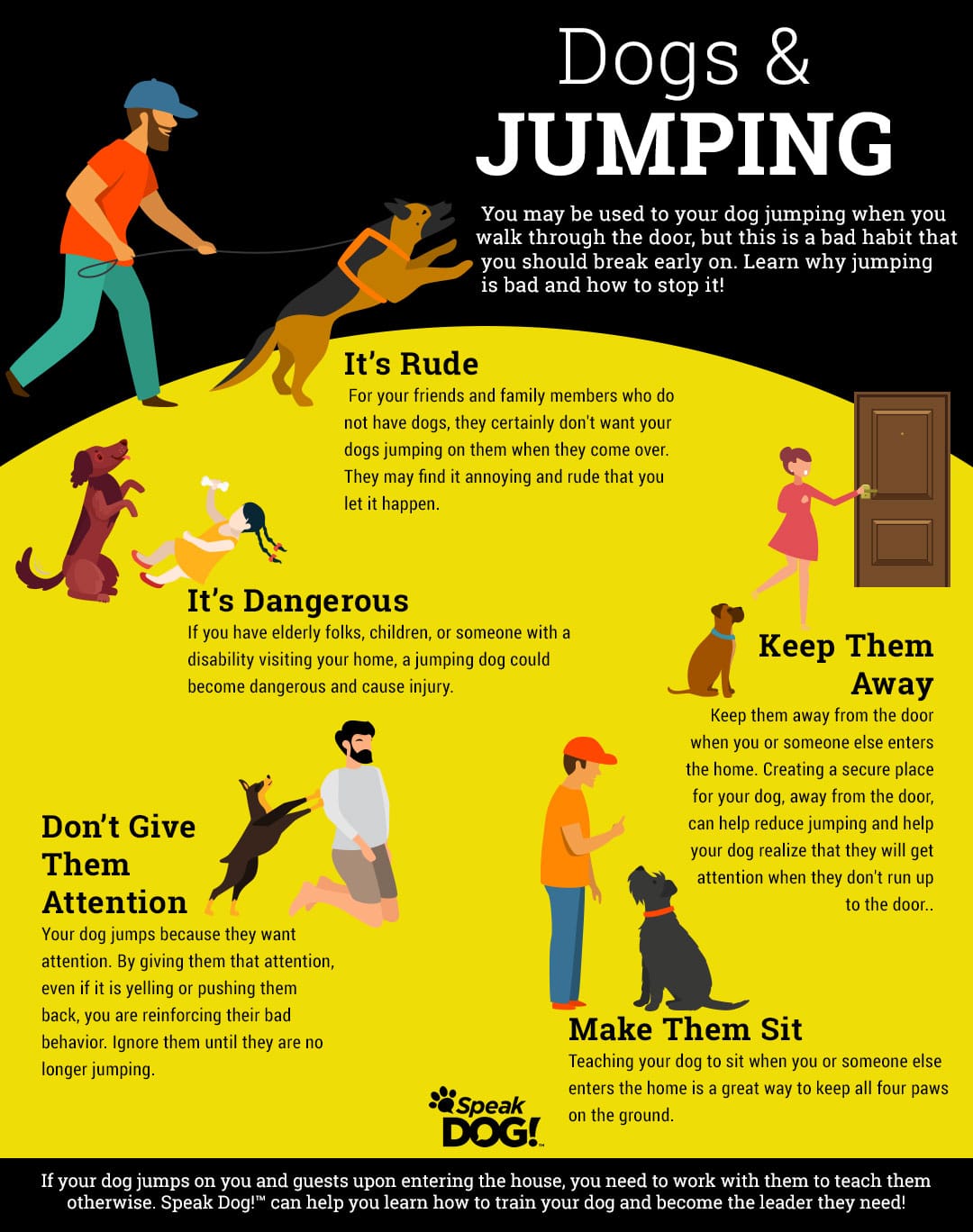
There’s nothing quite like the enthusiastic greeting of a dog when you walk through the door. The wagging tail, the happy yips, and the sheer, unadulterated joy are infectious. But when that greeting includes paws-on-shoulders, muddy prints on your clean clothes, or even a scratch, the charm can wear off quickly. Knowing How To Train Dogs To Stop Jumping is one of the most common challenges pet parents face. It’s a natural behavior, but one that needs redirection for the safety and comfort of everyone, including your furry friend. This isn’t about scolding or punishment; it’s about teaching your dog a more appropriate, and equally enthusiastic, way to say hello.
Jumping is often a sign of excitement and a desire for attention. As puppies, they jump to greet their mothers. As they grow, they continue this behavior with us, their human family. The problem is, we often unintentionally reinforce it. A pat on the head, a laugh, or even pushing them down can be interpreted as the attention they were seeking. The key to success is consistency and teaching an alternative behavior that earns them the reward they crave: your affection. This guide will walk you through the psychology behind jumping and provide clear, positive methods to keep four paws on the floor. For those dealing with boundless energy, understanding the principles of training a hyper dog can provide a helpful foundation for this specific issue.
Understanding Why Your Dog Jumps
Before you can effectively address the behavior, it’s crucial to understand the motivation behind it. Dogs rarely do things without a reason, and jumping is a deeply ingrained form of communication. By getting to the root of the cause, you can tailor your training approach for faster, more lasting results.
A Carryover from Puppyhood
As tiny puppies, jumping up was a vital way to reach their mother’s face to greet her and lick her mouth, which would often stimulate her to regurgitate food for them. It’s an instinctual behavior associated with greeting and getting attention. When they bring this behavior into their human pack, they are simply doing what comes naturally to say, “Hello! I’m here! Look at me!”
Excitement and Pure Joy
The most common reason for jumping is pure, uncontainable excitement. Seeing you, a beloved family member, or a new guest is a huge event in your dog’s day. Their energy levels spike, and jumping is a physical outlet for that joy. They literally can’t keep their paws on the ground.
Seeking Attention
Dogs are social creatures that thrive on interaction. If a dog learns that jumping gets a reaction—any reaction—they will continue to do it. Pushing them off, saying “No,” or making eye contact can all be interpreted as successful attempts to get your attention. In their world, negative attention is often better than no attention at all. This is a critical concept in training; we must teach them that politeness, not pushiness, is what gets them noticed.
The Core Strategy: Replacing the Jump
The foundation of modern, effective dog training is positive reinforcement. Instead of punishing the unwanted behavior (jumping), you teach and reward a preferred, incompatible behavior. You can’t sit and jump at the same time. This is the golden rule for training your dog to greet people politely.
Step 1: Manage the Environment
Prevention is your best friend during the training process. The more your dog practices jumping, the more ingrained the habit becomes.
- Use a Leash: When you know guests are coming over, or during times of high excitement, keep your dog on a leash, even indoors. This gives you control and allows you to prevent the jump before it happens.
- Create Space: If your dog jumps when you come home, try to enter calmly. If they have a crate or a designated “place,” have them go there before you fully engage.
- Use Gates: Baby gates can be invaluable for managing greetings, allowing your dog to see guests without being able to physically jump on them until they have calmed down.
Step 2: Teach an Alternative Behavior
The “Sit” command is your most powerful tool. A dog who is sitting cannot be jumping. The goal is to make sitting the default greeting behavior.
- Practice “Sit” Religiously: Work on the “Sit” command in various calm environments first. Make it a fun and rewarding game.
- Introduce Mild Distractions: Once “Sit” is solid, practice it with mild distractions, like someone walking by at a distance.
- The Greeting Game: Ask a friend or family member to help. Have them approach. The moment before your dog would normally jump, ask for a “Sit.” If your dog sits, the person can give a treat and gentle praise. If the dog gets up to jump, the person should immediately and silently turn and walk away.
This process teaches a clear lesson: “Sitting gets me attention and rewards. Jumping makes the fun person go away.” The consistency of this approach is key. A similar principle of rewarding a calm state can be applied to other areas, such as teaching your dog how to stop dogs jumping on couch, where you reward them for staying on their own bed.
Step 3: The Power of Ignoring
This can be the hardest part for humans, but it’s incredibly effective. When your dog jumps on you, you must become utterly boring.
- Turn Your Back: Without a word, turn your back on your dog.
- Fold Your Arms: This prevents you from accidentally touching or pushing them.
- Look Away: Avoid all eye contact.
- Be Silent: Do not say “No,” “Down,” or their name. Remember, any verbal engagement can be a reward.
The instant all four of their paws are back on the floor, turn back around and calmly praise them or ask for a sit. If they jump again, repeat the process. They will quickly learn that jumping makes you “disappear” and keeping their feet on the ground makes you “reappear.”
Training for Specific Jumping Scenarios
While the core principles remain the same, you may need to adapt your strategy for different situations. Every interaction is a training opportunity.
When You Come Home
Your arrival is peak excitement time.
- The Calm Entry: Before you even open the door, take a deep breath. Enter calmly and quietly. Avoid high-pitched, exciting greetings.
- The 5-Minute Rule: Ignore your dog for the first few minutes you are home. Put your bags down, take off your coat. Once they have settled, calmly call them over for a pet, rewarding the calm behavior.
When Guests Arrive
This is a major challenge because you can’t always control your guests’ reactions.
- Coach Your Guests: Before they enter, explain the training plan. Tell them, “We’re teaching Fido not to jump. Please ignore him completely if he jumps on you. Once he’s calm, feel free to give him some love.”
- Use the Leash: As mentioned, having your dog on a leash gives you immediate control to prevent the jump from ever connecting with your guest. You can step on the leash to keep it short, making jumping physically impossible.
Jumping on Counters and Furniture
This is less about greeting and more about seeking food or a comfy spot. The principles of management and teaching alternatives still apply. Keep counters clear of tempting food, and teach a solid “Off” or “Leave It” command. For more specific techniques, you can explore guides on how to train dogs not to jump in various contexts.
What Not to Do: Common Training Mistakes
How you react is just as important as the training itself. Avoid these common mistakes that can actually make the jumping worse.
“Many owners unknowingly reinforce the very behavior they want to stop,” notes Dr. Eleanor Vance, a certified animal behaviorist. “Reacting with a knee-jerk push or a loud ‘No!’ is still a form of engagement. From the dog’s perspective, the jump worked—it got a physical and verbal response. The key is to make the jumping behavior completely unproductive for the dog.”
- Don’t Use Physical Punishment: Never knee your dog in the chest, grab their paws, or use any form of physical correction. This can create fear, anxiety, and may even lead to defensive aggression. It damages your bond and teaches your dog that human hands can be scary.
- Don’t Yell: Shouting or scolding adds to the excitement and energy of the situation. To your dog, you’re just becoming a loud, exciting playmate.
- Don’t Be Inconsistent: If one person lets the dog jump and another doesn’t, the dog will be confused. Everyone in the household, and even regular visitors, must be on the same page for the training to be successful.
Using tools consistently, like a clicker, can also help mark the exact moment of desired behavior. If you’re new to this method, learning how to train a dog with a clicker can significantly speed up the learning process for your pet.
Frequently Asked Questions (FAQ)
How long does it take to train a dog to stop jumping?
This varies greatly depending on the dog’s age, temperament, and how long they’ve been practicing the behavior. With consistent training from everyone in the household, you can often see significant improvement in a few weeks.
Can you train an older dog to stop jumping?
Absolutely! The old saying “you can’t teach an old dog new tricks” is completely false. While it might take a bit more patience if the habit is deeply ingrained, the methods are exactly the same and are very effective for dogs of all ages.
What if my dog only jumps on certain people?
This usually happens because those specific people have reacted in a way that reinforces the jumping, perhaps by laughing or giving the dog excited pets. The key is to get that person on board with the training plan of ignoring the jumps and rewarding the calm behavior.
Should I use a training collar to stop jumping?
Most modern, certified trainers advise against using aversive tools like prong or shock collars. These methods work by causing pain or discomfort and can lead to fear and anxiety, potentially creating new, more severe behavior problems. Positive reinforcement is a safer and more effective long-term solution.
My dog is small, is it really a problem if they jump?
While a jumping Chihuahua is less likely to cause injury than a jumping Great Dane, it’s still a matter of politeness and good manners. It can be frightening for small children or people who are nervous around dogs, and it can still get their clothes dirty. Teaching polite greetings is good practice for any dog, regardless of size.
A Lifetime of Polite Greetings
Teaching your dog to stop jumping is not about diminishing their spirit or excitement. It’s about channeling that wonderful energy into a more acceptable behavior that everyone can appreciate. By managing the environment, teaching an alternative “sit” for greetings, and ensuring everyone in your dog’s life is consistent, you can successfully change this behavior. The journey requires patience and a positive attitude, but the reward—a dog that can greet anyone, anywhere, with calm confidence—is well worth the effort. Ultimately, learning how to train dogs to stop jumping strengthens your communication and deepens the incredible bond you share.
